


‹
›
‹
›
Product Details
Products
Product Introduction
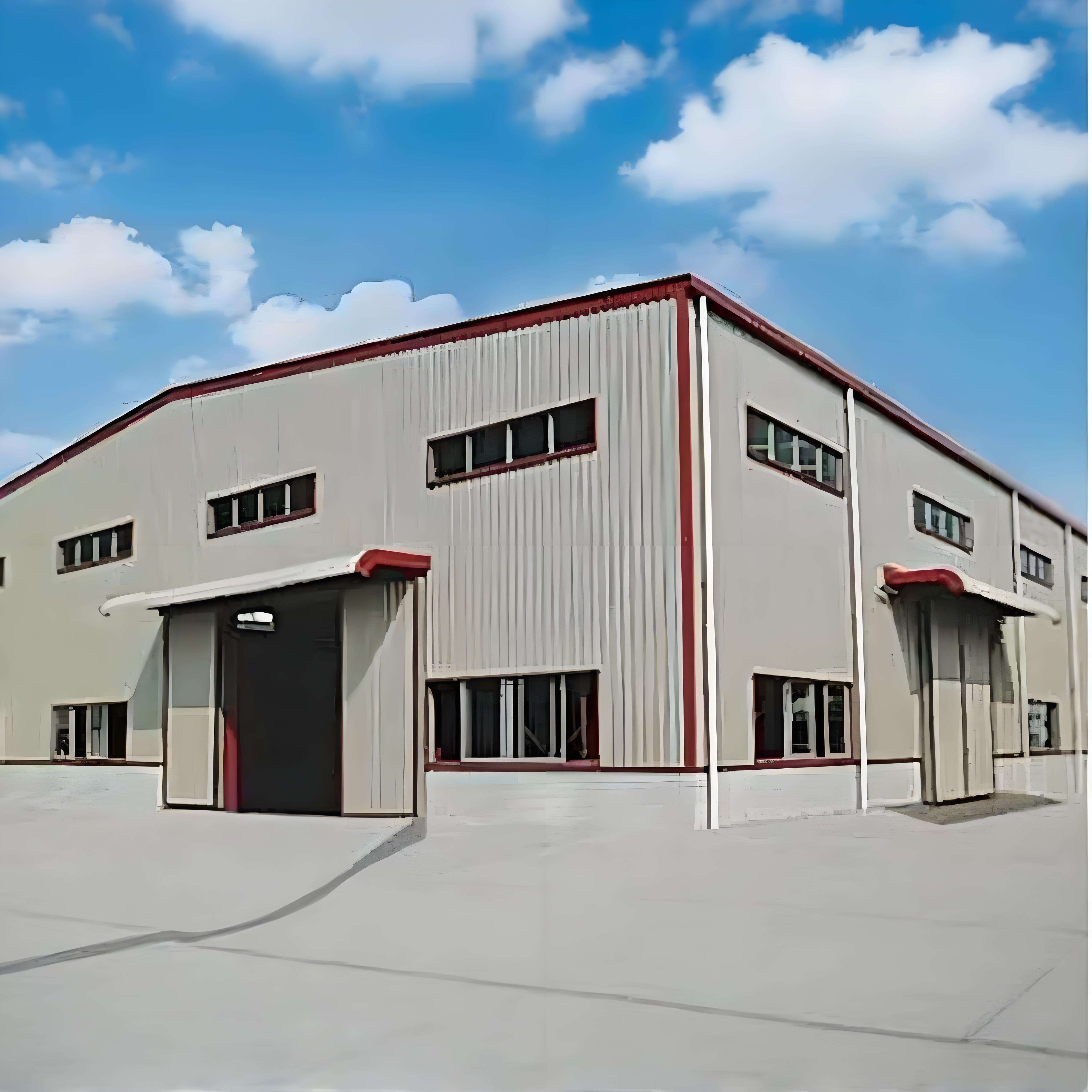
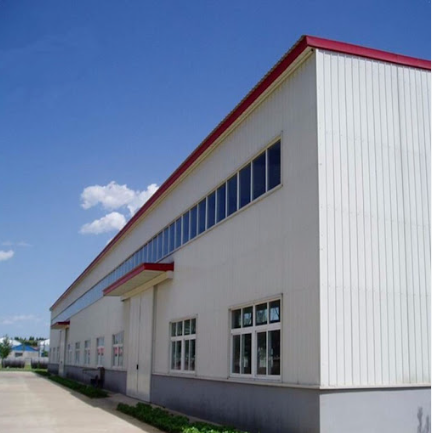
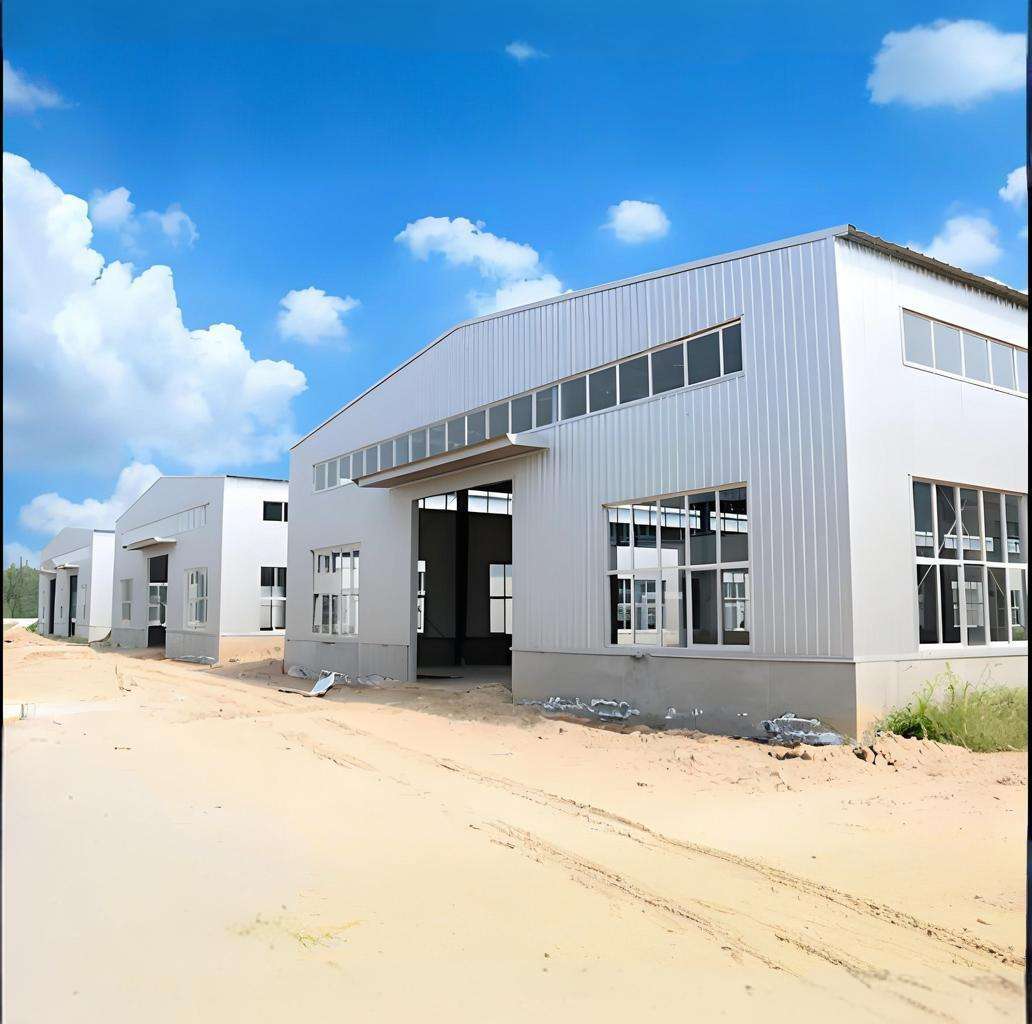
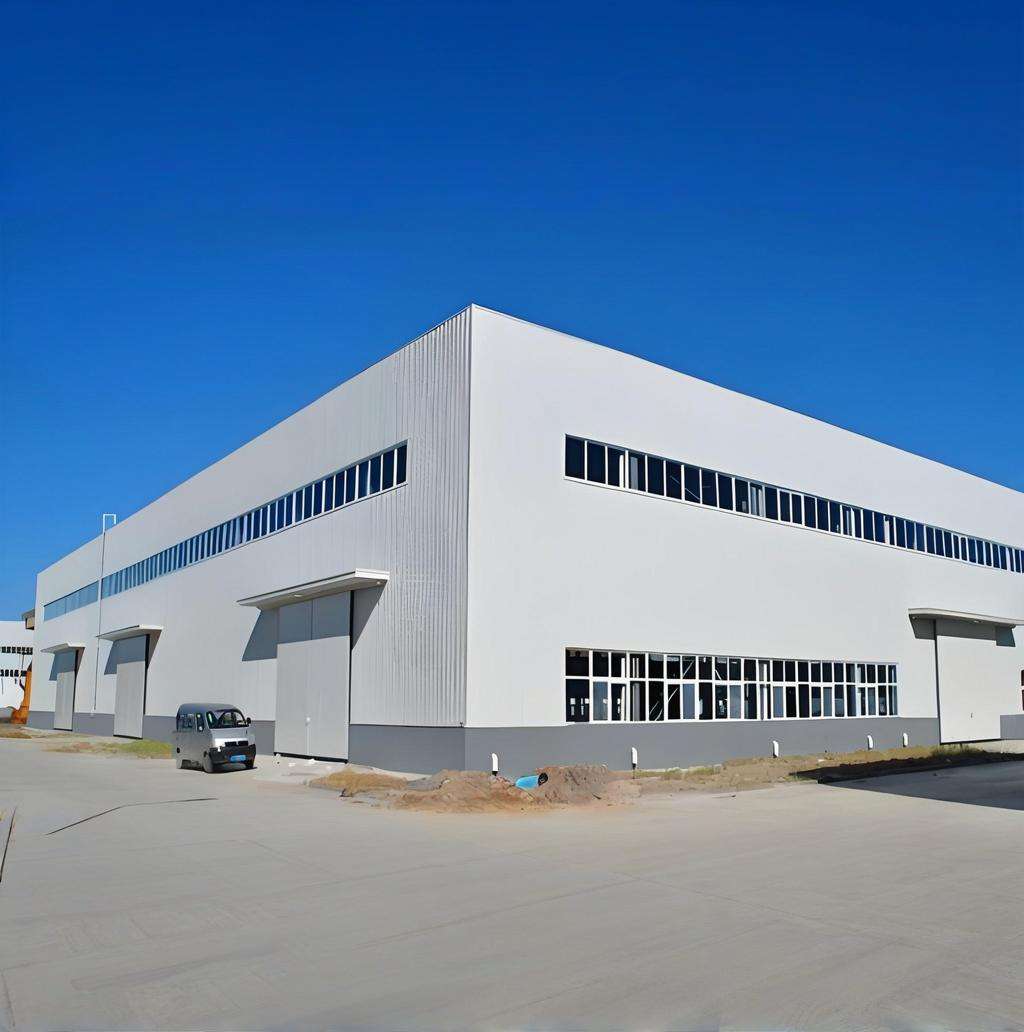
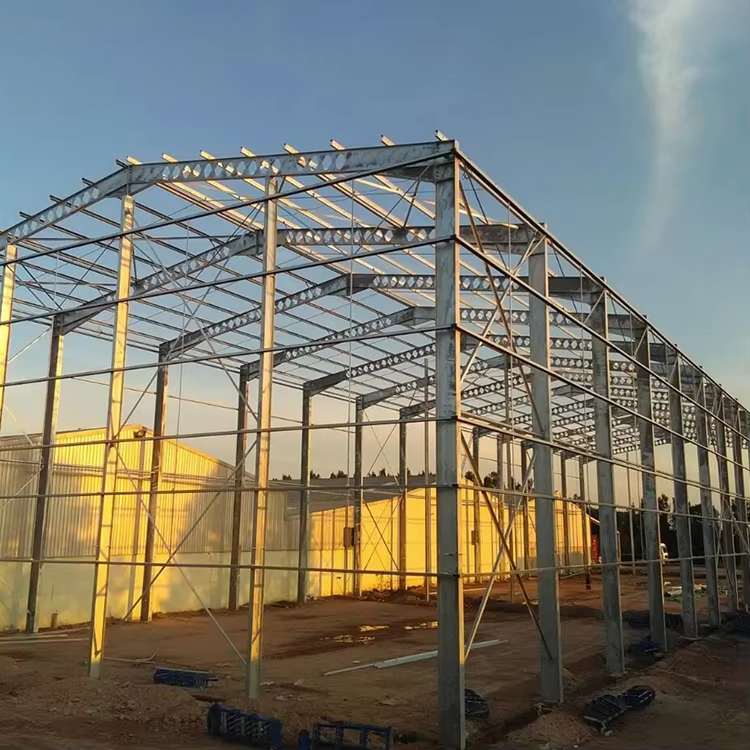
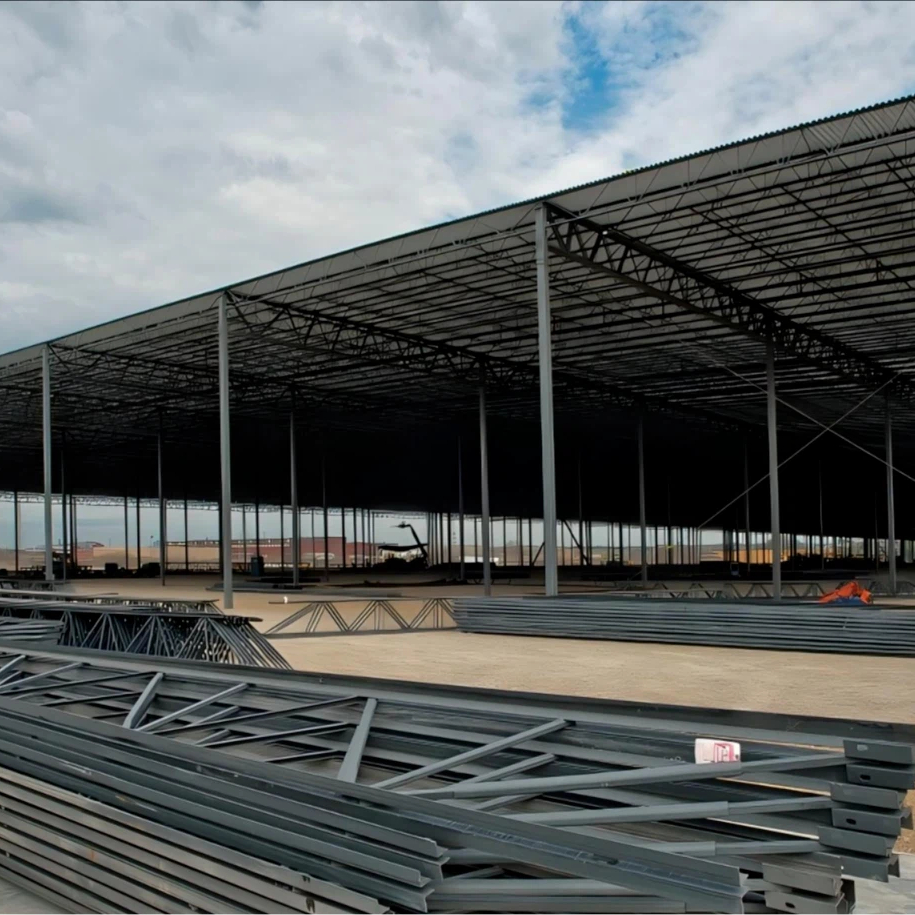
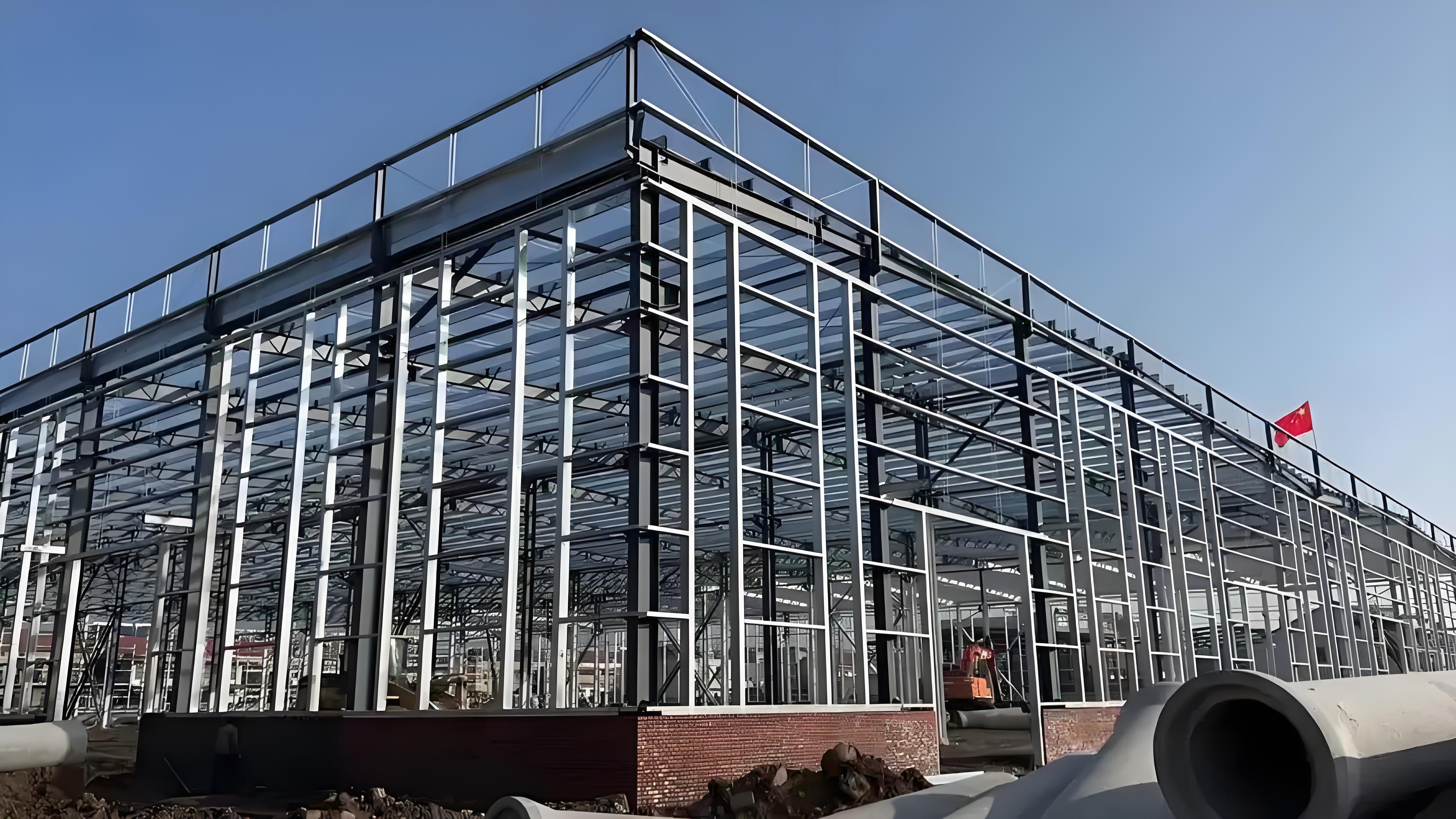
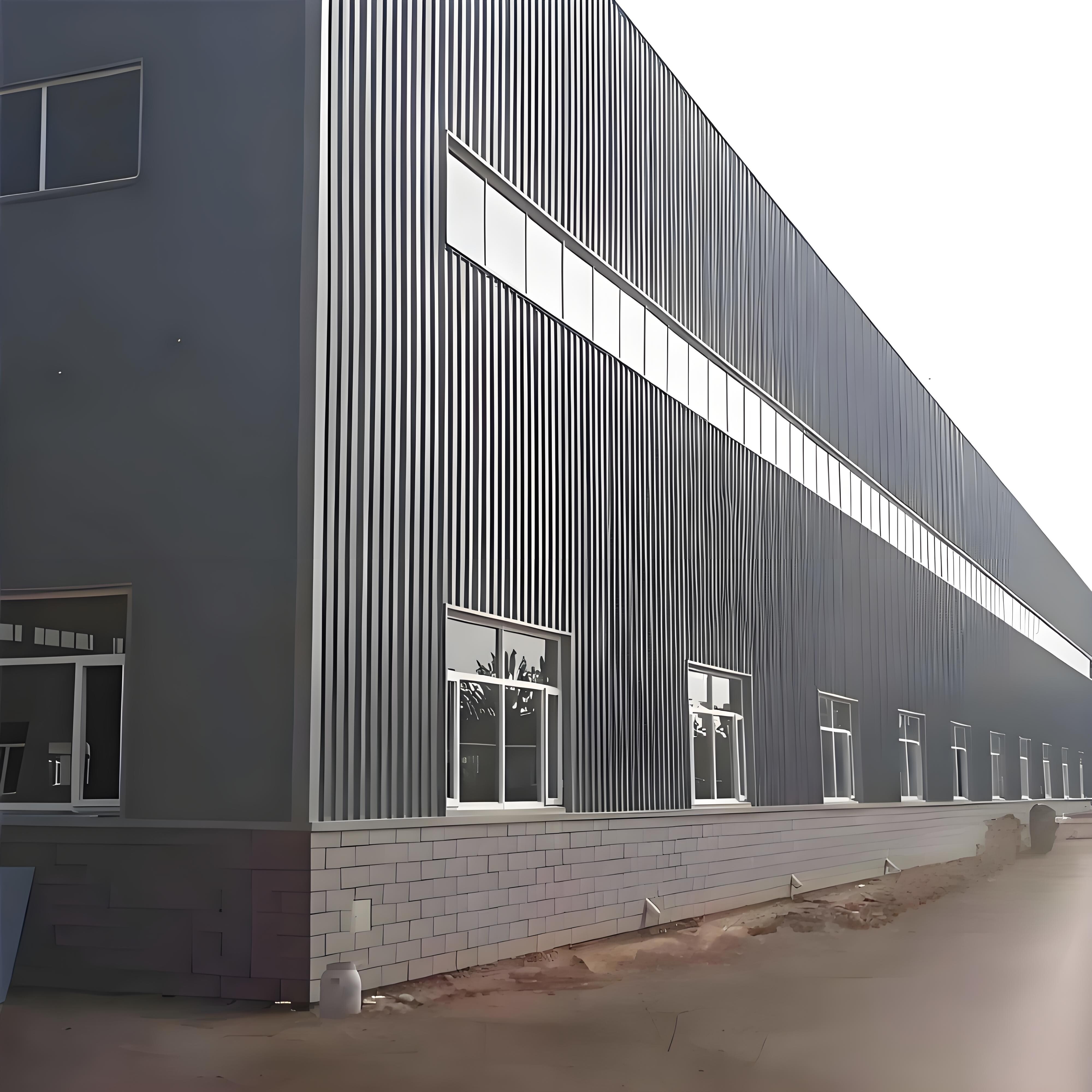
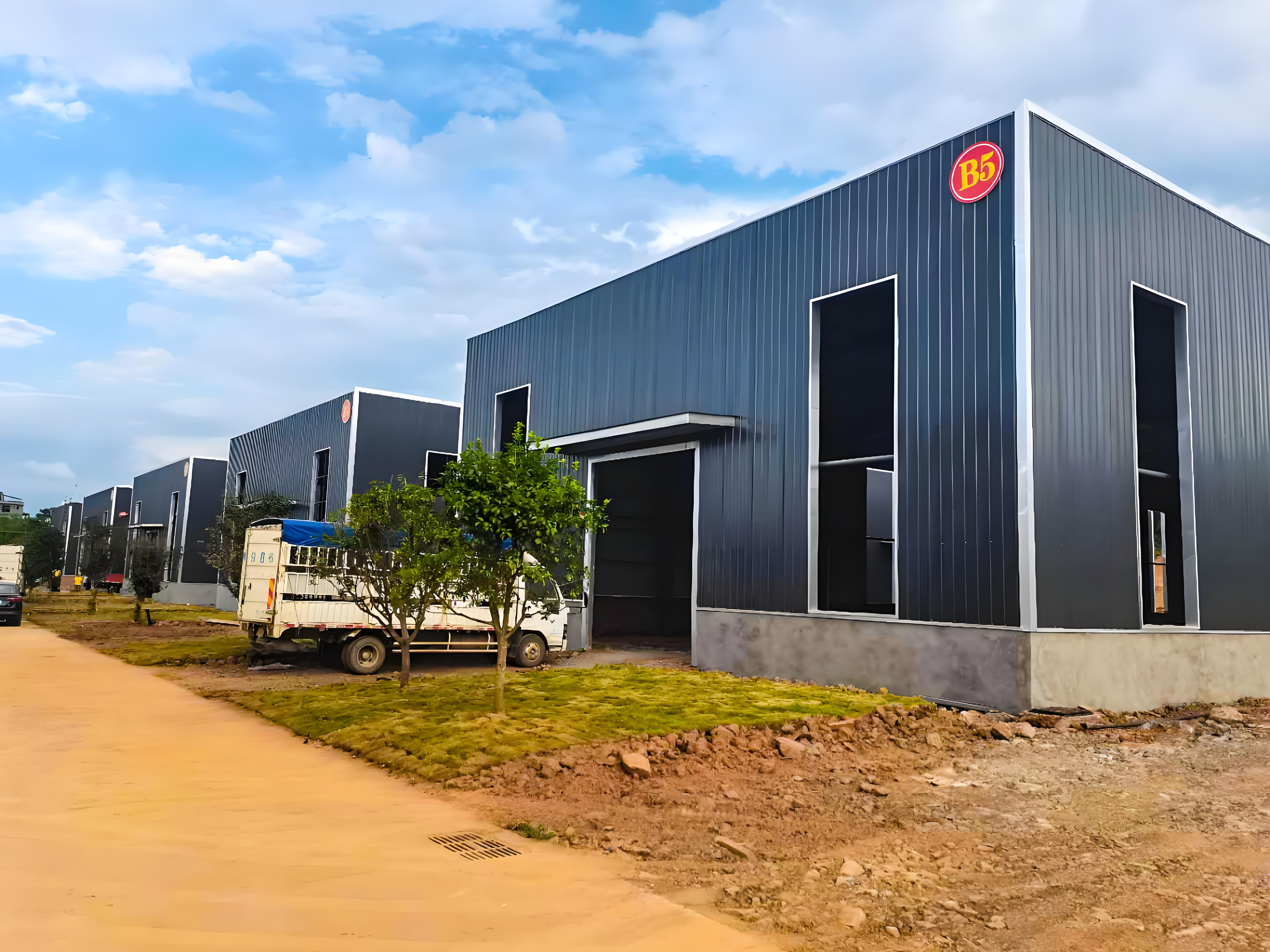
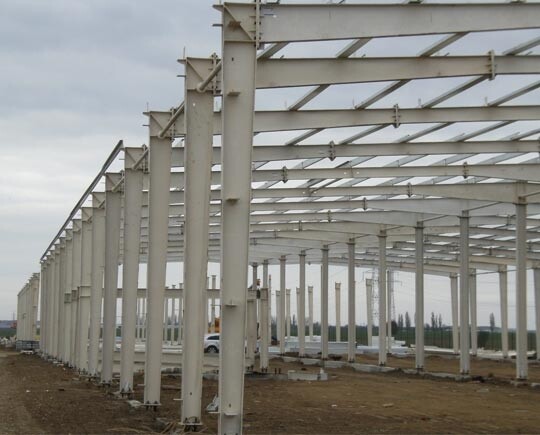
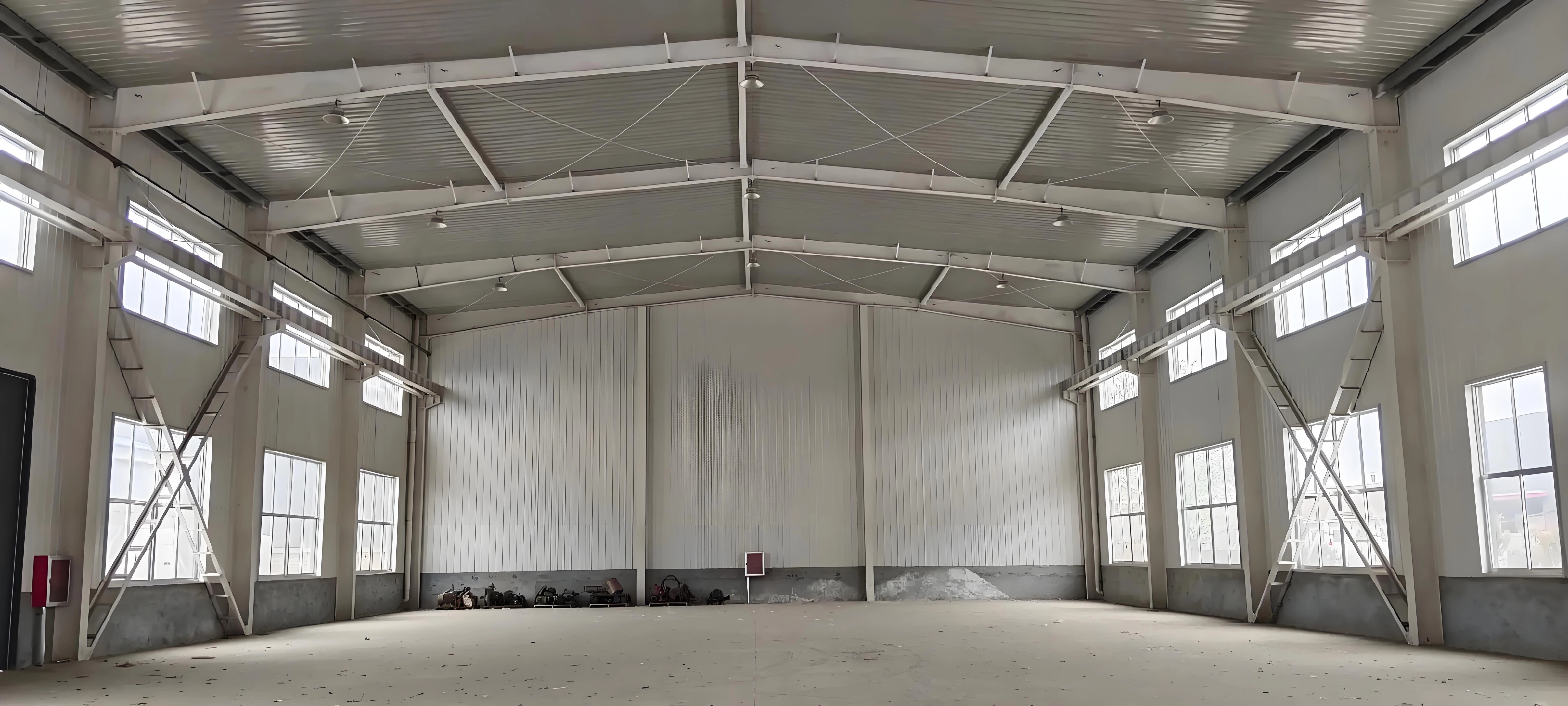
Our prefabricated steel structure warehouse and industrial workshop building is designed for factory buildings, logistics warehouses, production workshops, equipment storage, agricultural buildings, and light industrial facilities. Compared with traditional concrete construction, the steel structure system helps reduce on-site construction time, improve space utilization, and make later expansion more flexible.
We can help you complete the full process from project requirement confirmation, structural solution discussion, steel material selection, fabrication, surface treatment, quality inspection, export packing, shipping coordination, and installation guidance. The building size, span, height, roof and wall system, insulation, door layout, ventilation, crane beam, mezzanine platform, and anti-corrosion system can all be customized according to your project location and usage requirements.
Core Advantages
1. Fast Construction and Lower On-Site Workload
The main steel frame, purlins, bracing system, bolts, roof panels, wall panels, and accessories can be prefabricated before shipment. Most structural connections are completed by bolts on site, which reduces field welding and helps shorten the installation period.
This is suitable for overseas projects where labor cost, installation time, and site coordination need to be controlled carefully.
2. Large Span and Flexible Interior Space
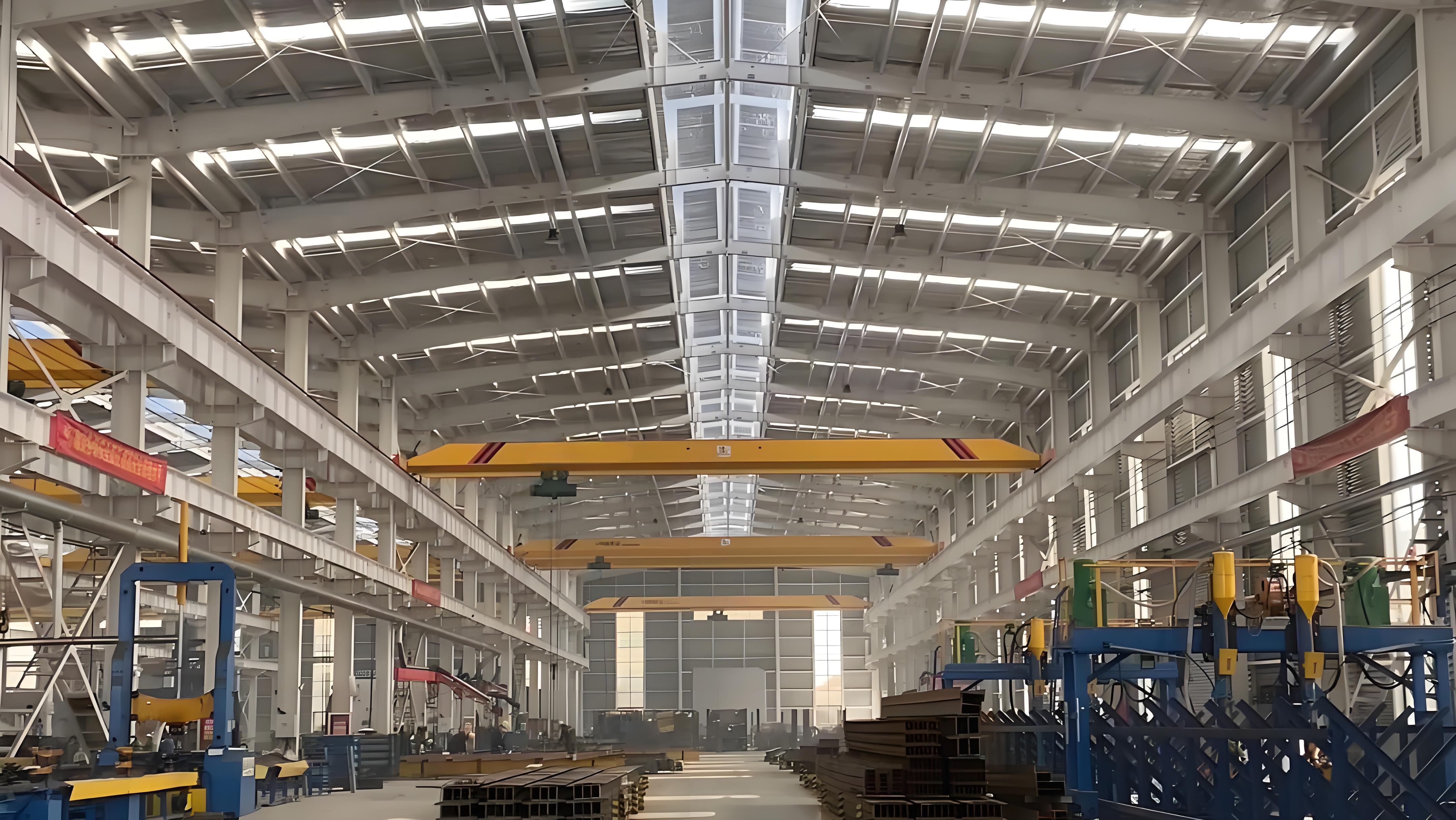
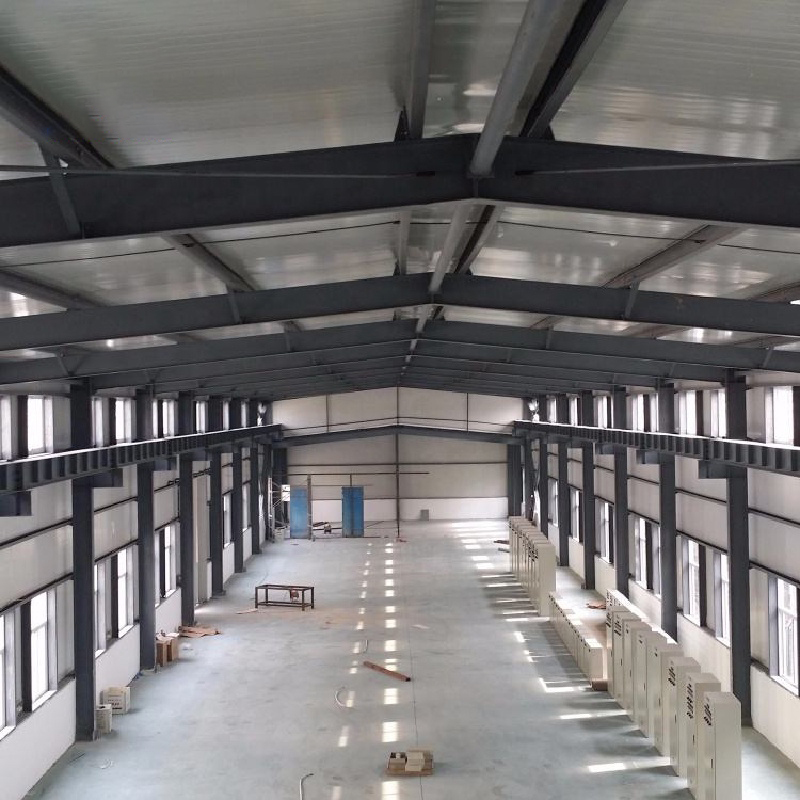
A portal frame steel structure can provide a large open-span space with fewer internal columns. This makes the building more practical for production lines, warehouse racks, trucks, forklifts, equipment movement, and future layout adjustment.
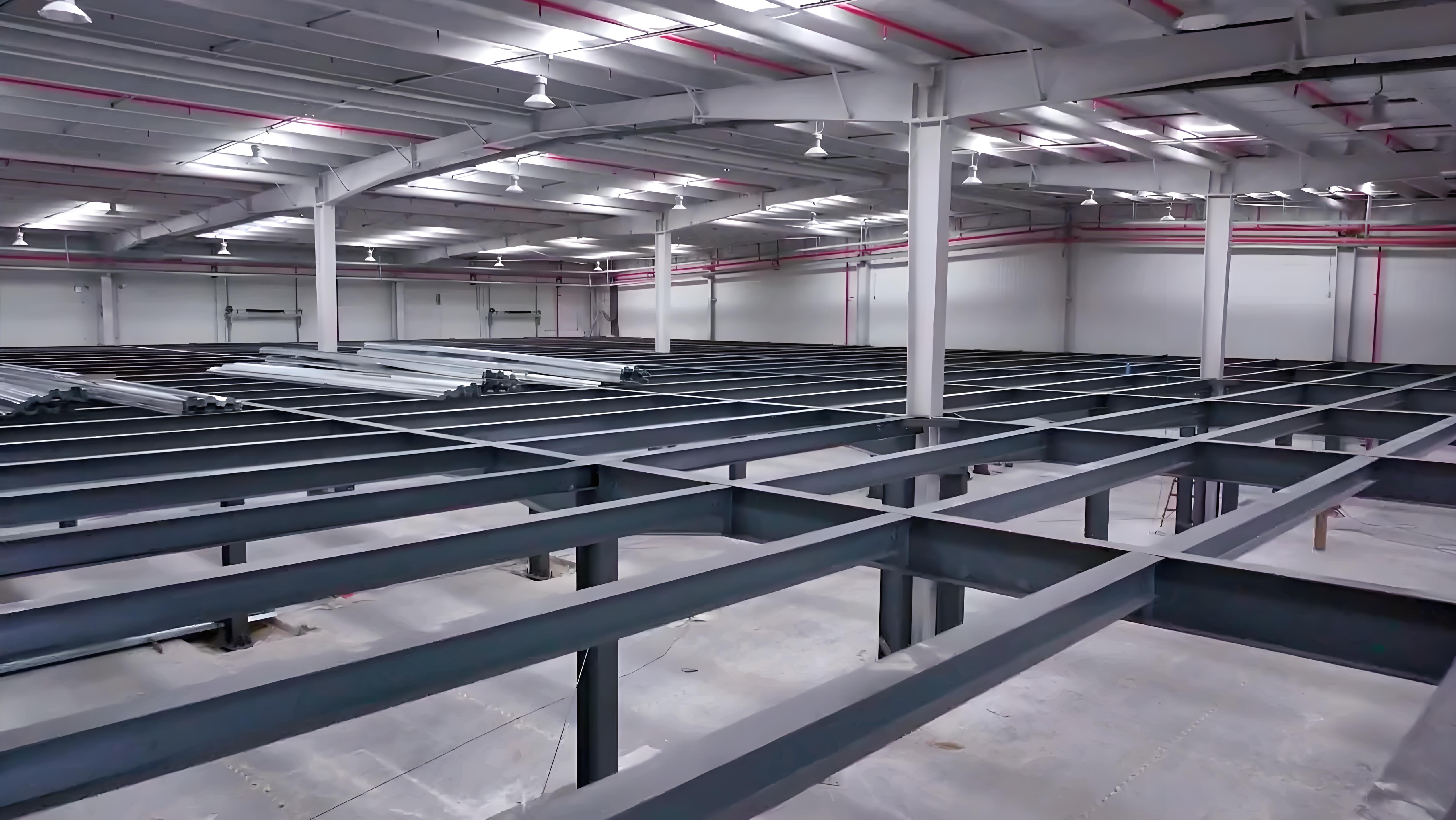
For industrial workshop use, we can adjust the steel column, roof beam, bracing, crane beam, and foundation anchor bolt layout according to the load condition.
3. Custom Design for Different Climate Conditions
The structure can be designed according to local wind load, snow load, seismic requirement, temperature condition, and corrosion environment. For coastal or humid areas, we can recommend hot-dip galvanizing or upgraded paint systems. For hot regions, insulated roof and wall panels can be selected to improve indoor comfort.
Before production, we usually confirm the building dimensions, use purpose, local climate data, required standards, roof and wall materials, door and window layout, insulation requirement, and destination port.
4. Factory Fabrication for More Stable Quality
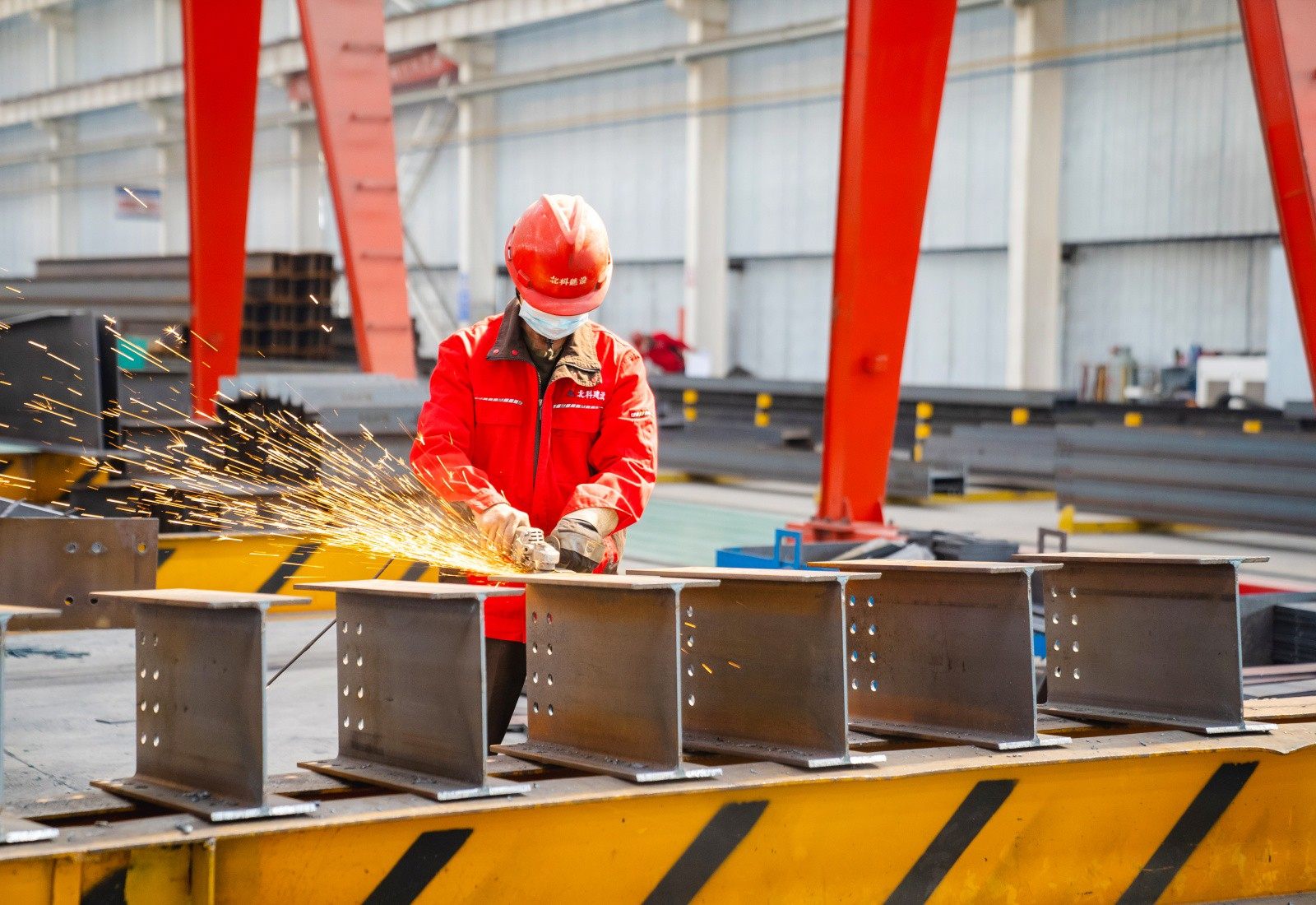
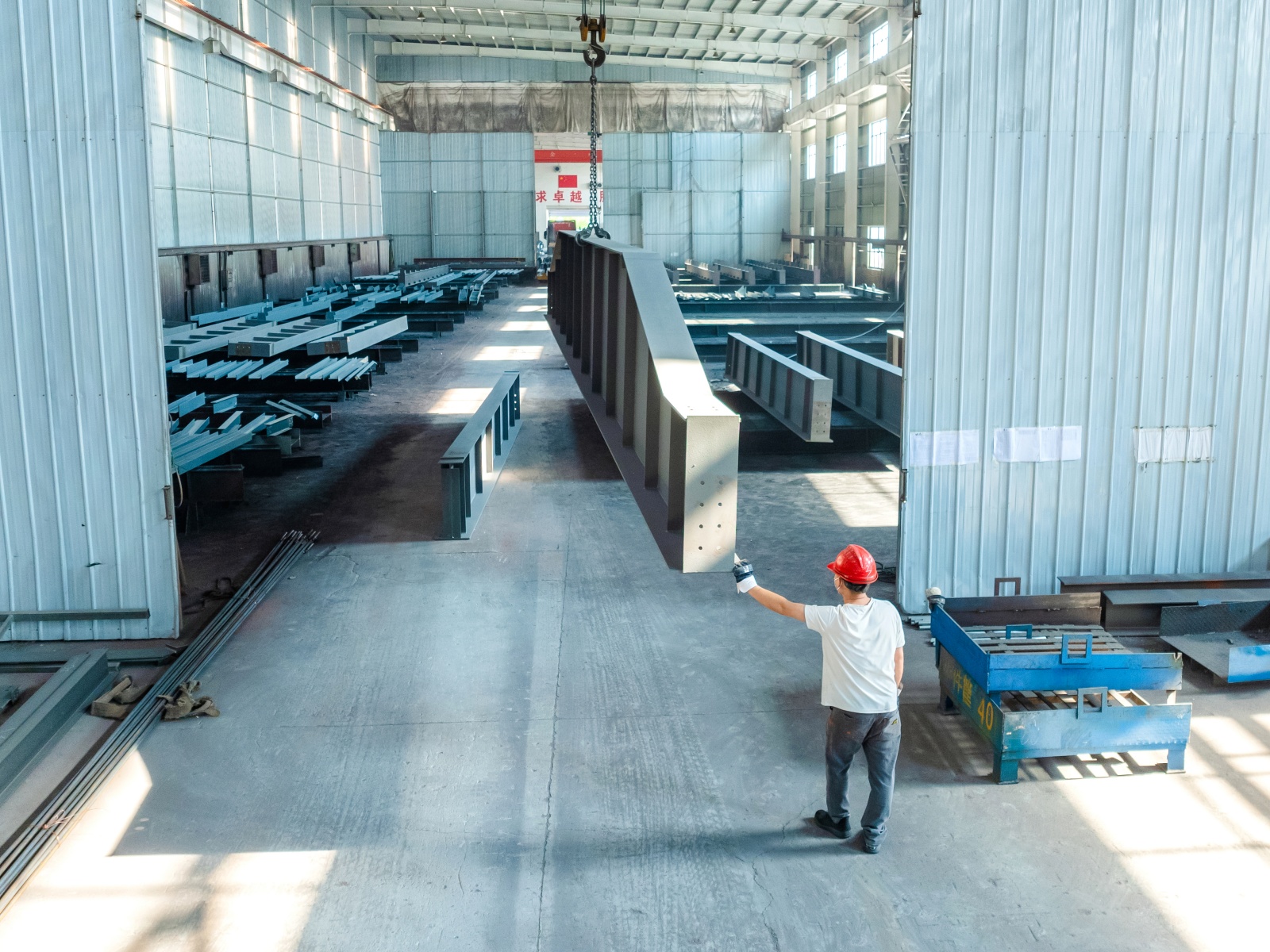
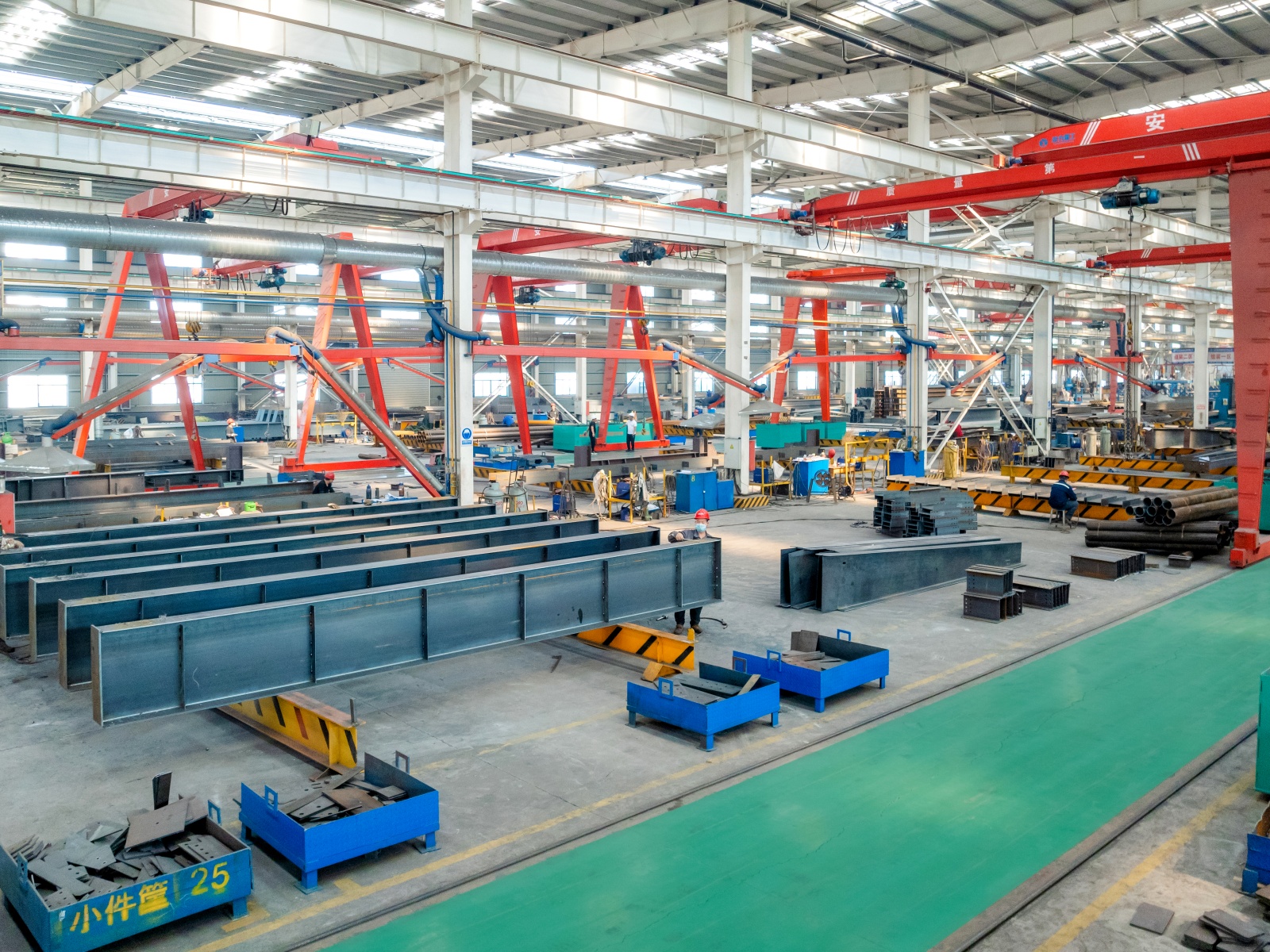
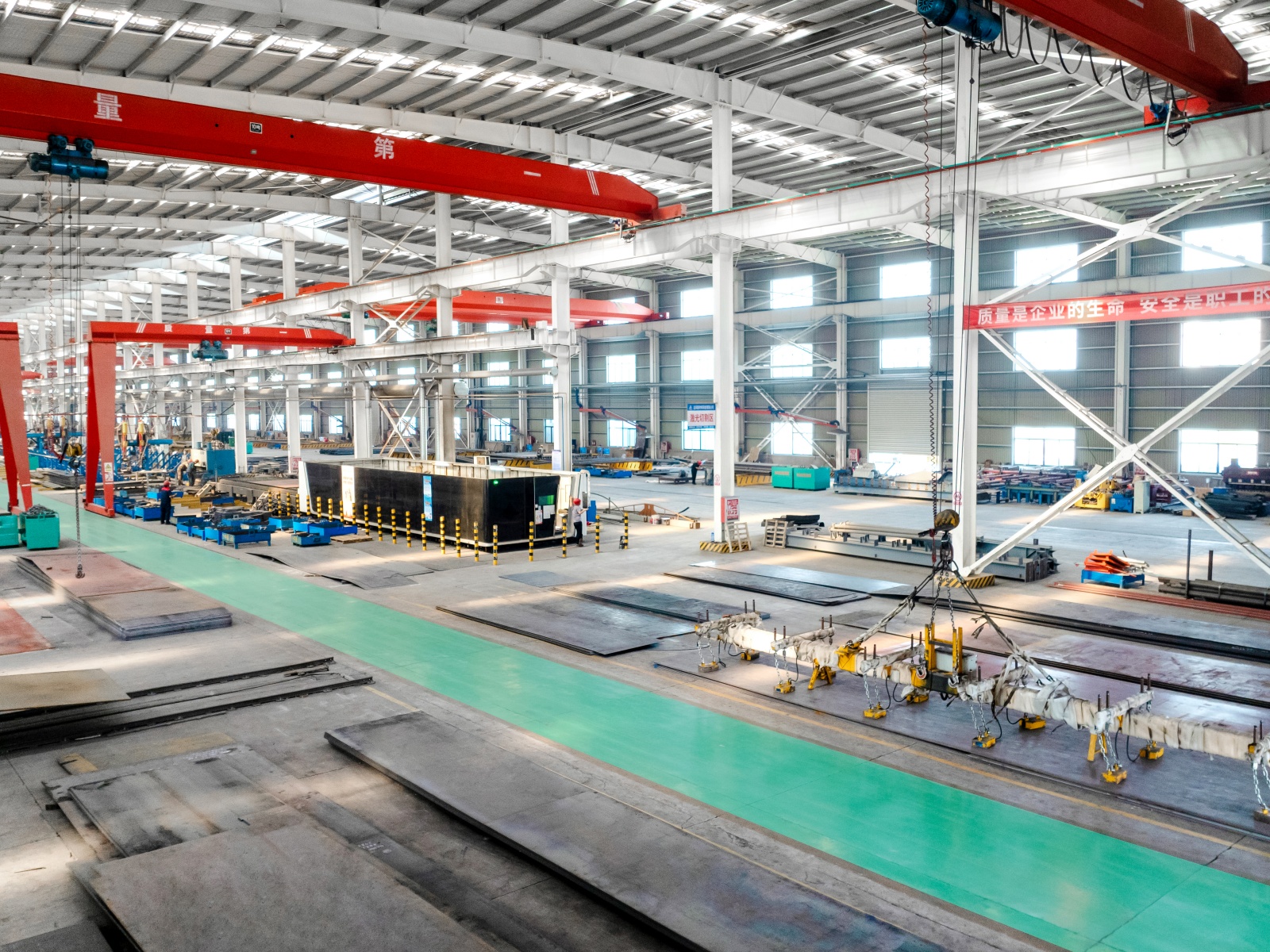
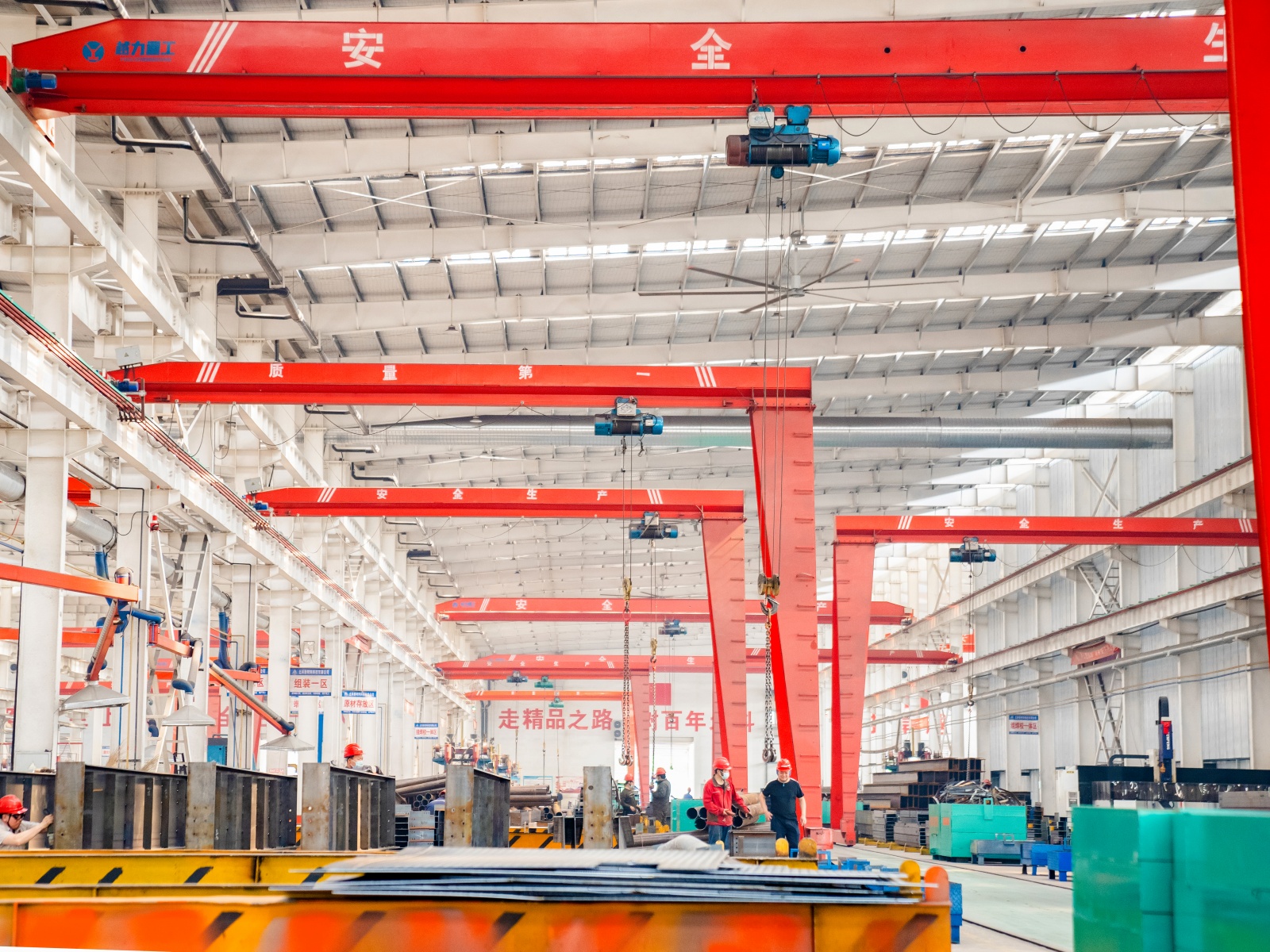
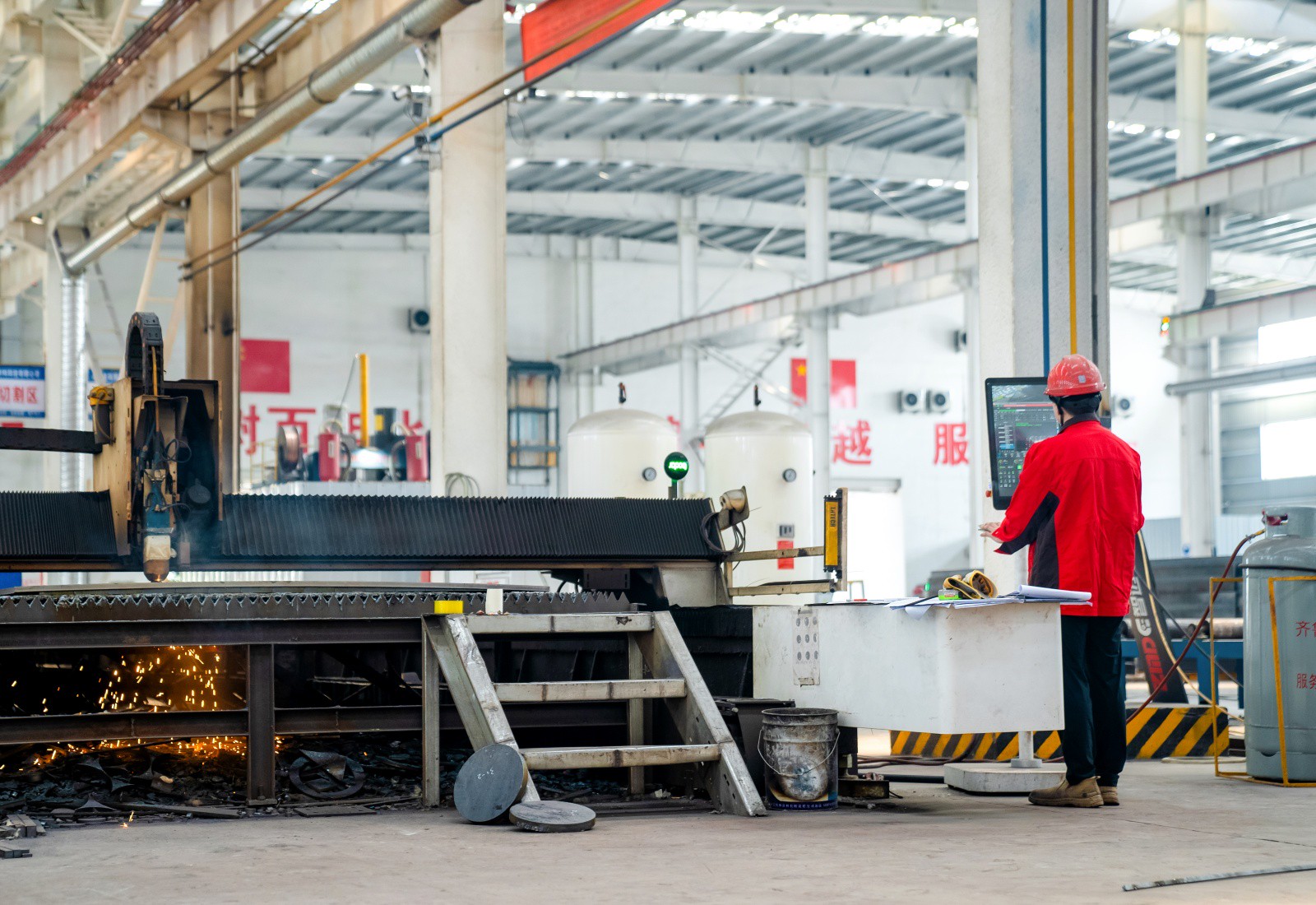
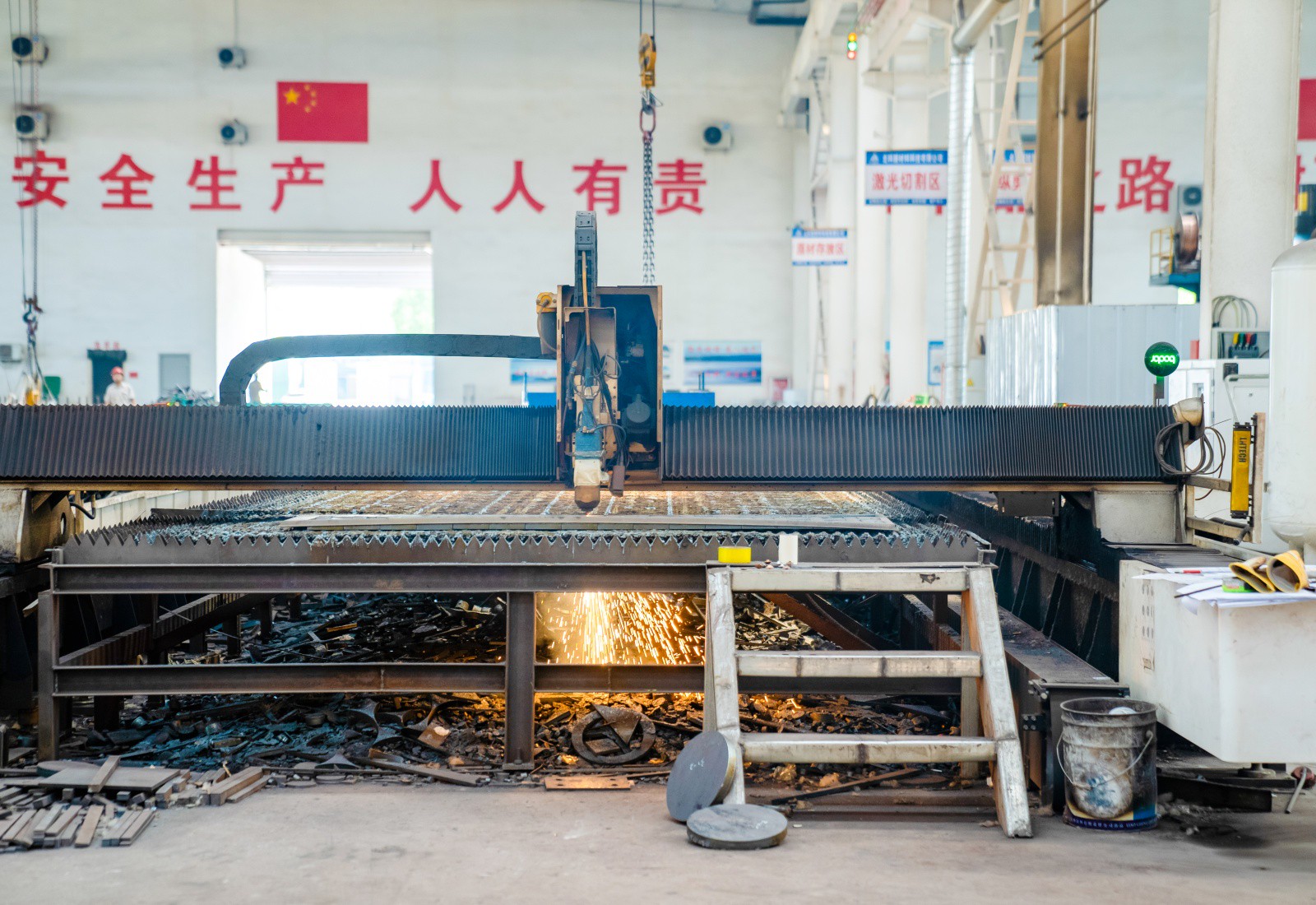
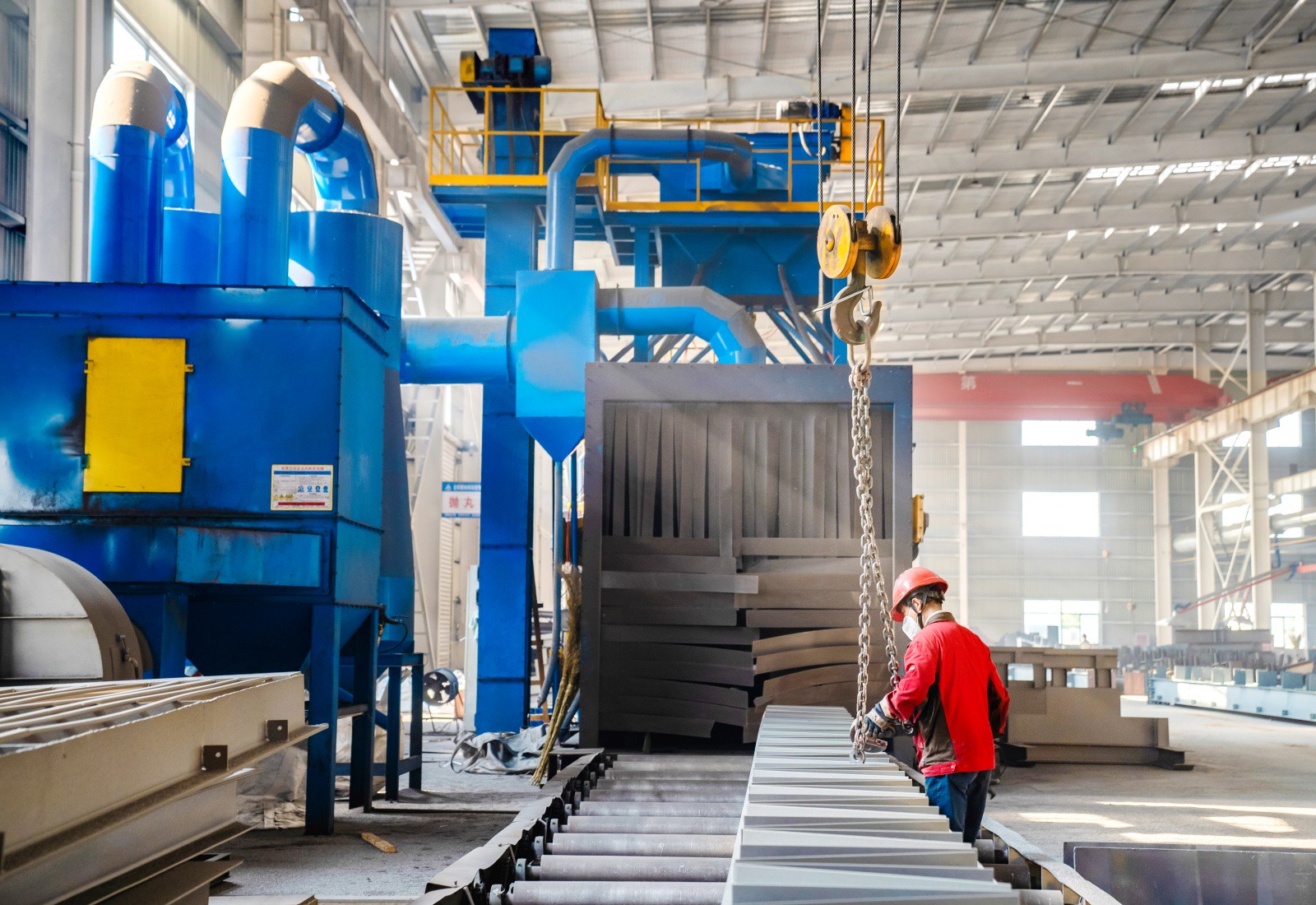
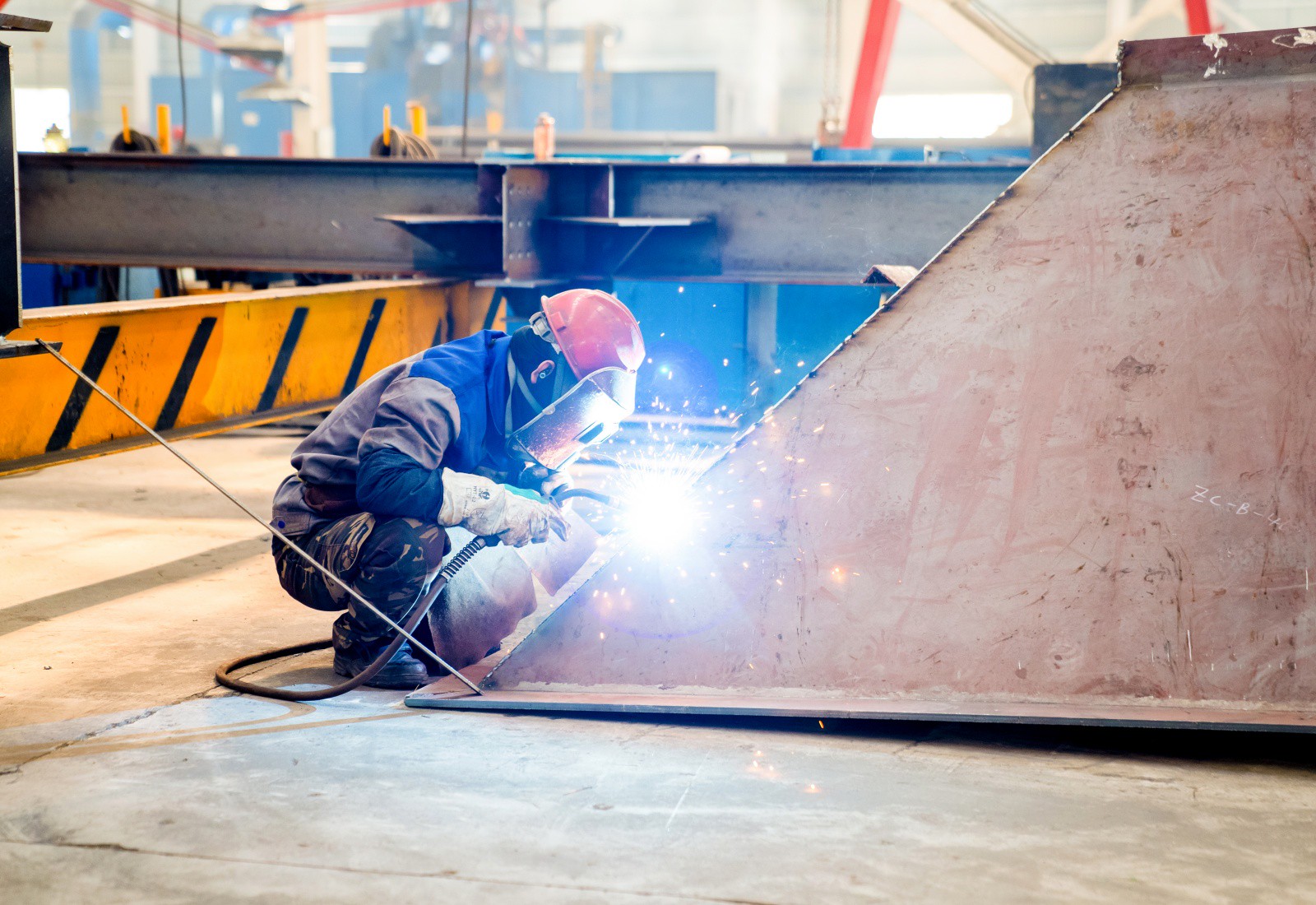
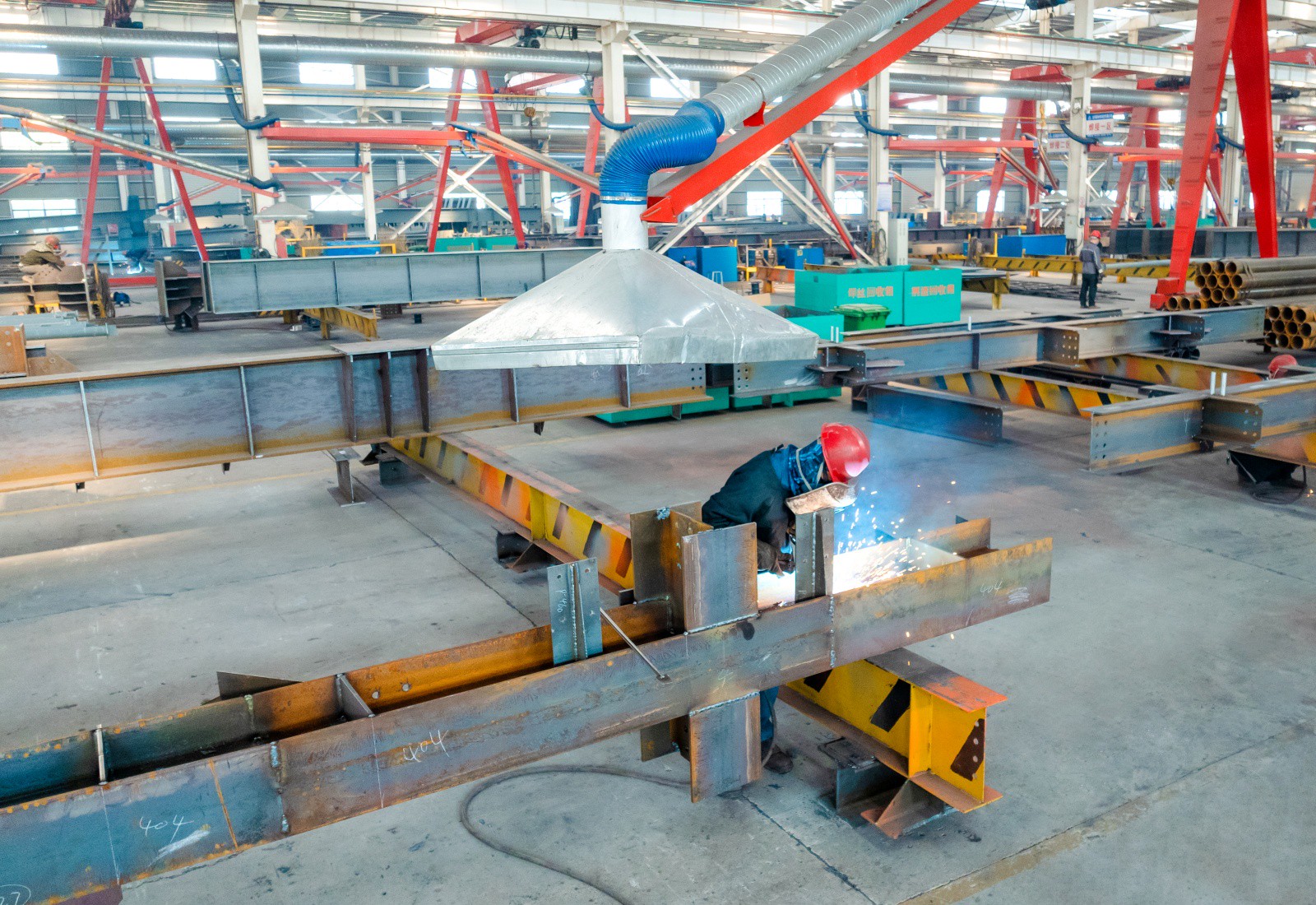
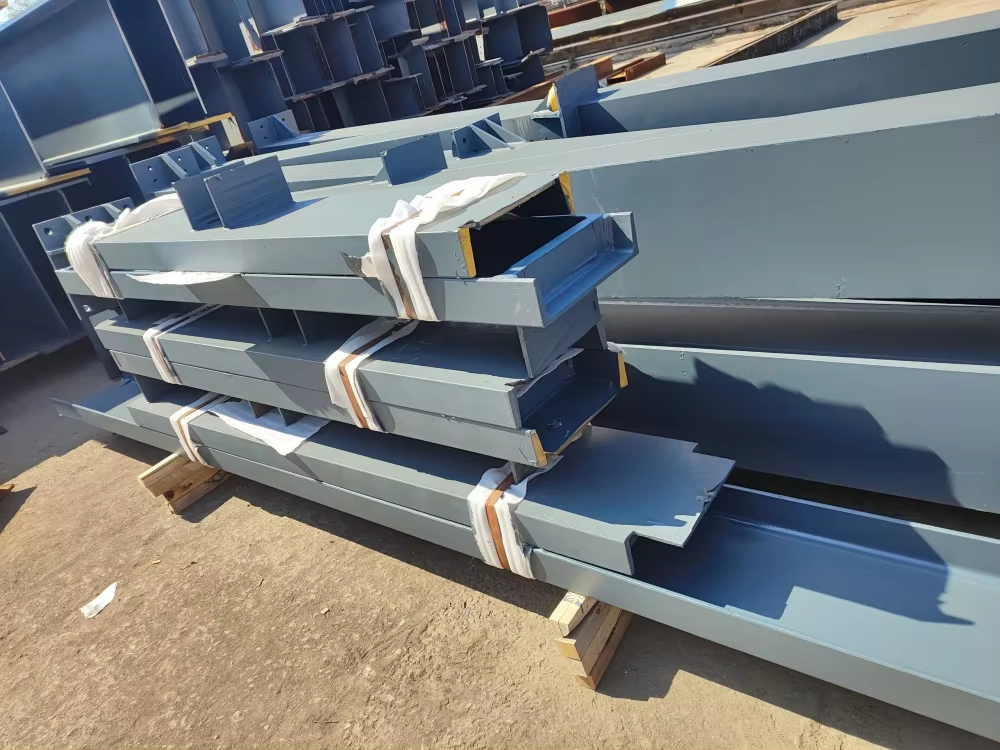
The steel members can be fabricated through cutting, welding, drilling, assembling, shot blasting, painting, marking, and inspection in the factory. Factory fabrication helps improve dimensional accuracy and keeps the installation process more organized.
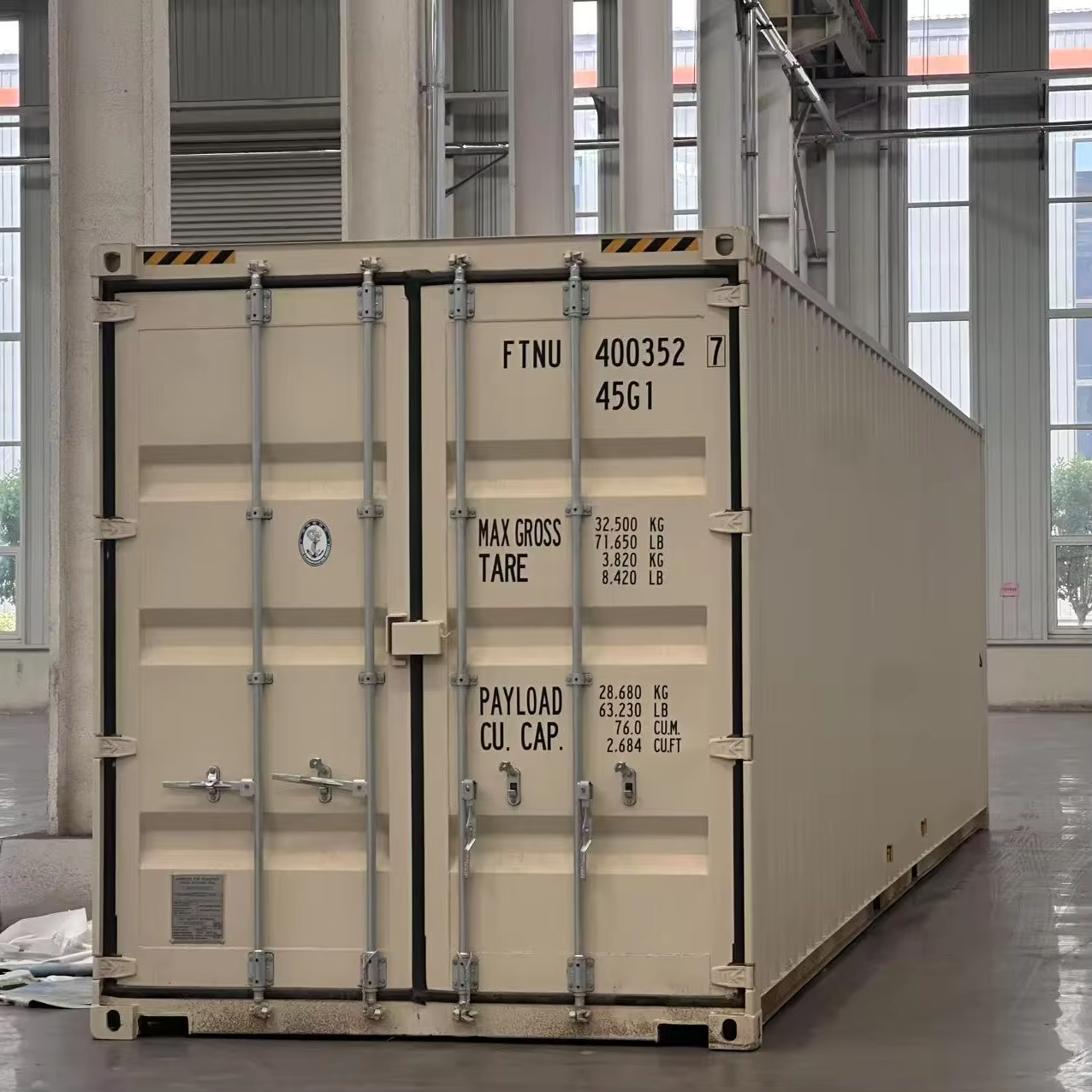
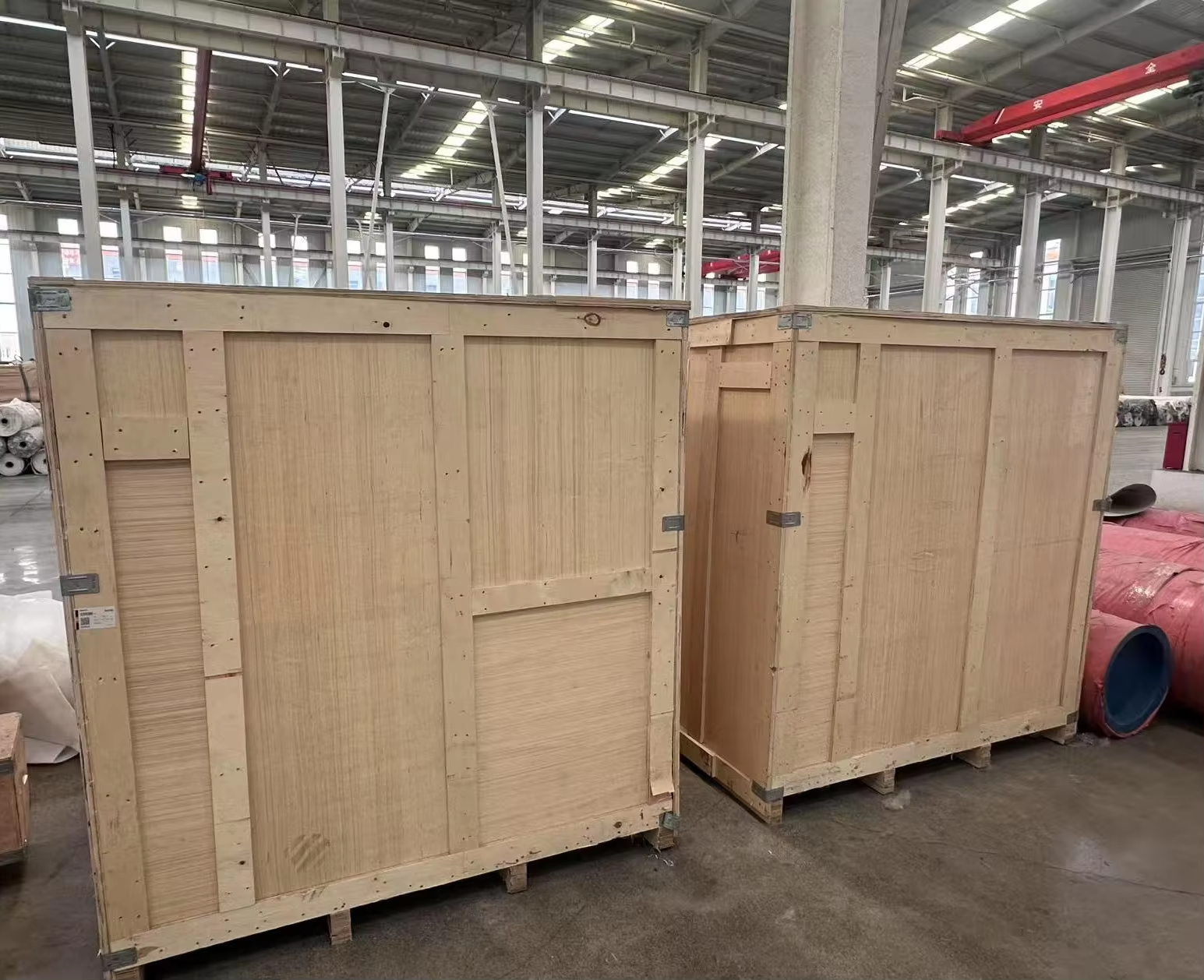
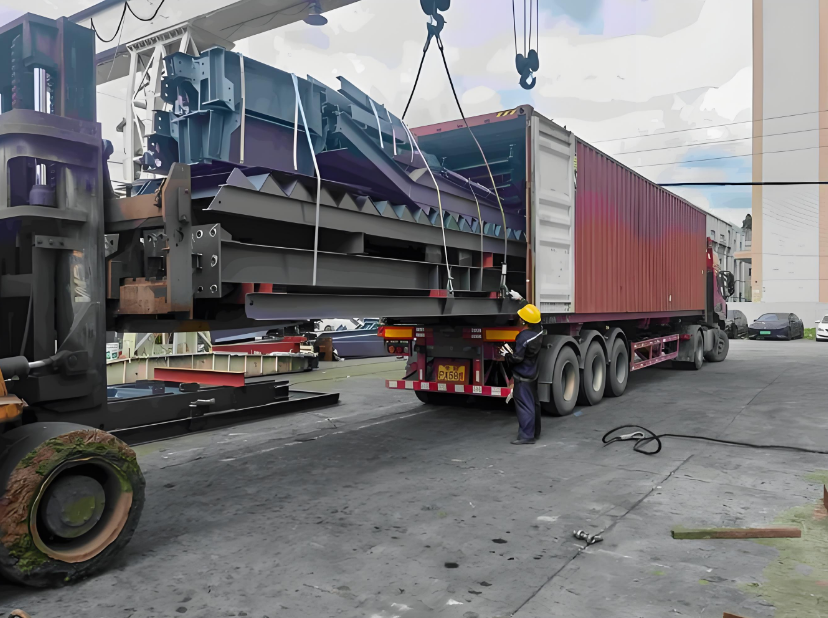
We can also provide component numbers, packing lists, installation drawings, bolt layout drawings, and container loading plans to help your local team identify each part more easily.
5. Multiple Roof and Wall Options
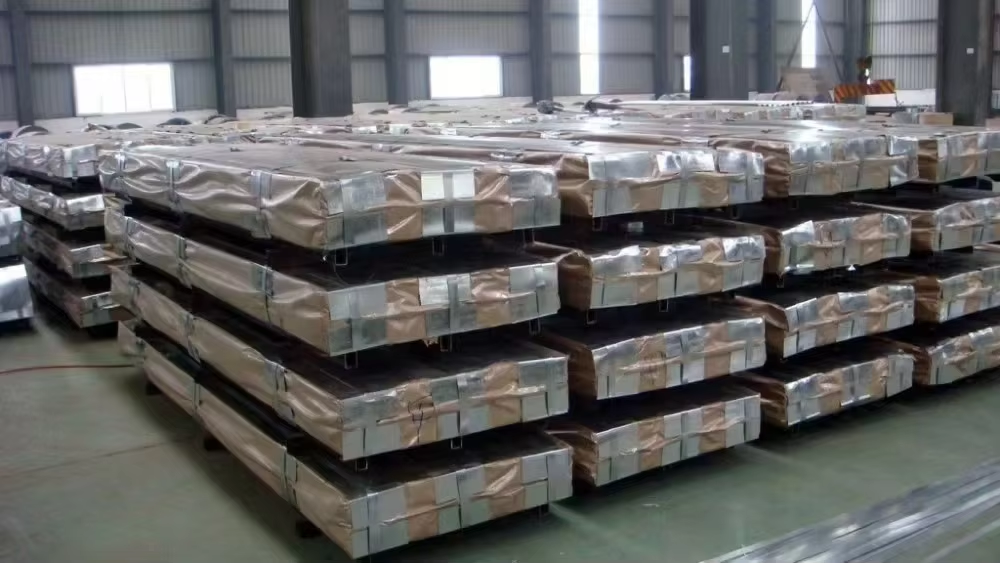
The roof and wall system can use color-coated steel sheet, single-skin panels, EPS sandwich panels, PU sandwich panels, rock wool sandwich panels, or customized cladding systems. For different building functions, we can also provide skylight panels, ventilation systems, gutters, downpipes, rolling doors, sliding doors, personnel doors, and louvers.
If the building is used for production, storage, food processing, cold storage support, or fire-sensitive areas, the panel material and insulation system should be selected carefully.
6. One-Stop Overseas Project Support
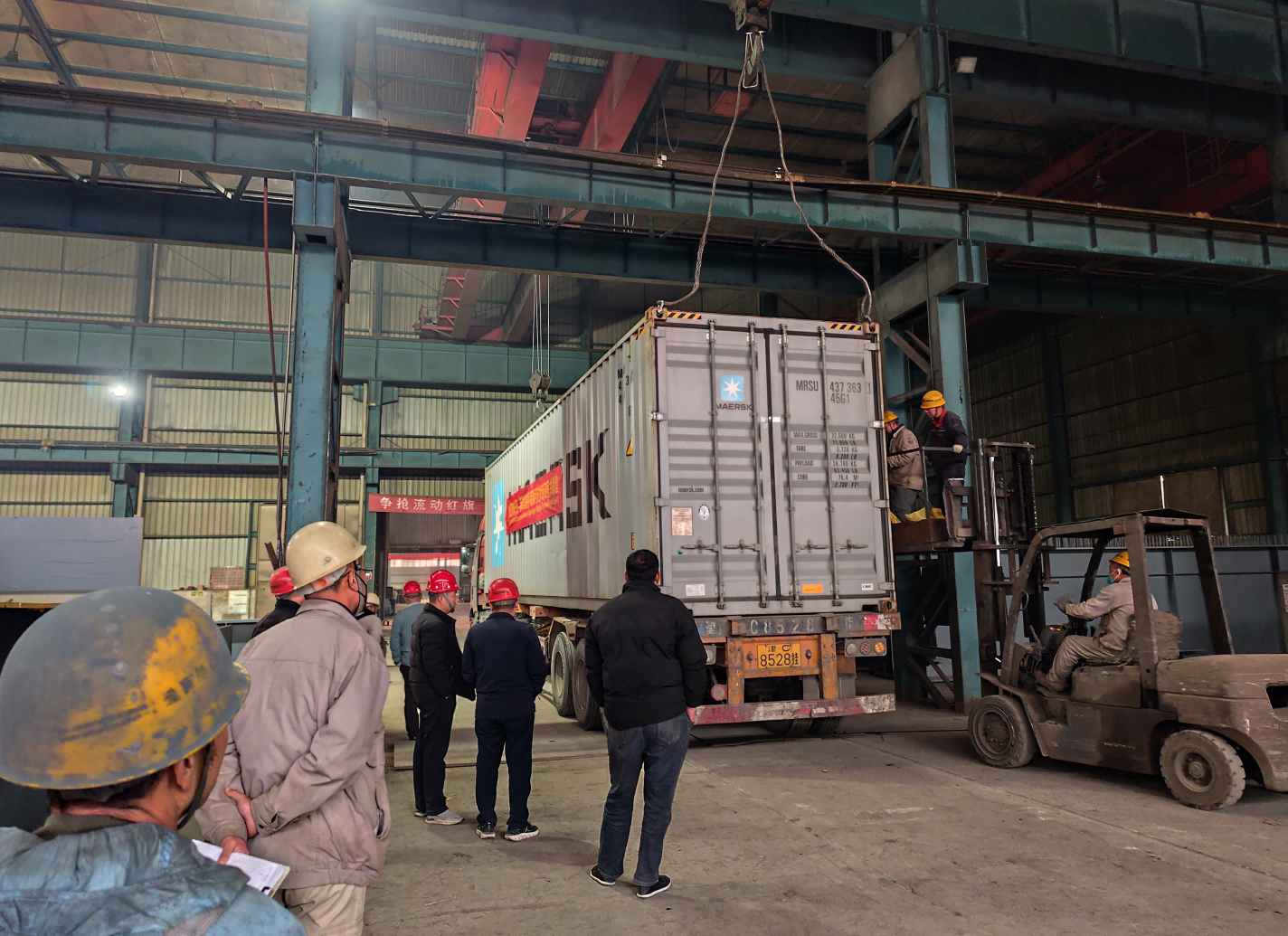
We do not only supply steel components. We can help you review project requirements, optimize the steel structure solution, prepare quotation details, coordinate manufacturing, arrange inspection, support export packing, and provide installation guidance.
For overseas projects, clear drawings, accurate packing, complete material lists, and reliable communication are often more important than a low unit price. Our goal is to help you reduce project risk before the materials arrive on site.
General Technical Solutions and Product Standards
Standards Reference Notes
For structural design, Eurocodes are European standards that provide a common approach for the structural and geotechnical design of buildings and infrastructure, while AISC develops steel specifications and codes widely used in structural steel design. ASTM A36 covers carbon structural steel shapes, plates, and bars used in riveted, bolted, or welded construction, and ASTM A572 covers high-strength low-alloy structural steel shapes, plates, sheet piling, and bars.
For fabrication quality, AWS D1.1 covers welding requirements for welded structures made from commonly used carbon and low-alloy constructional steels. For corrosion protection, ISO 12944-5 describes paint systems used for corrosion protection of steel structures, and ISO 1461 specifies general properties and test methods for hot-dip galvanized coatings on fabricated iron and steel articles. For projects entering the European building and construction market, EN 1090 certification is commonly associated with CE marking requirements for steel and aluminum structural components.
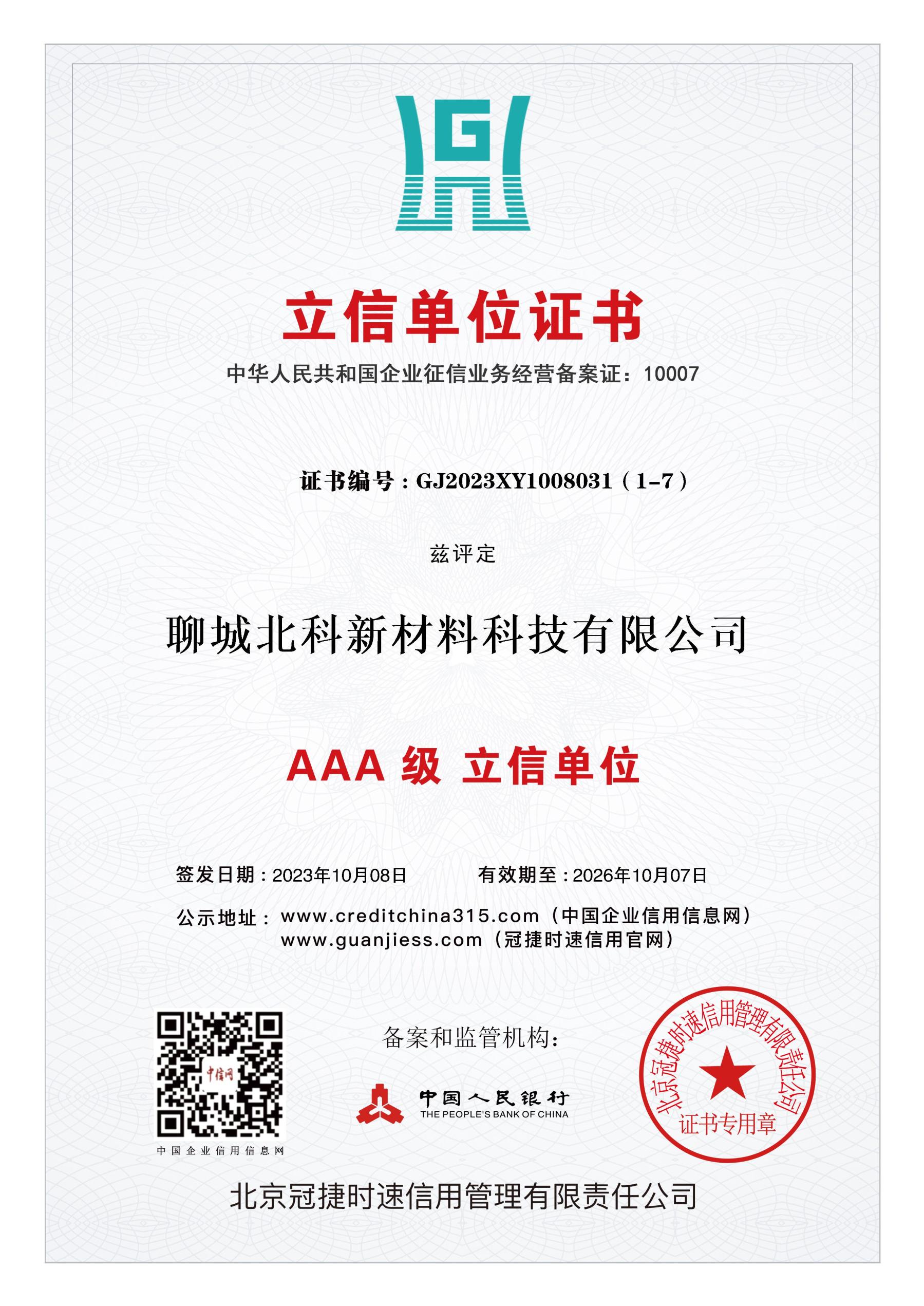
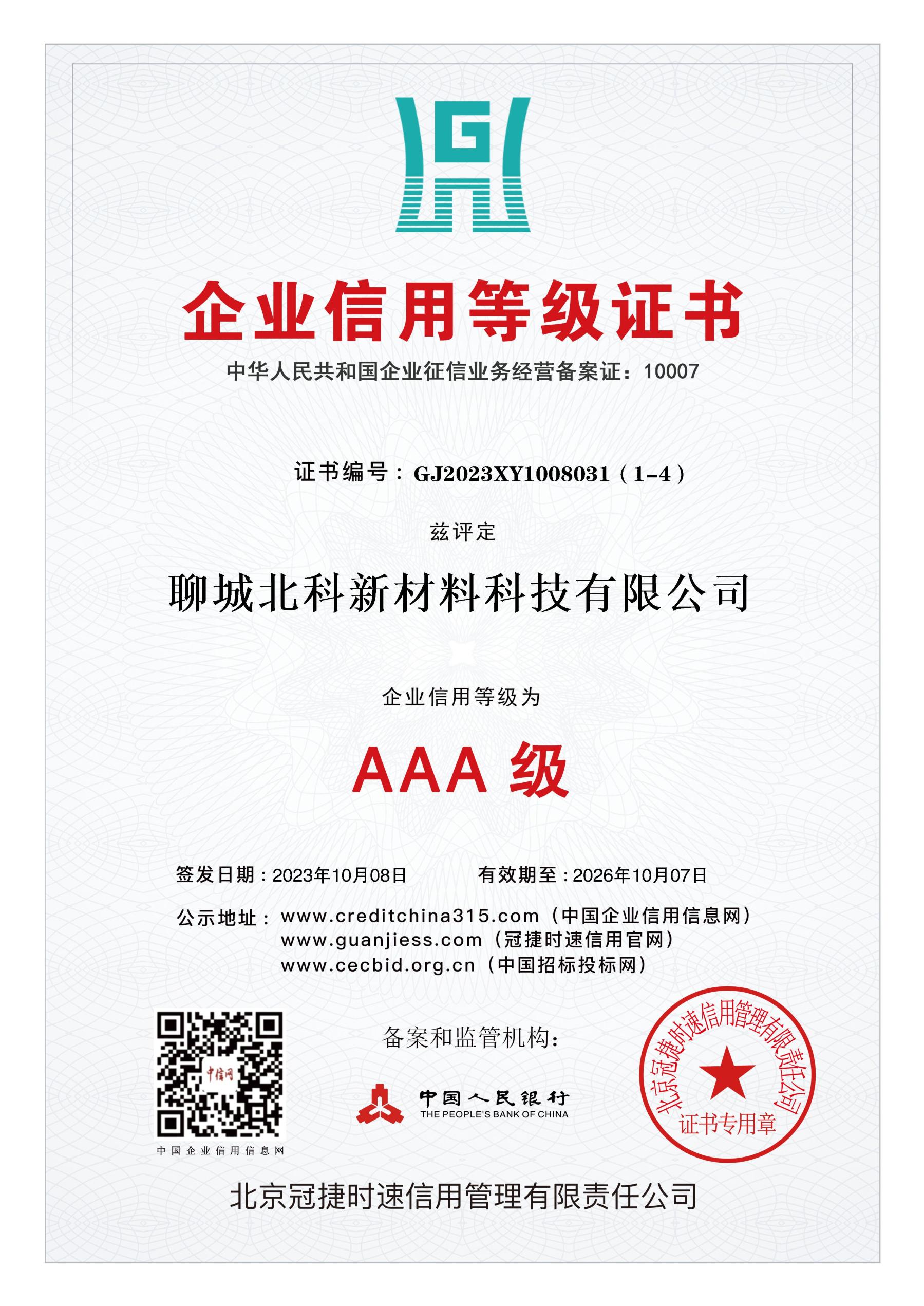
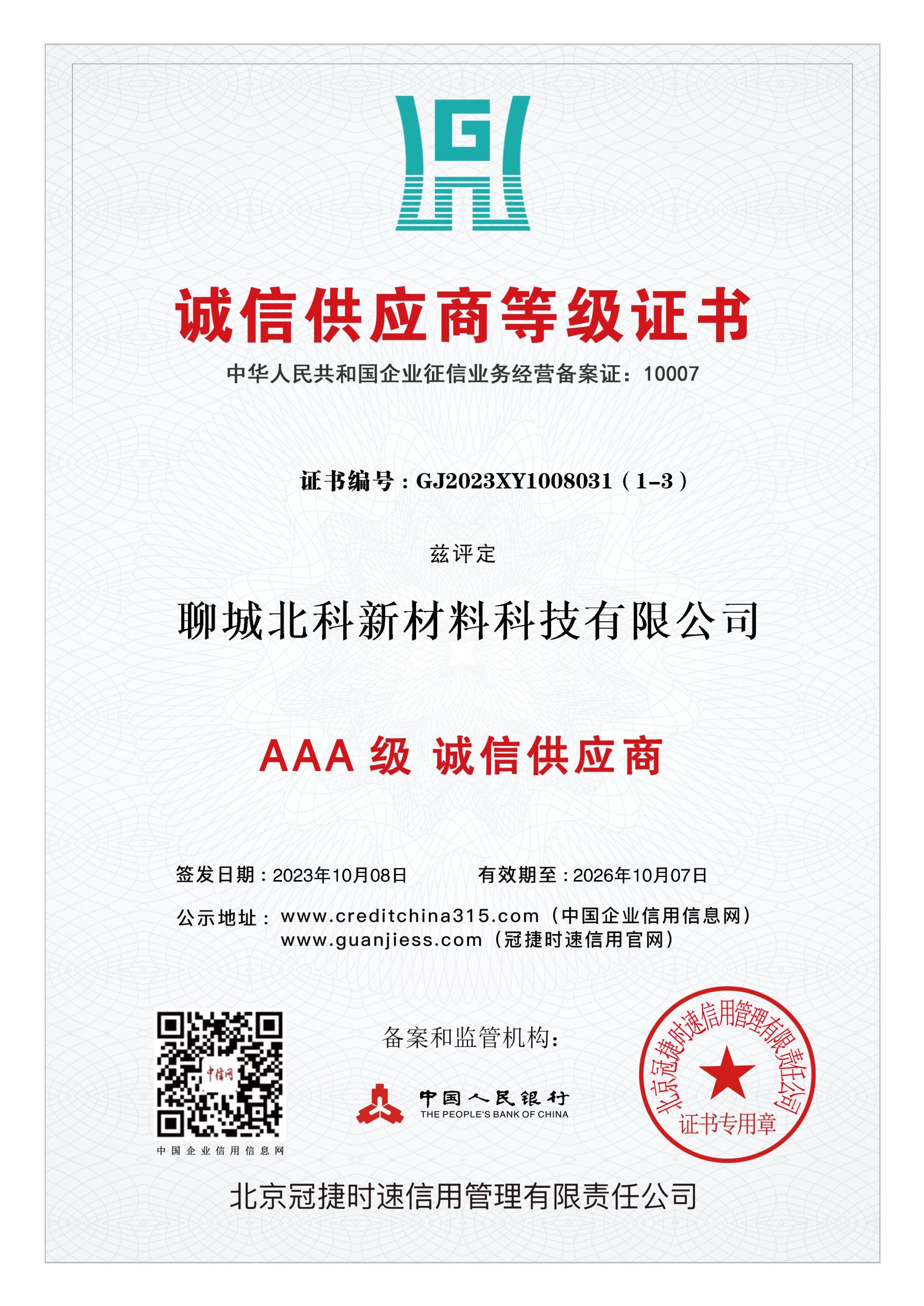
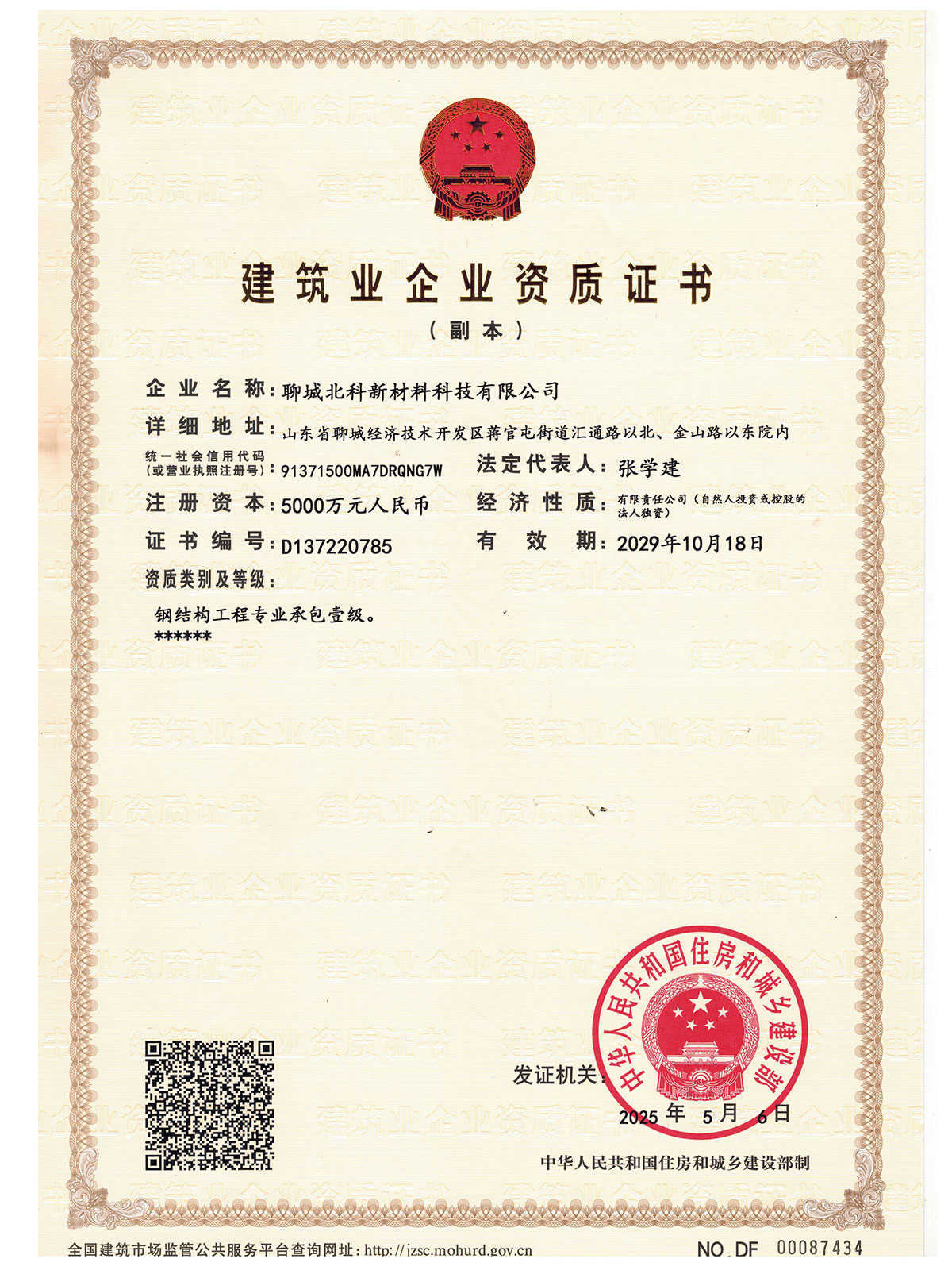
Certificate
Products
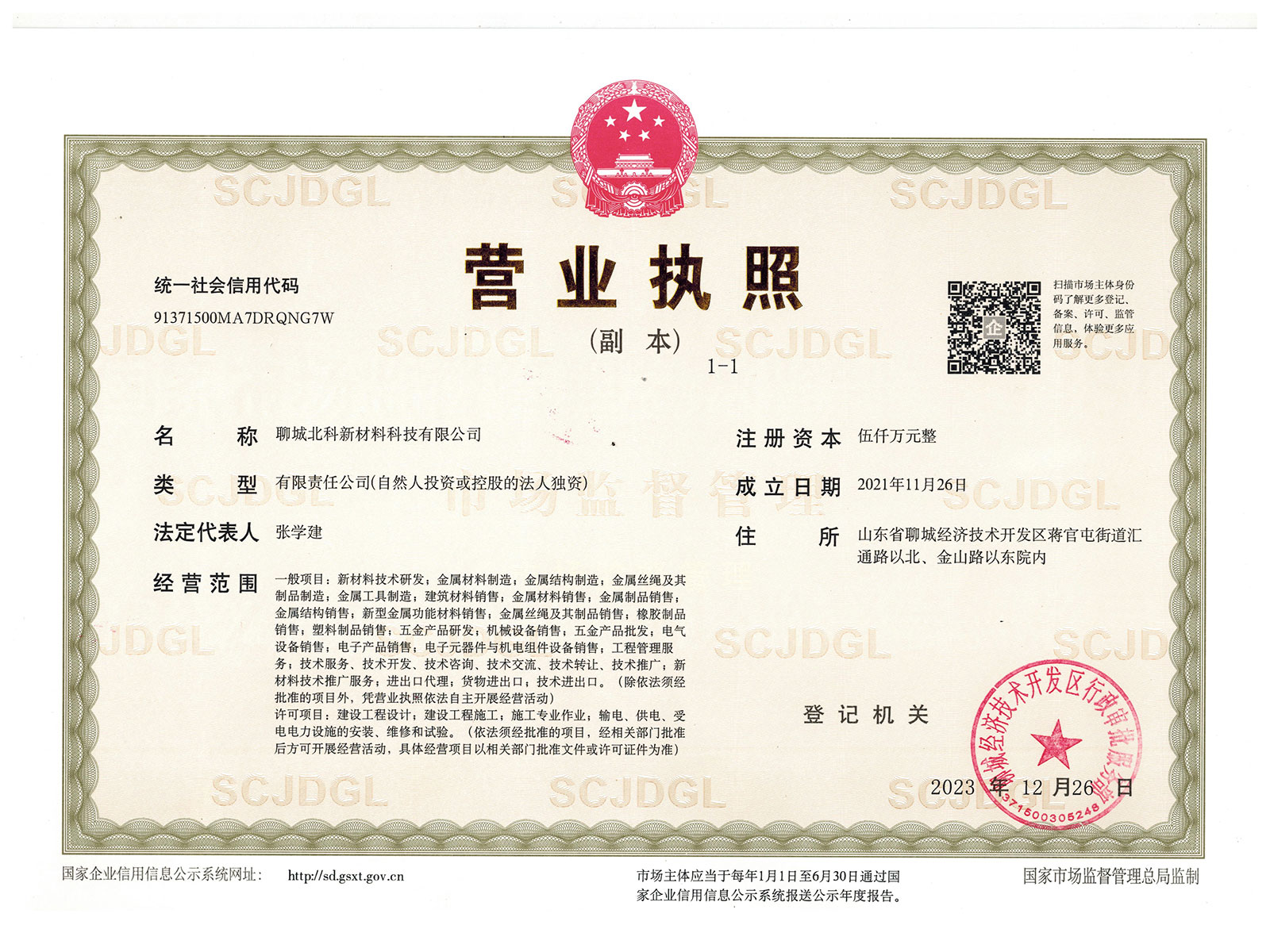
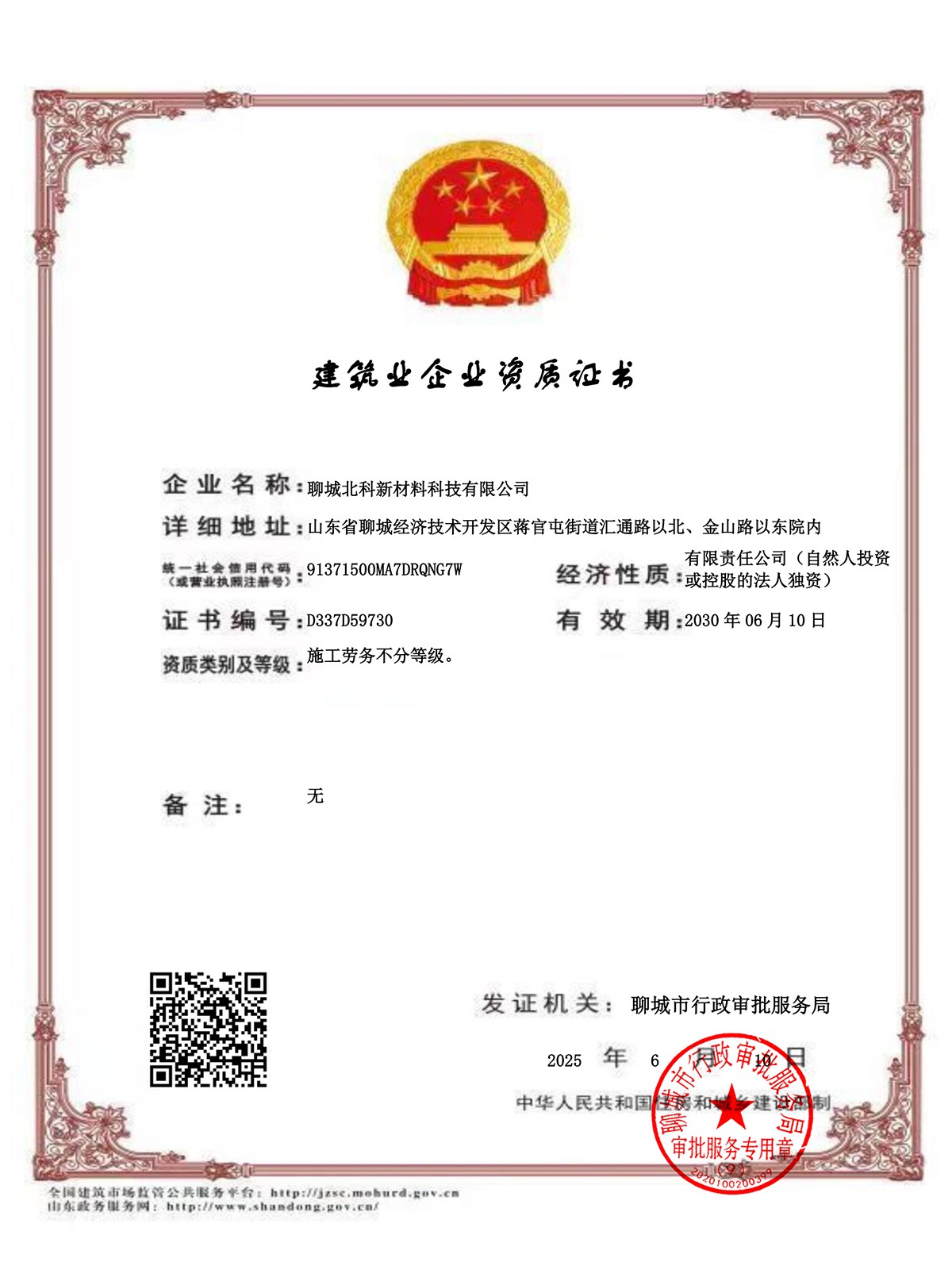
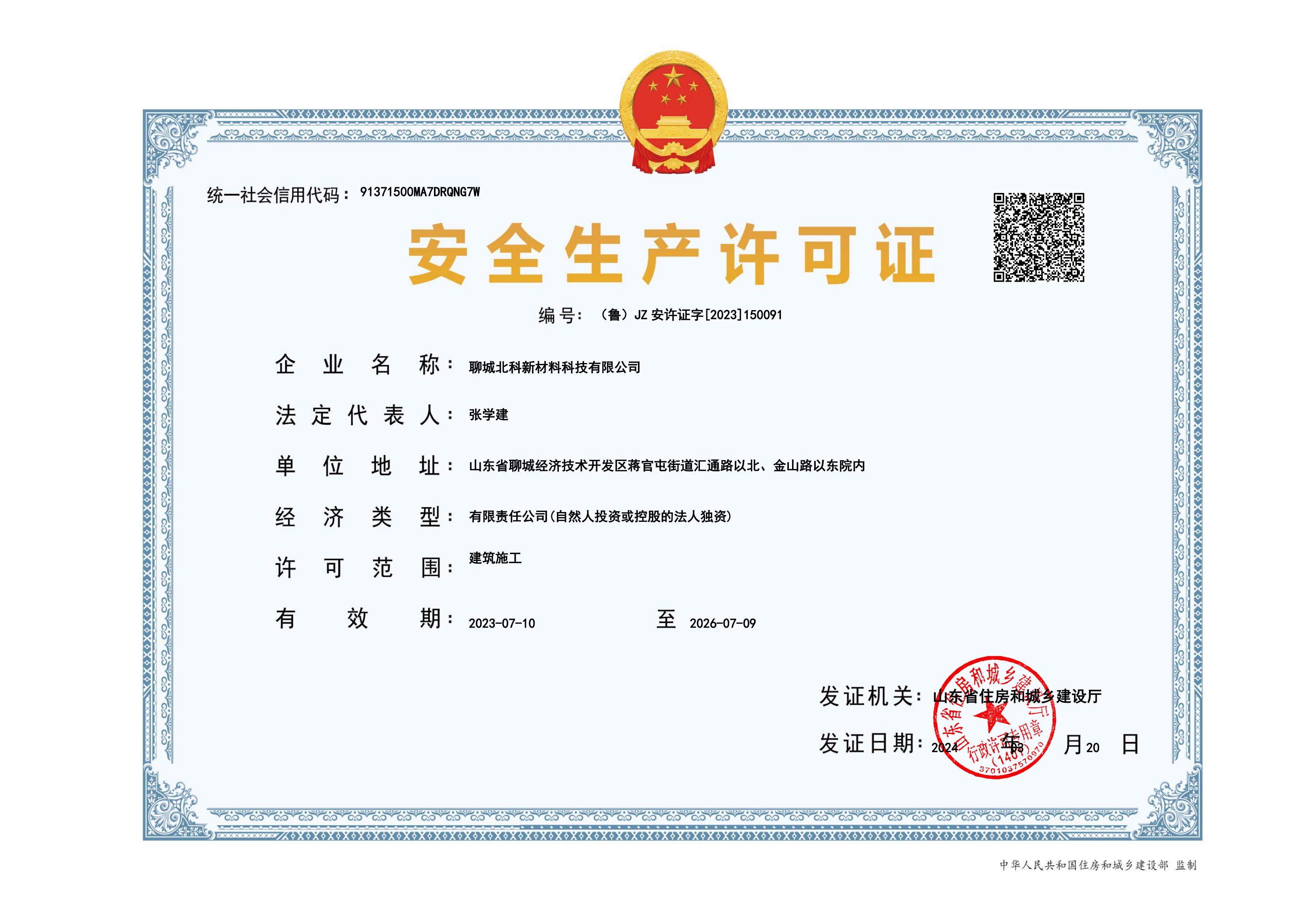
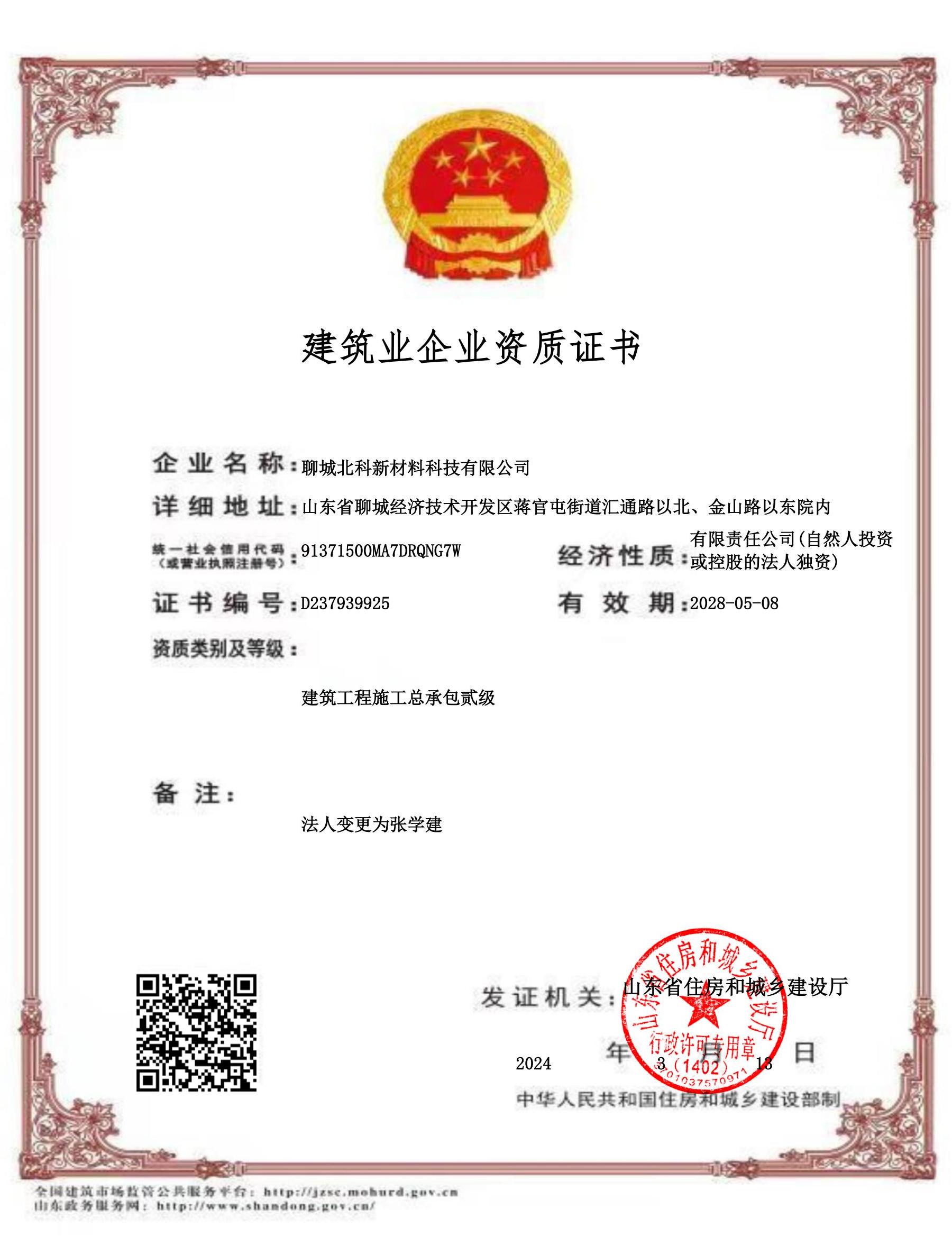
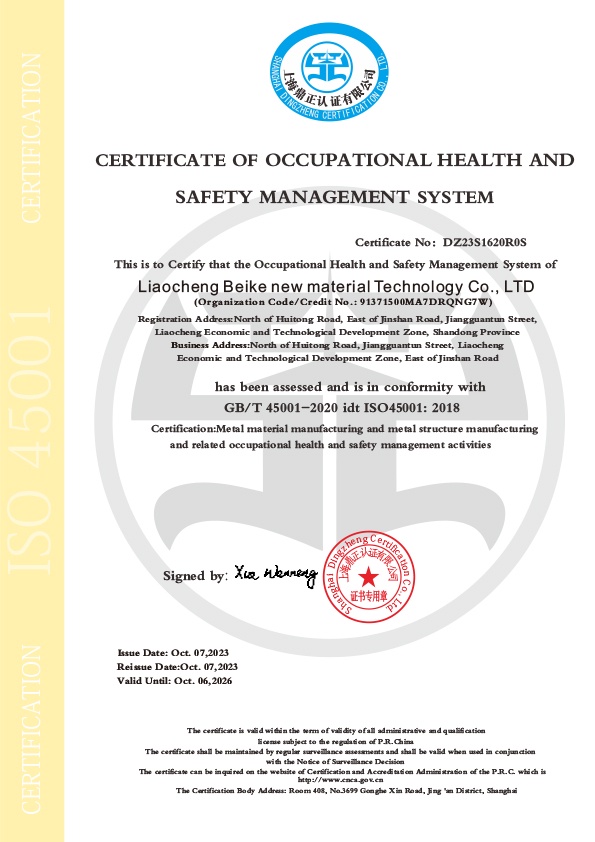
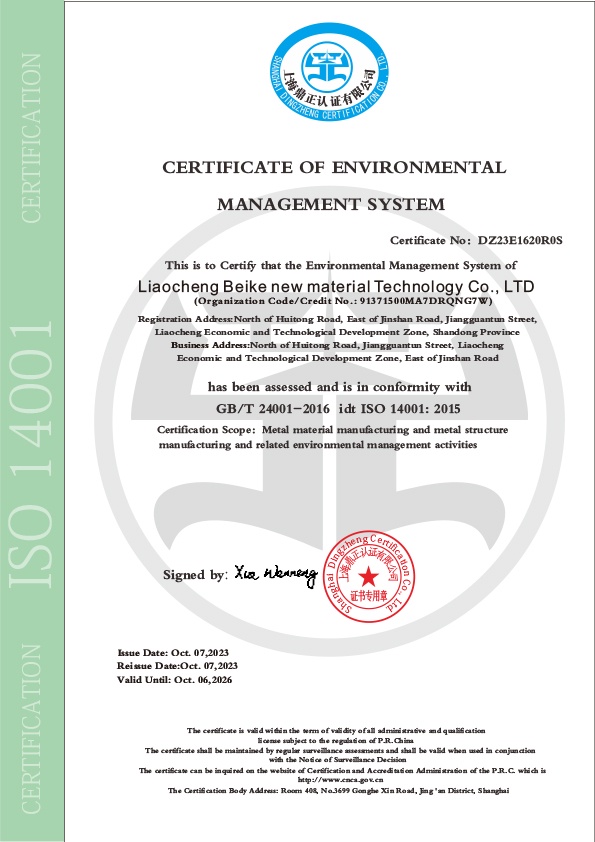
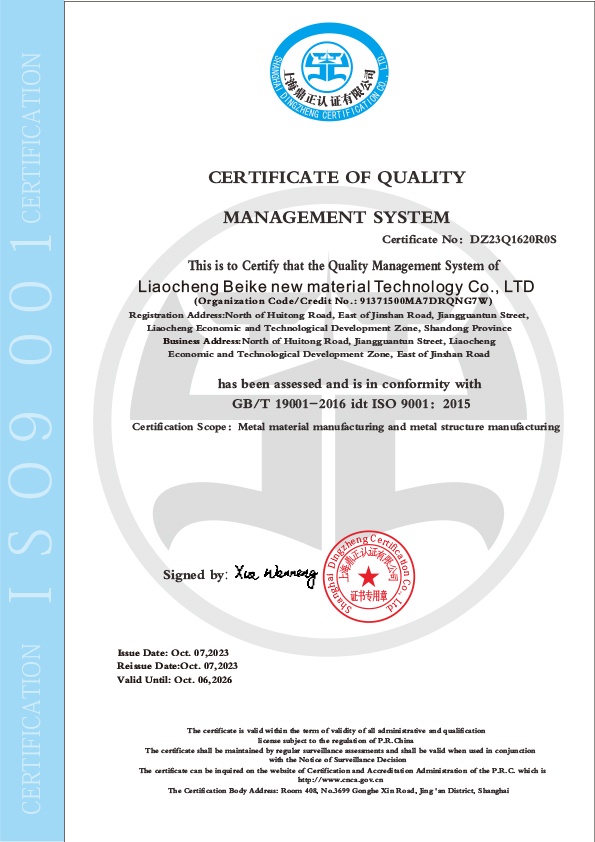
Factory Display
Products
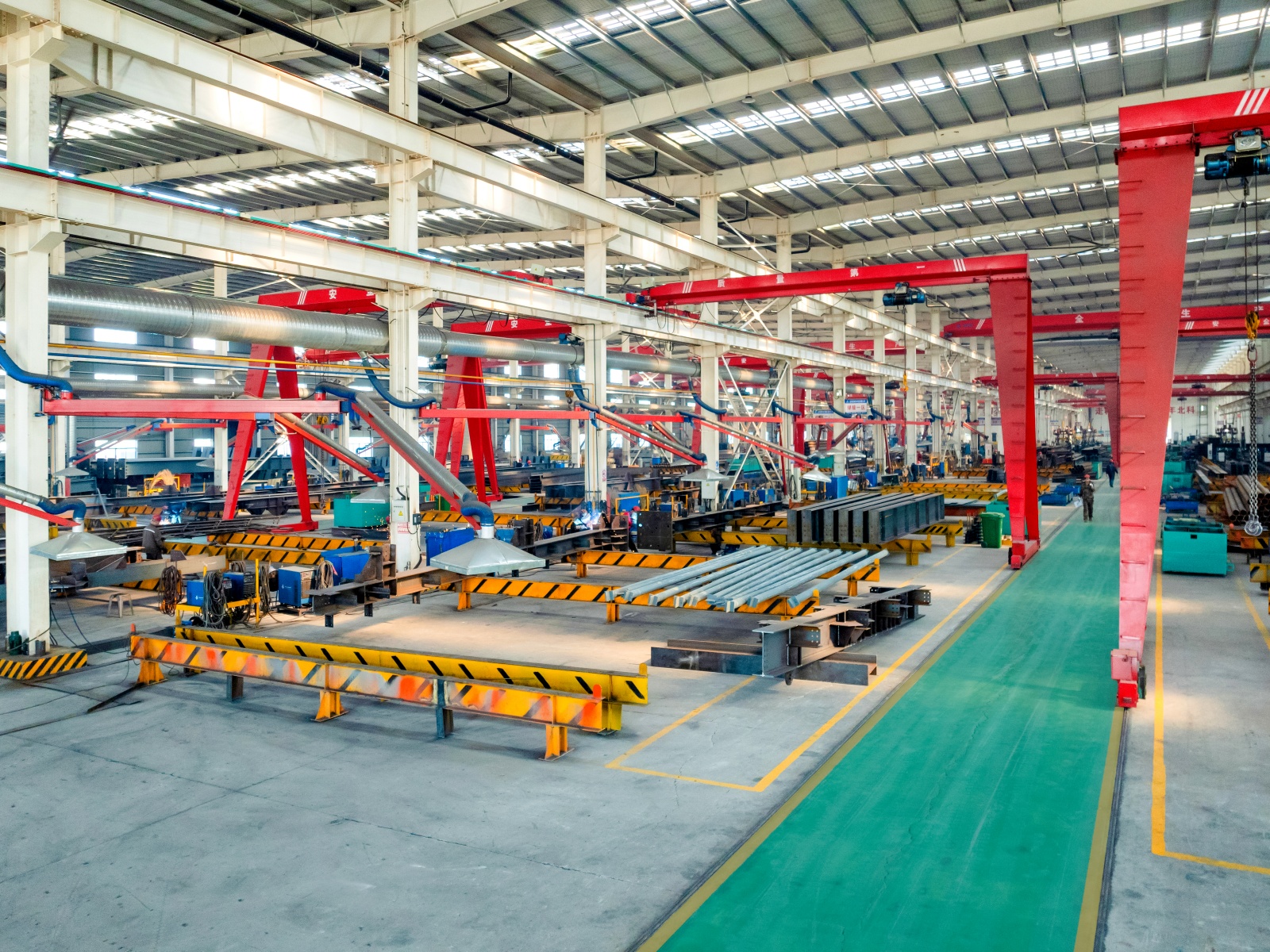
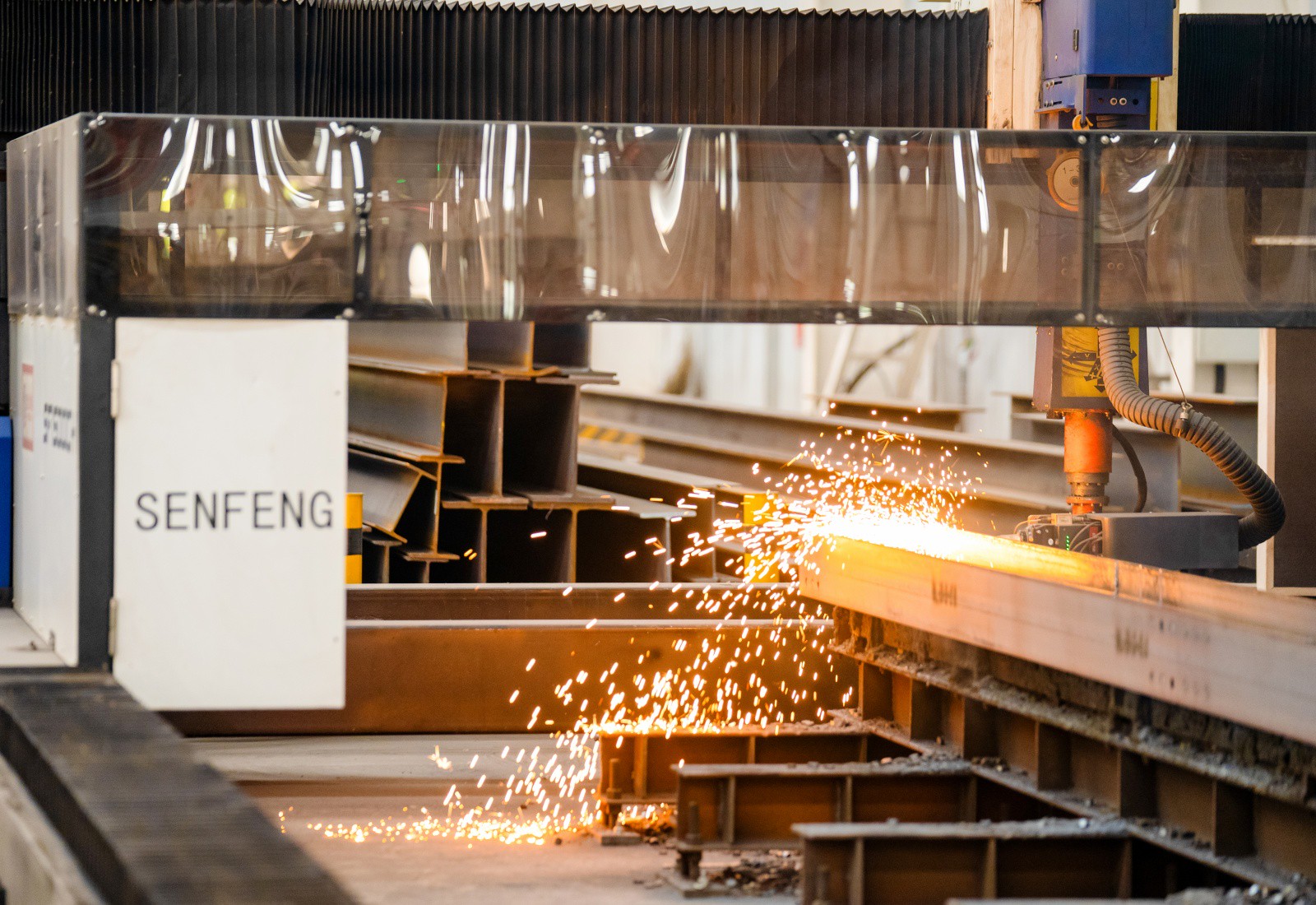
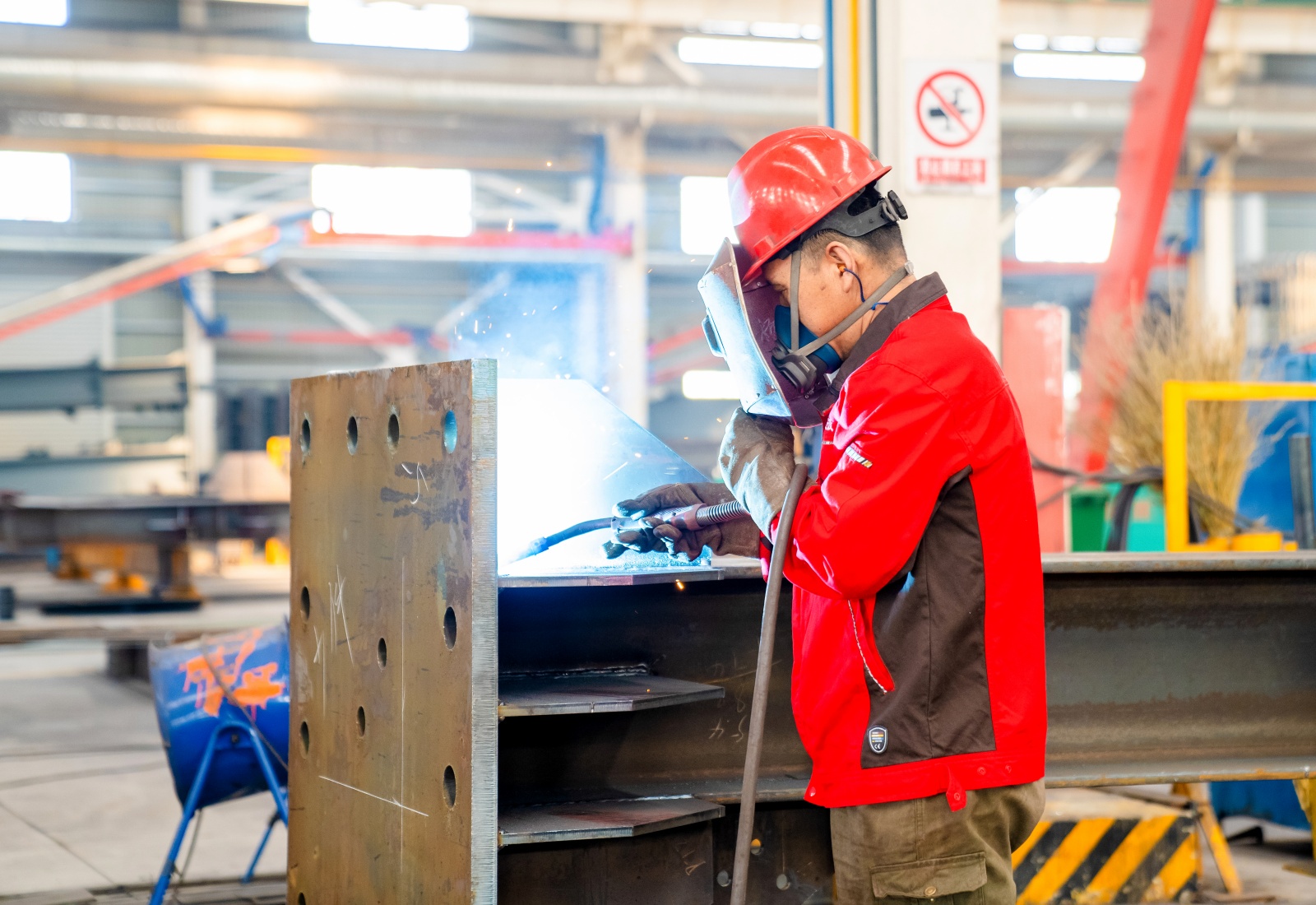
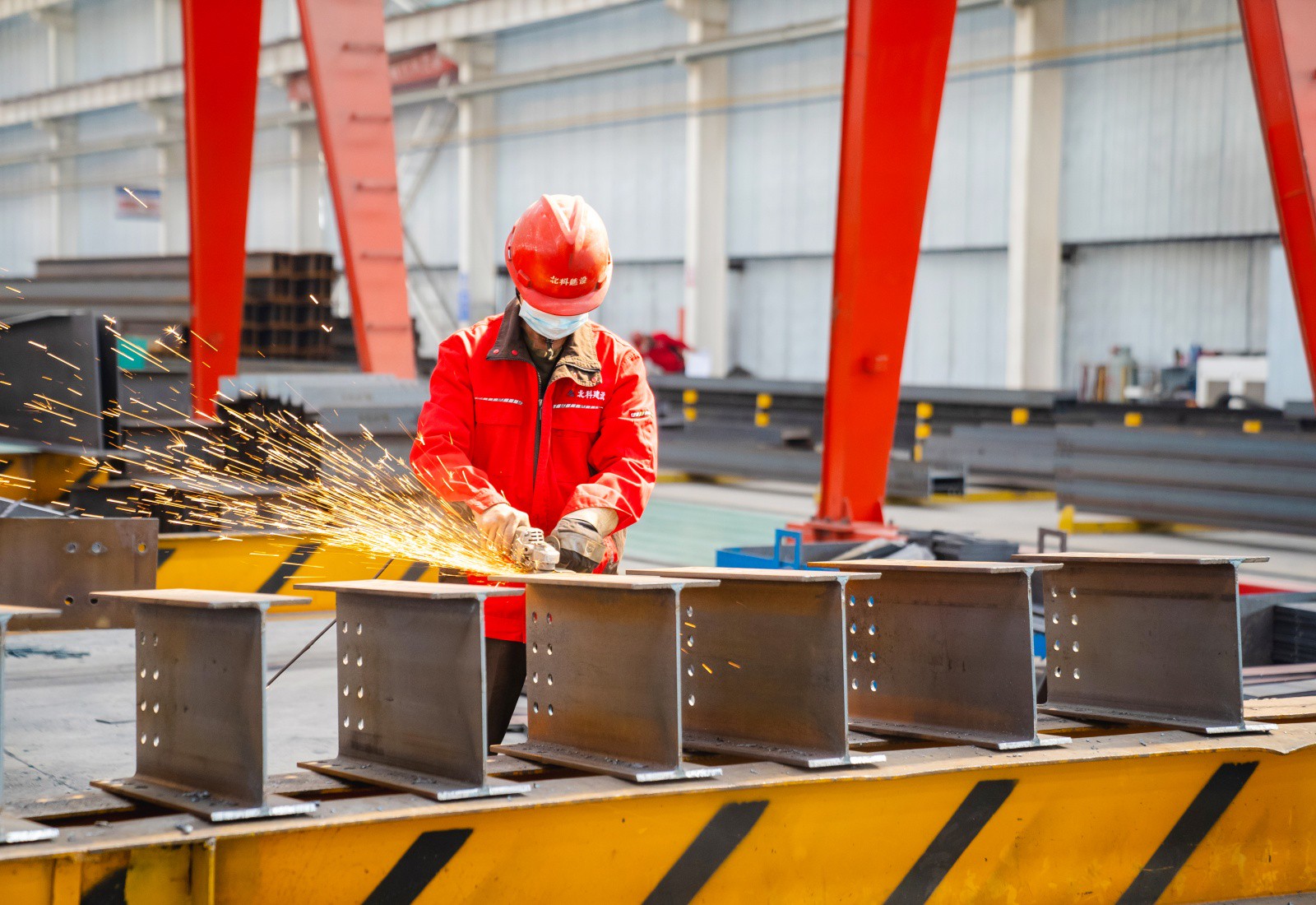
Packing & Delivery
Products
FAQ
Products
Q: What one-stop services and technical support can we provide for overseas steel structure projects?
Q: Why choose us rather than other suppliers?
Q: What products do we supply?
Q: How can we ensure quality?
Q: Who are we?
Online Consultation
Products
Related Suggestion
Products
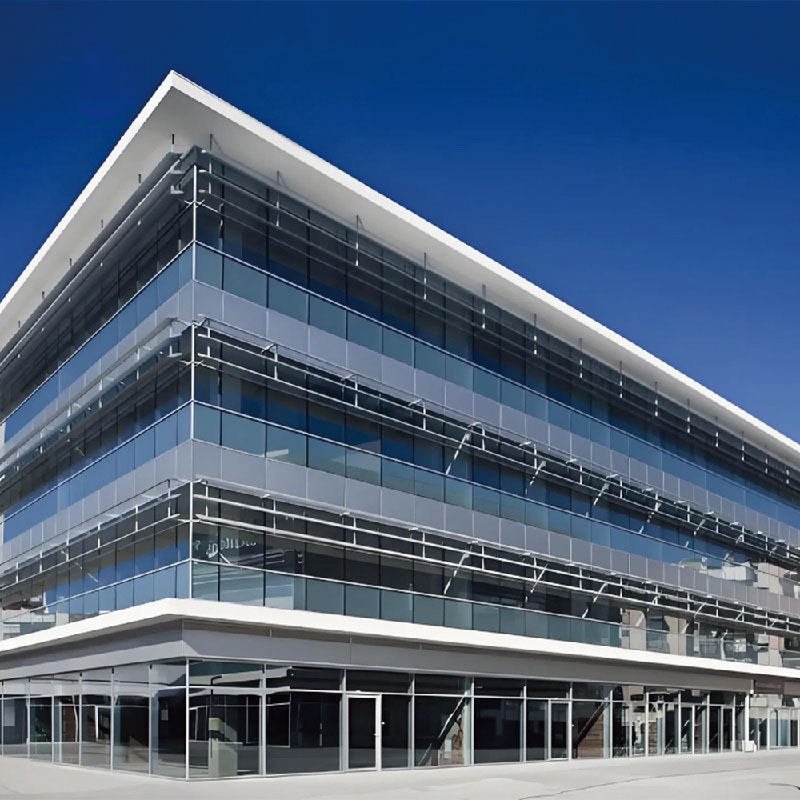
 Steel Structure Workshop & Warehouse Building
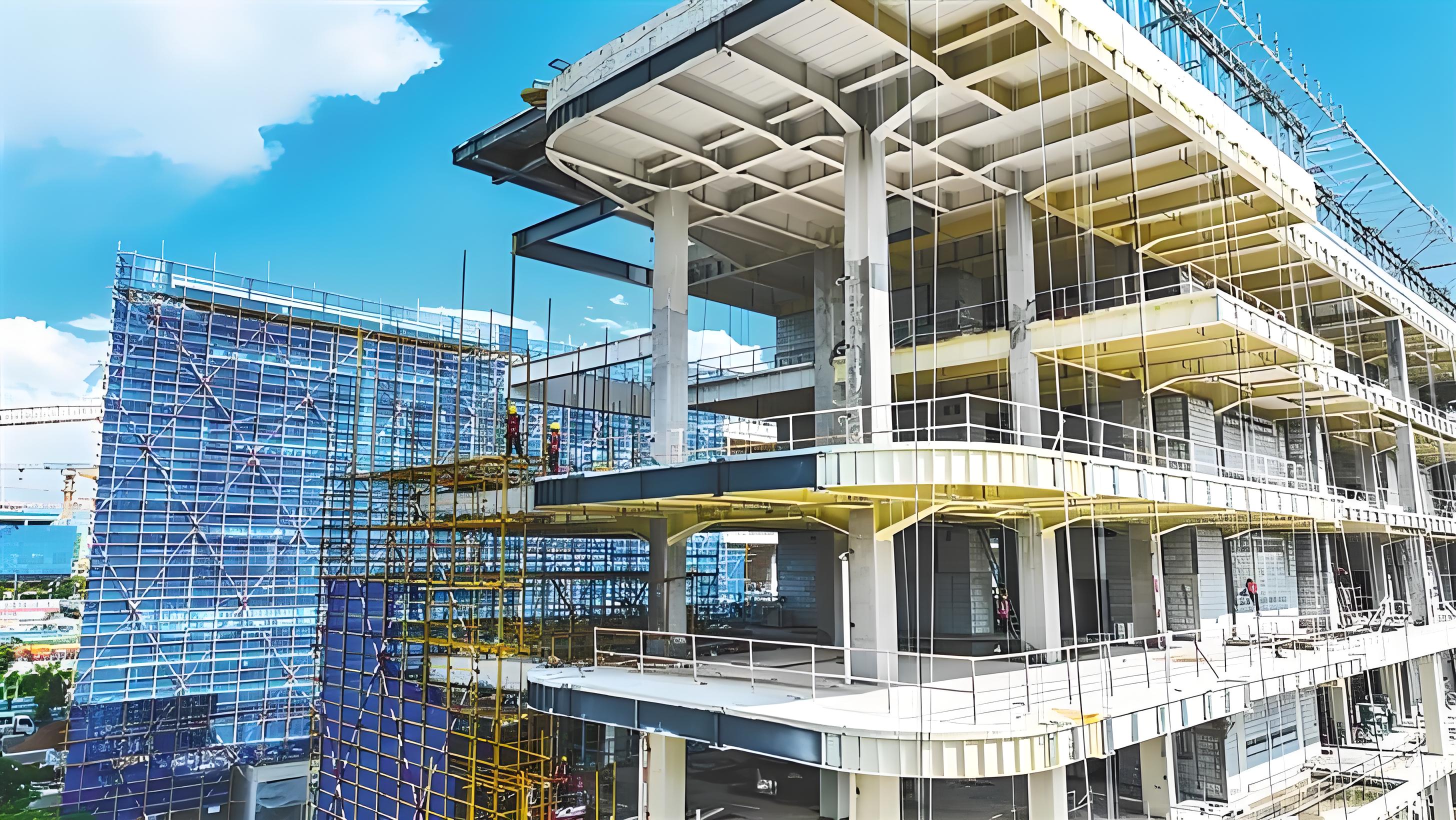
 Multi-layer industrial steel structure building structure, suitable for shopping malls and commercial purposes
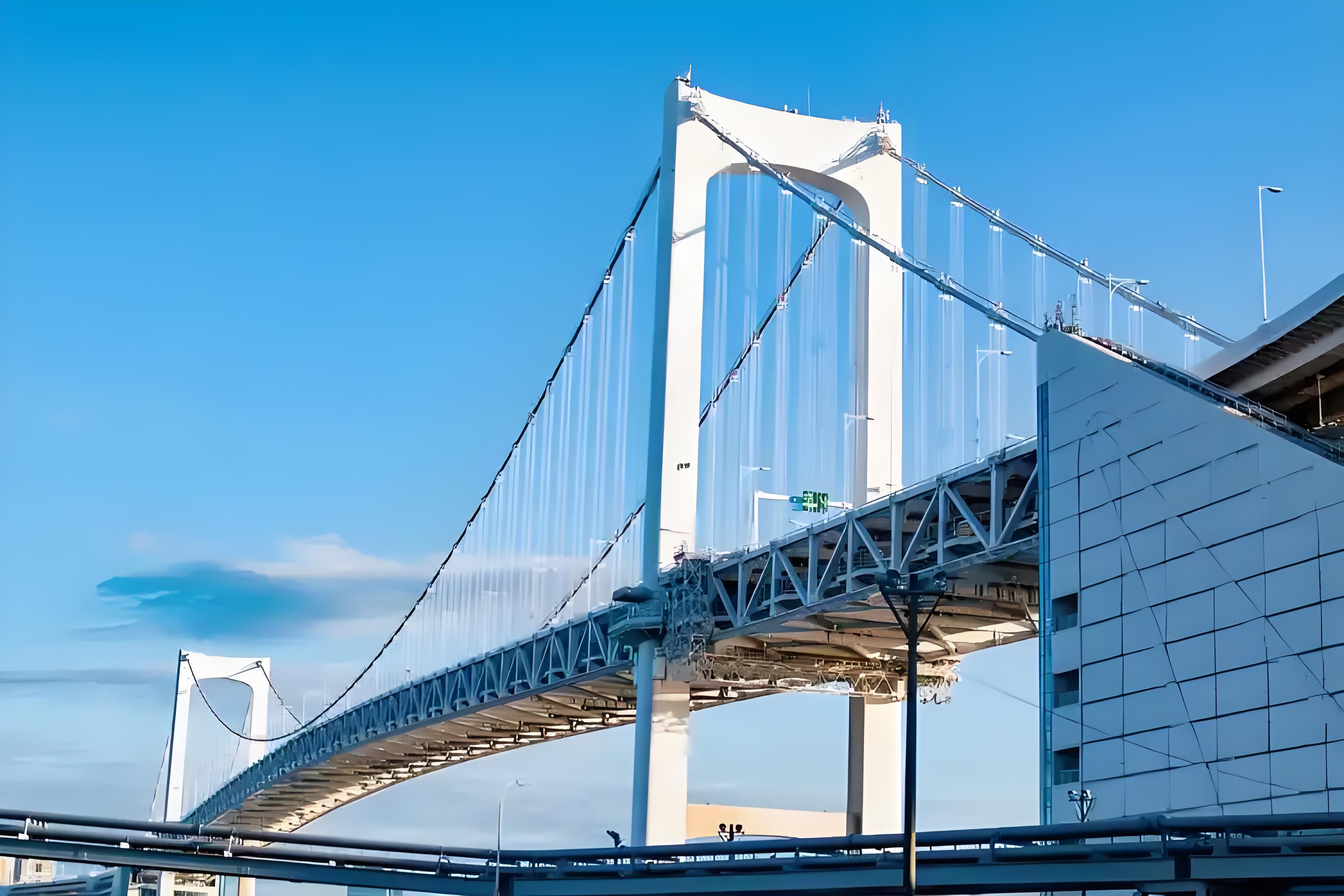
 Steel Highway Bridge Components
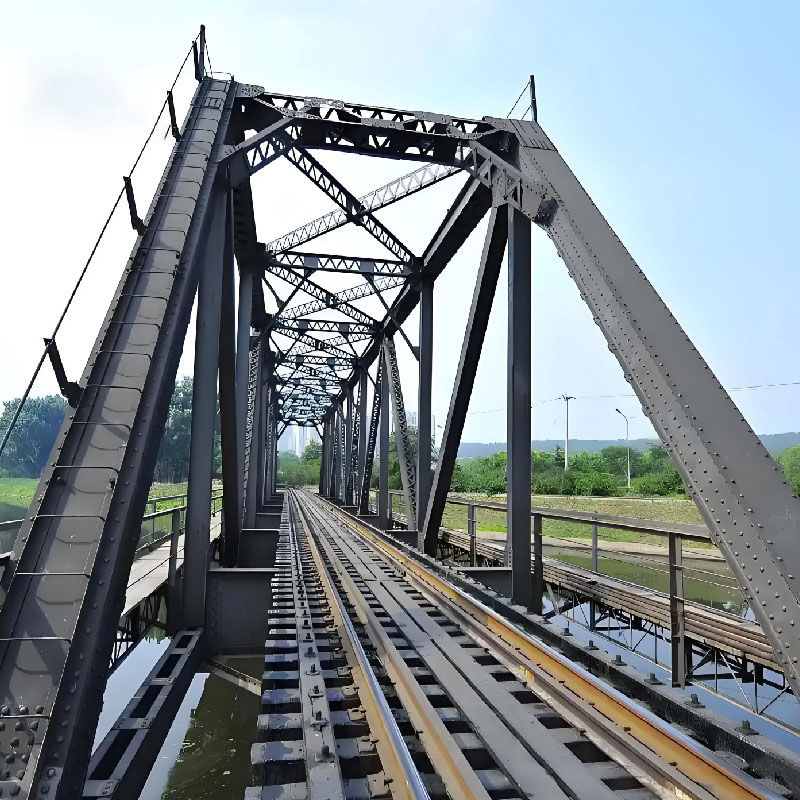
 Steel Bridge Prefab Steel Truss Structure Bridge Design for Sale
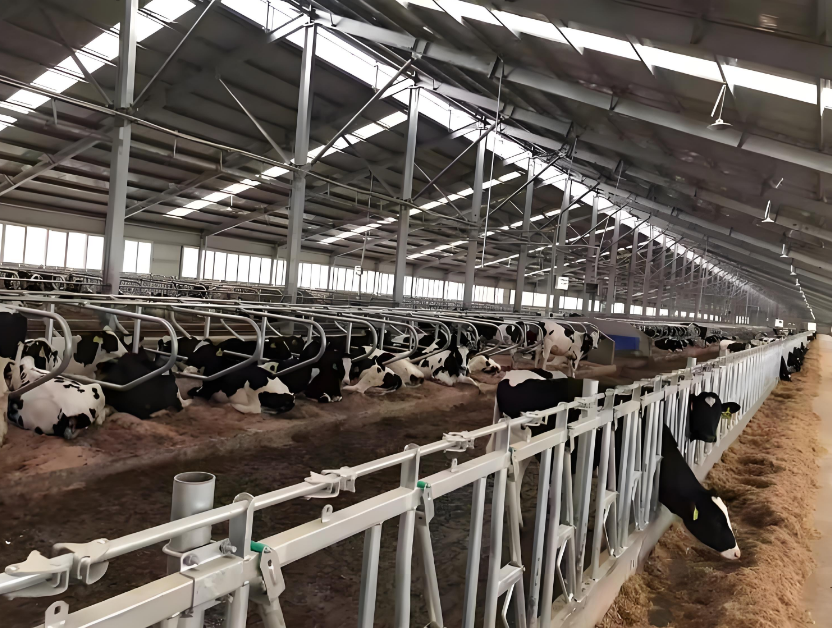
 Prefab Steel Livestock Barns for Cattle, Sheep & Pigs-Strong, Ventilated & Easy to Assemble
 AISC Standard Joint Truss Beam Steel Structures
 Chicken poultry Egg-laying chicken breeding factory building
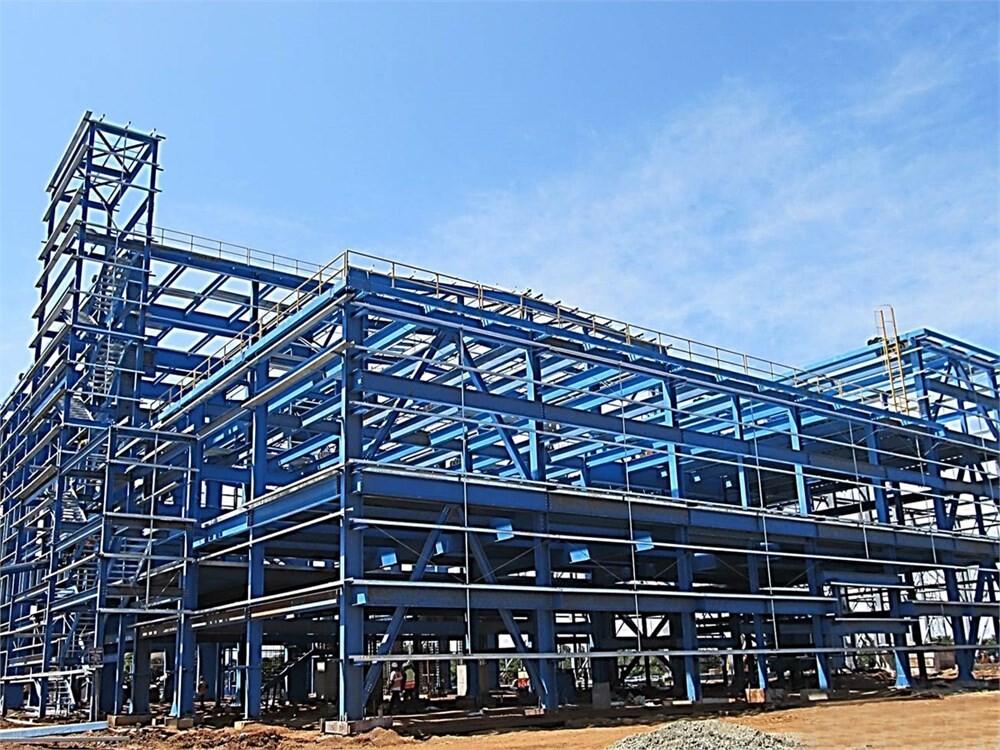
 Plant Steel Structure
 Comparison of Steel Portal Frame vs. Steel Truss Frame vs. Steel Space Frame
 Commercial Buildings
 Steel Structure in General Power Plant
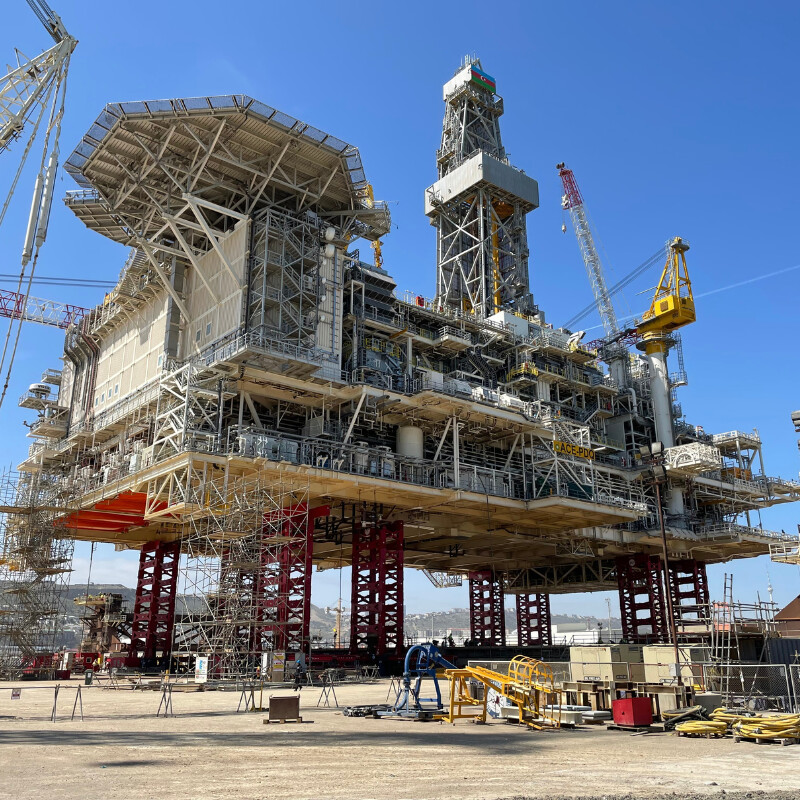
 Steel Structure for Drilling Platform
 Multi-storey plant steel structure
 Standardized industrial plant buildings
 Prefabricated Steel Warehouse with Crane System Industrial Lifting Ready
 Prefabricated Steel Structure Warehouse Building
 Prefabricated Steel Warehouse Fast Construction & Low Cost Solutions
 Modern Prefabricated Steel Structure Warehouse and Industrial Workshop Building
 Modern Design Steel Structure Warehouse Modular Prefabricated Factory Building Low Cost Industrial Workshop Shed
 Heavy Duty Steel Structures Portal Frame for Industrial Warehouse Buildings ASTM Standard Welding for Steel Workshop
 Essential Steel Workshop Core Features Only - No Hidden Costs
We are more than happy to serve you here. If you have any question, please feel free to contact us.