


‹
›
‹
›
Product Details
Products
Core Advantages of the Product
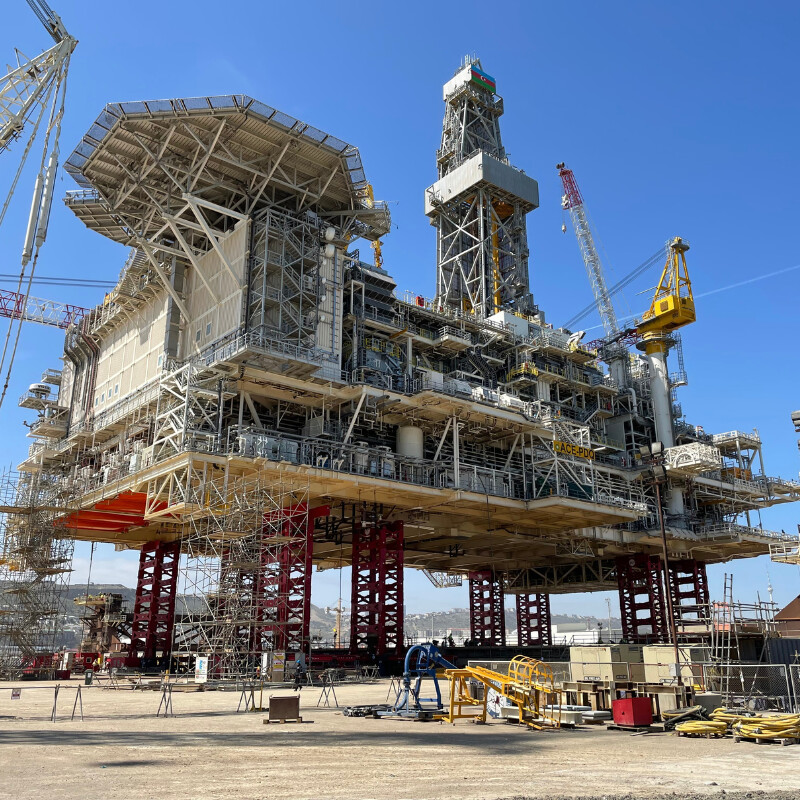
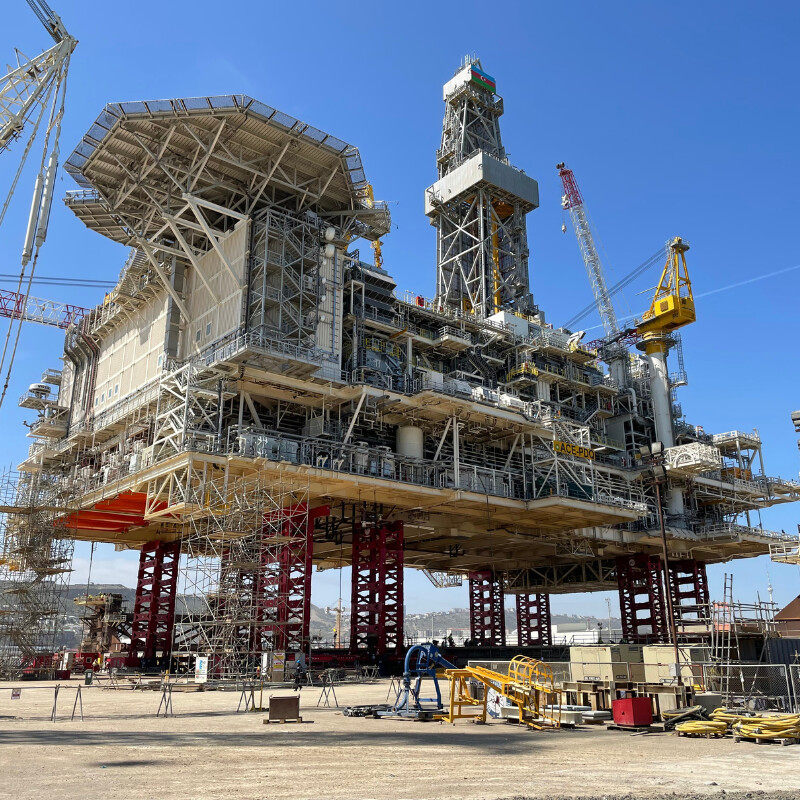
Offshore platform steel structures are fundamentally different from ordinary land-based buildings. They must work under combined effects of wave action, wind, vibration, equipment loading, transport constraints, lifting interfaces and long service exposure in corrosive marine environments. ABS guidance notes that fatigue and fracture are significant failure modes for marine and offshore structures because they are subject to wave, vibration and other loads throughout their service lives. That is why offshore steel structures must be designed not only for strength, but also for fatigue performance, fracture control and long-term durability.
One major advantage of steel in offshore applications is its ability to organize heavy-duty structures into modular and transportable systems. Offshore projects commonly rely on topside modules, deck support structures, access frames, process-support structures and auxiliary steel systems that need to be fabricated, transported and assembled with high dimensional control. ABS rules for offshore facilities are written around hydrocarbon production and processing systems together with associated utility systems, which reflects how offshore structural steel is tied to much more than the main frame alone.
Another major advantage is structural efficiency for elevated platforms and deck systems. Steel makes it easier to create multi-level working zones, equipment platforms, walkways, maintenance access and process-support areas without excessively increasing self-weight. In marine and offshore conditions, lower self-weight, better prefabrication potential and clearer lifting logic can directly improve constructability and installation planning. Steel’s offsite fabrication also helps reduce site congestion and can shorten overall execution time when compared with more site-dependent methods.
Corrosion and fatigue control are also central advantages when addressed correctly from the beginning. ABS notes that cathodic protection together with protective coatings is a common method for protecting immersed steel surfaces from corrosion, while DNV’s fatigue guidance is specifically aimed at ensuring safe fatigue design of offshore steel structures. In other words, the strength of an offshore steel solution is not only in the steel itself, but in whether corrosion protection, fatigue evaluation, weld detail control and service-life thinking are built into the system from the start.
We can help you turn these engineering requirements into a structure path that is not only strong on paper, but also more realistic for fabrication, transportation, lifting, installation and later maintenance.
Technical Support We Can Provide
Offshore steel structure projects require more than standard detailing. We can help you coordinate the relationship between topside loads, deck hierarchy, support zones, equipment interfaces, access systems, transport segmentation, lifting logic and future maintenance requirements before fabrication begins. In offshore projects, technical problems often do not come from a single member but from the mismatch between structure, module layout, lifting sequence and marine service conditions.
We use advanced design and detailing tools including PKPM, 3D3S, Midas, Sap2000 and Tekla, and we also apply BIM capability throughout the project lifecycle. This allows us to support structural optimization, node coordination, deepening work, fabrication preparation and interface reduction between steel structure, process modules and service systems.
We can also help you distinguish where framed systems, truss systems, module-support arrangements or mixed steel layouts are more suitable. Offshore projects often demand not just a strong structure, but a structure that can be broken down, transported, lifted and reconnected with predictable accuracy. We can help you make those decisions earlier, so the project path is clearer before production and offshore execution begin.
Our Strength
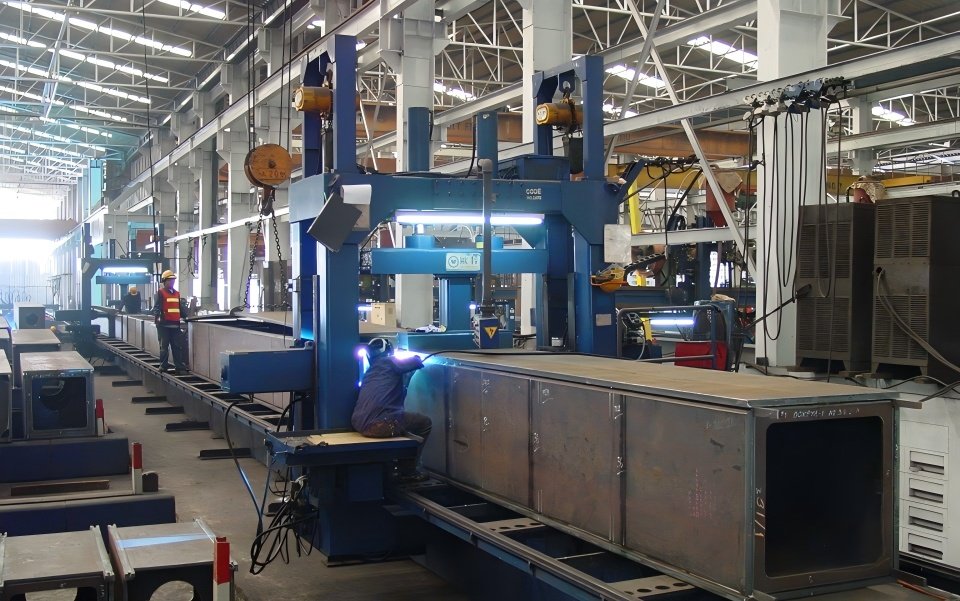
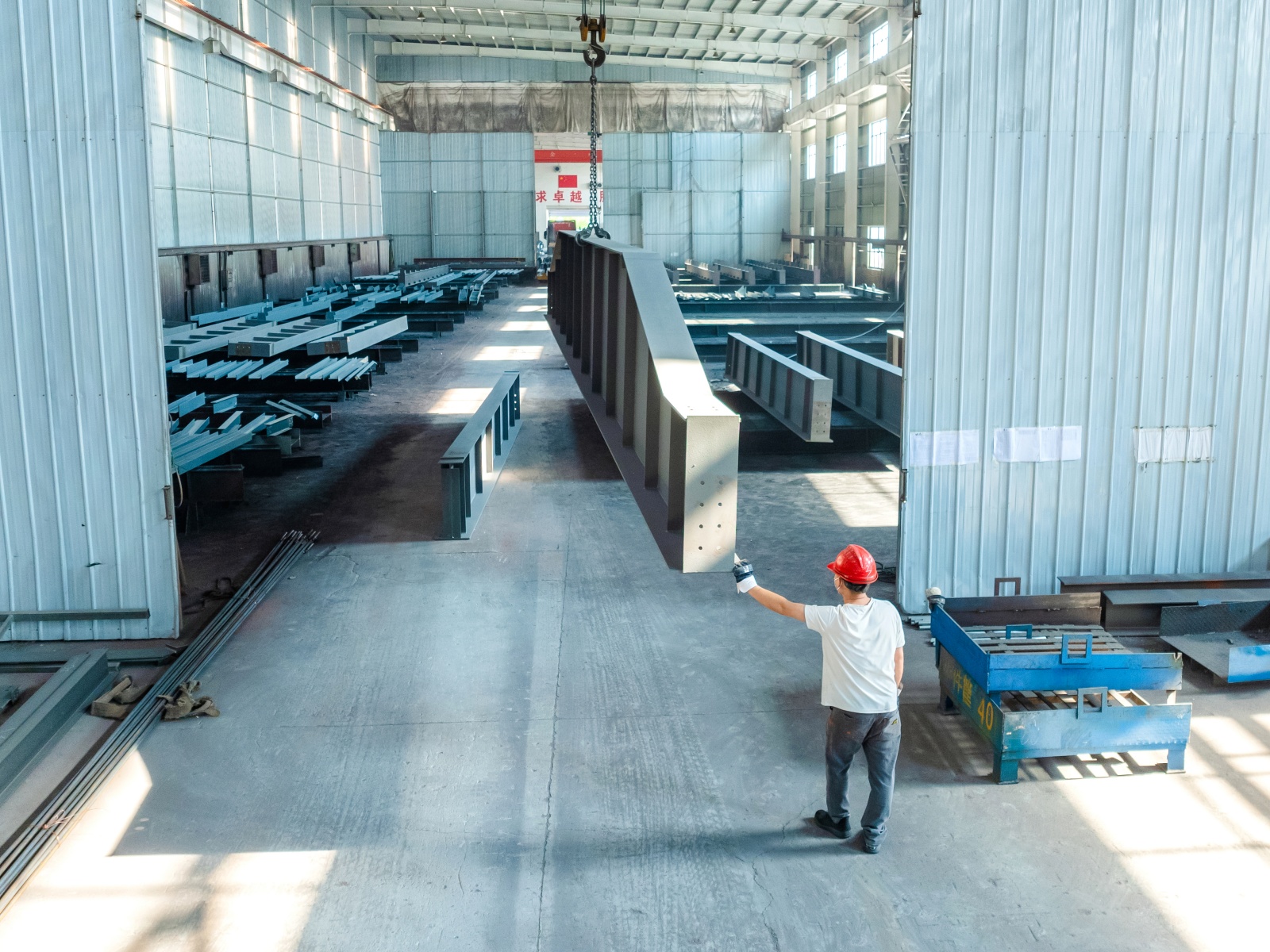
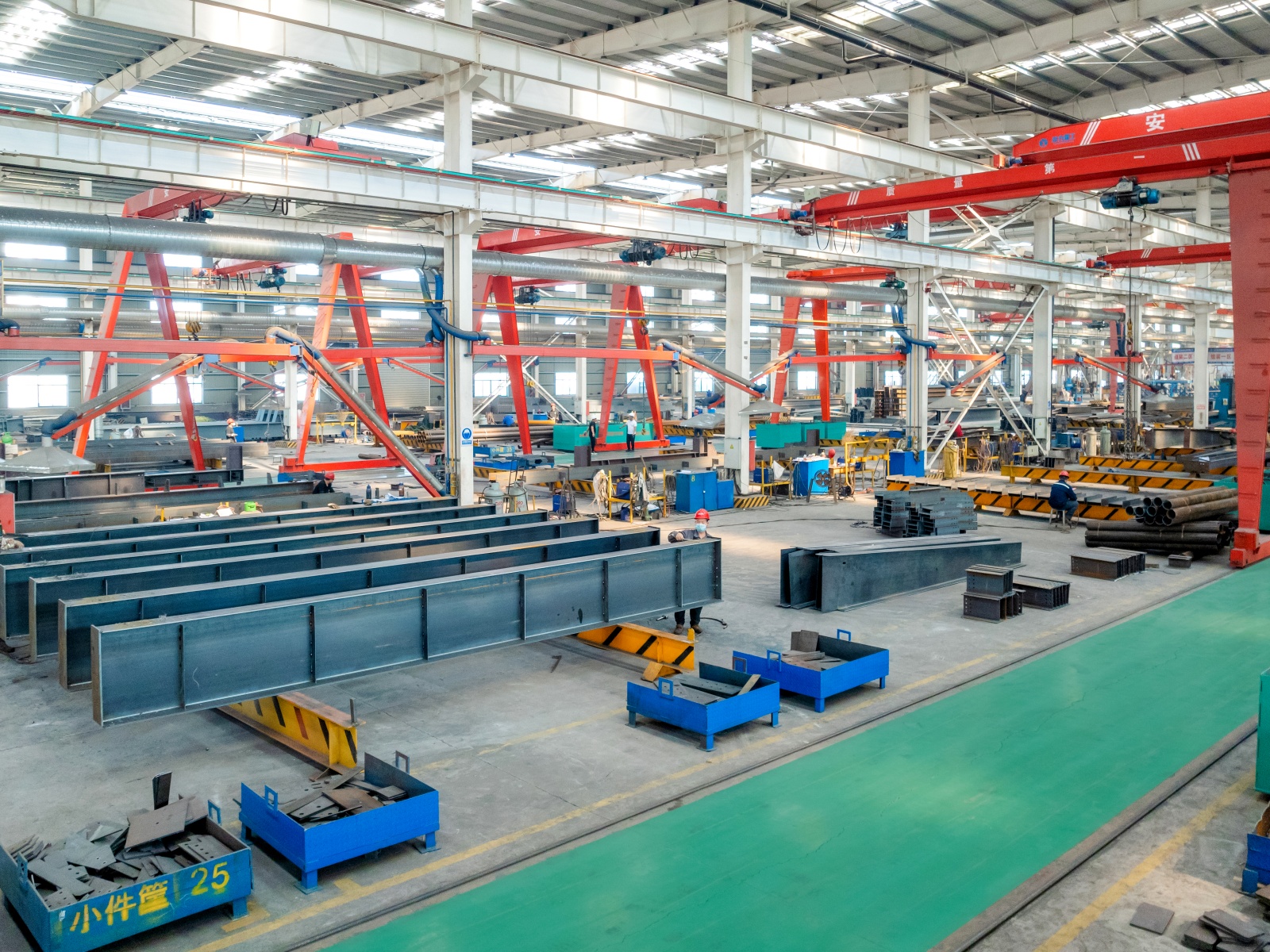
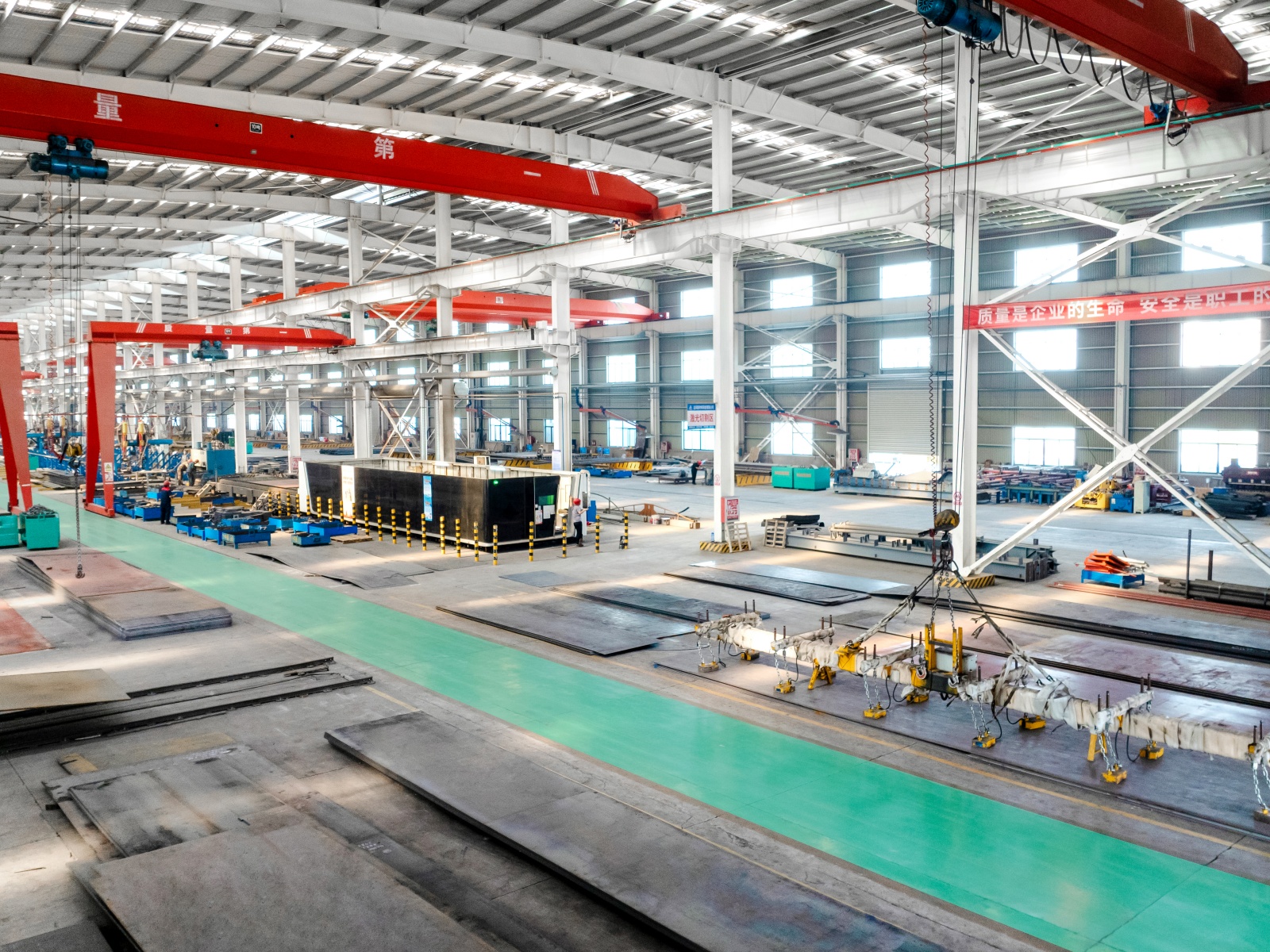
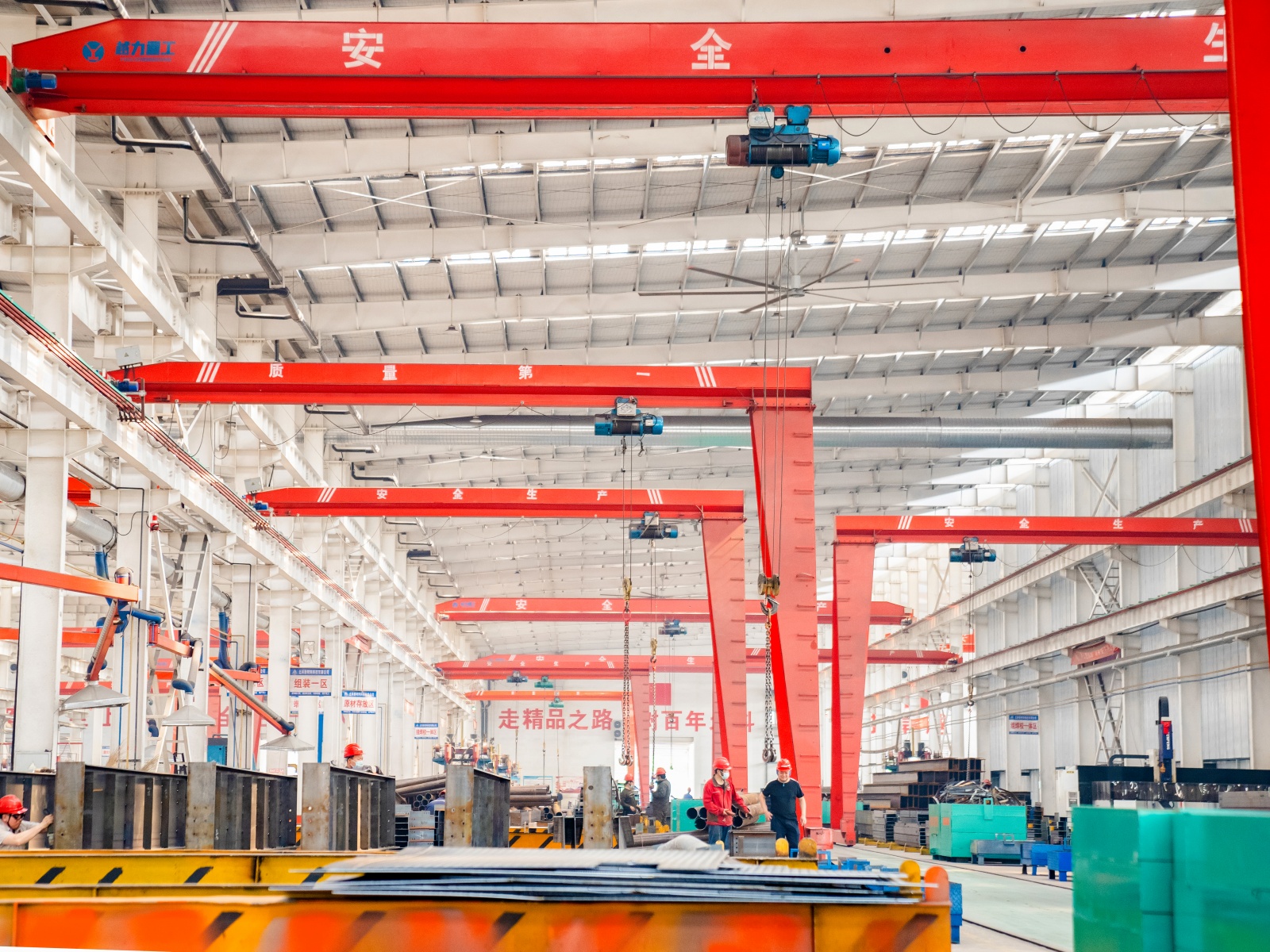
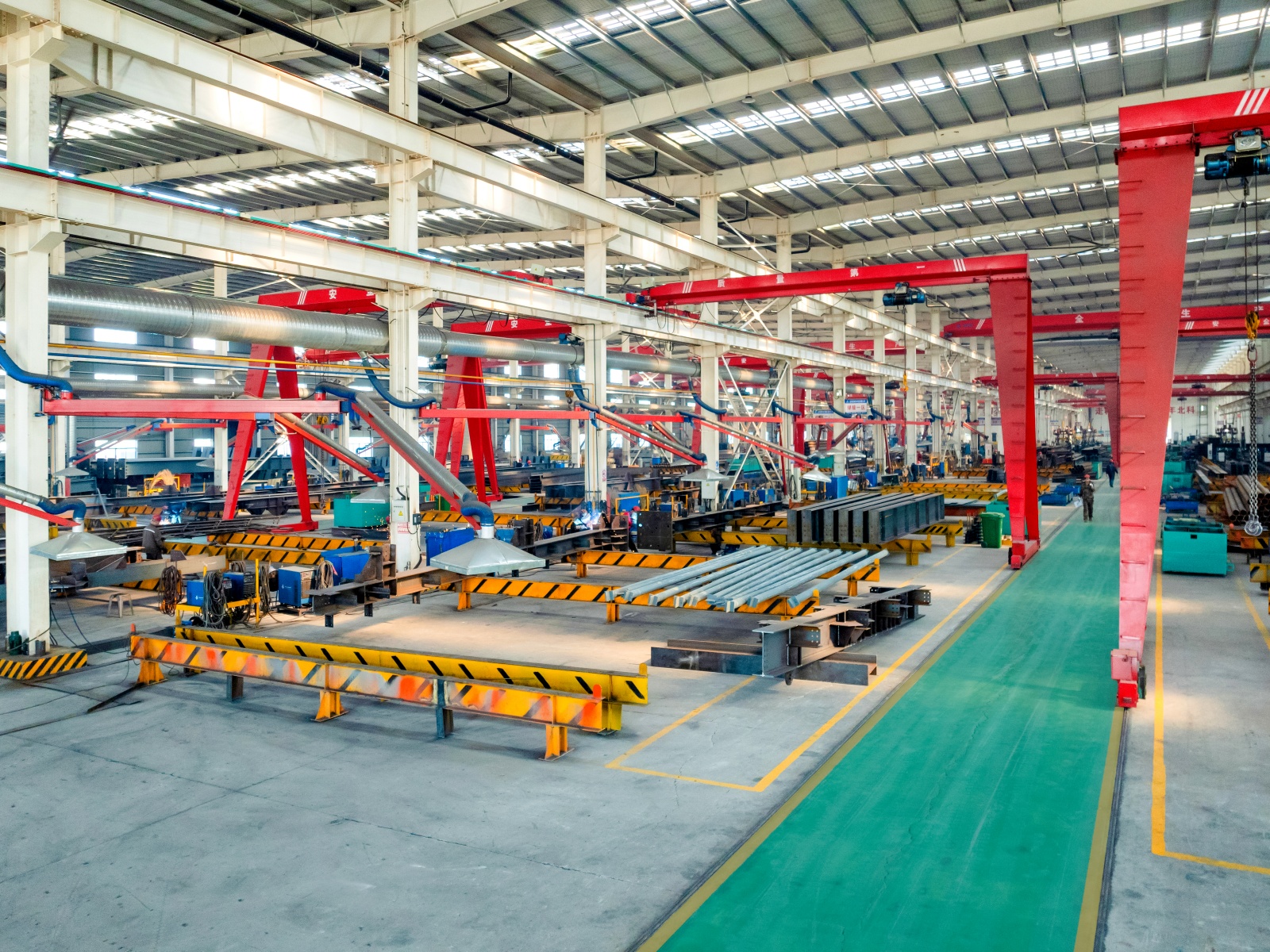
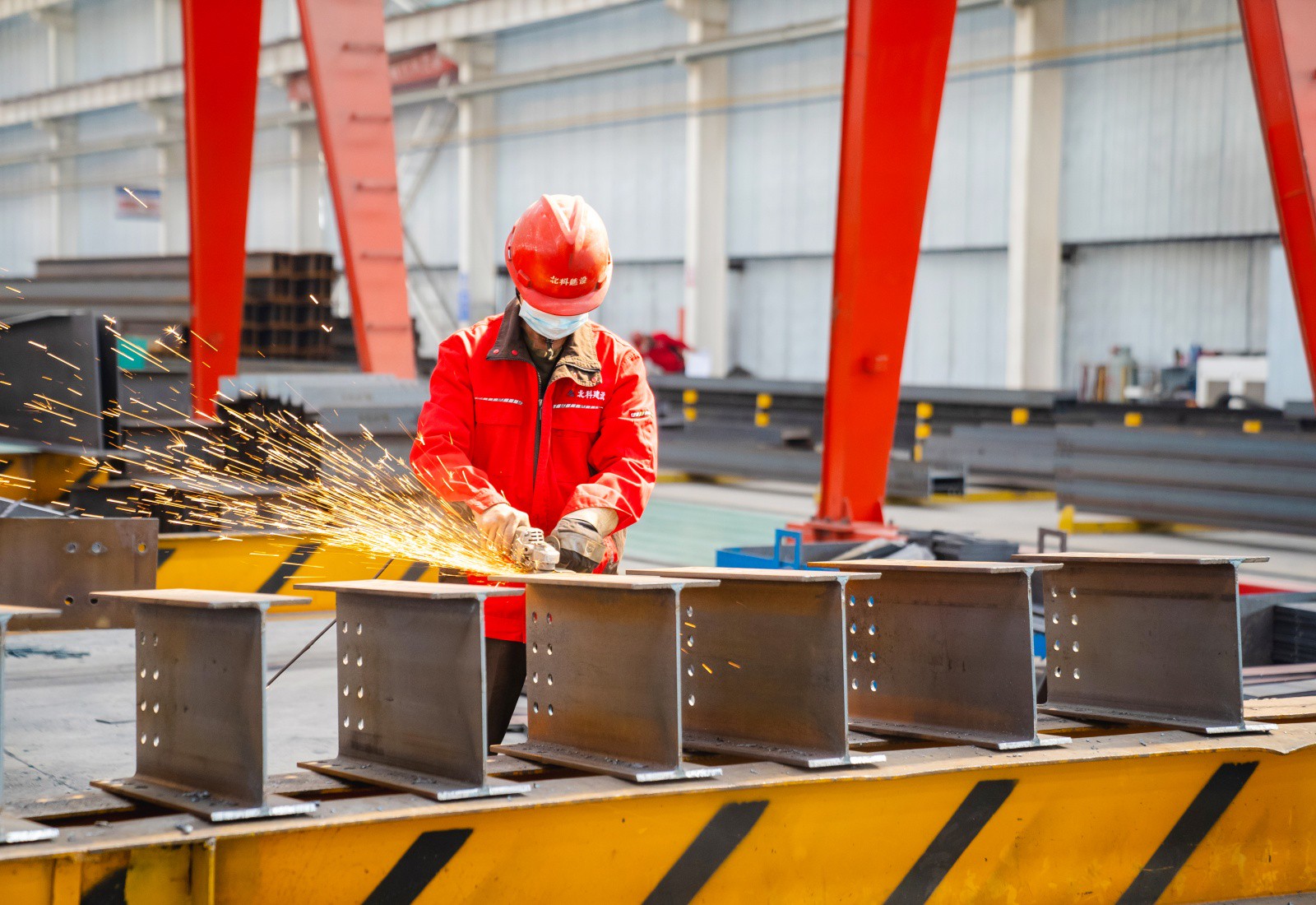
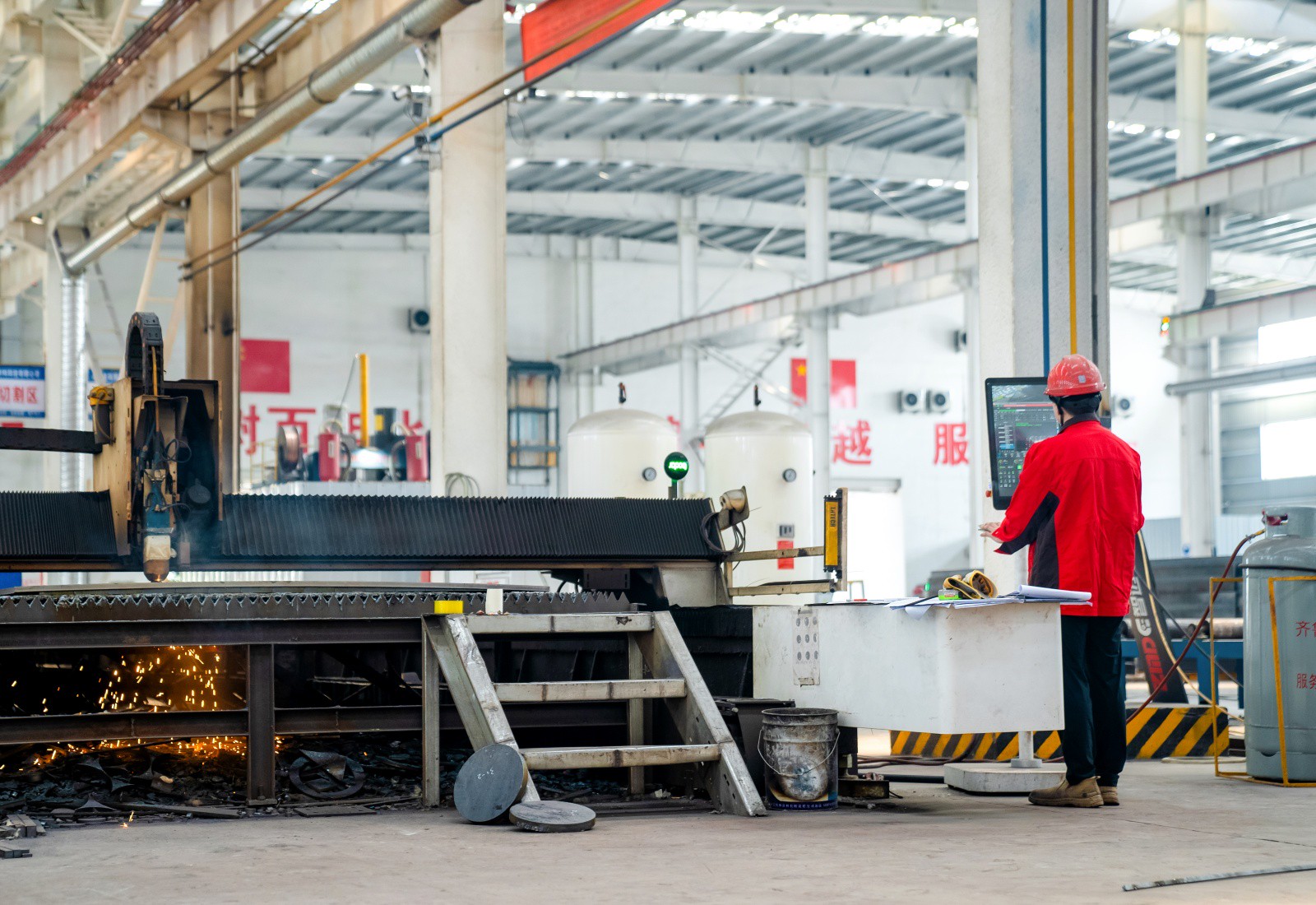
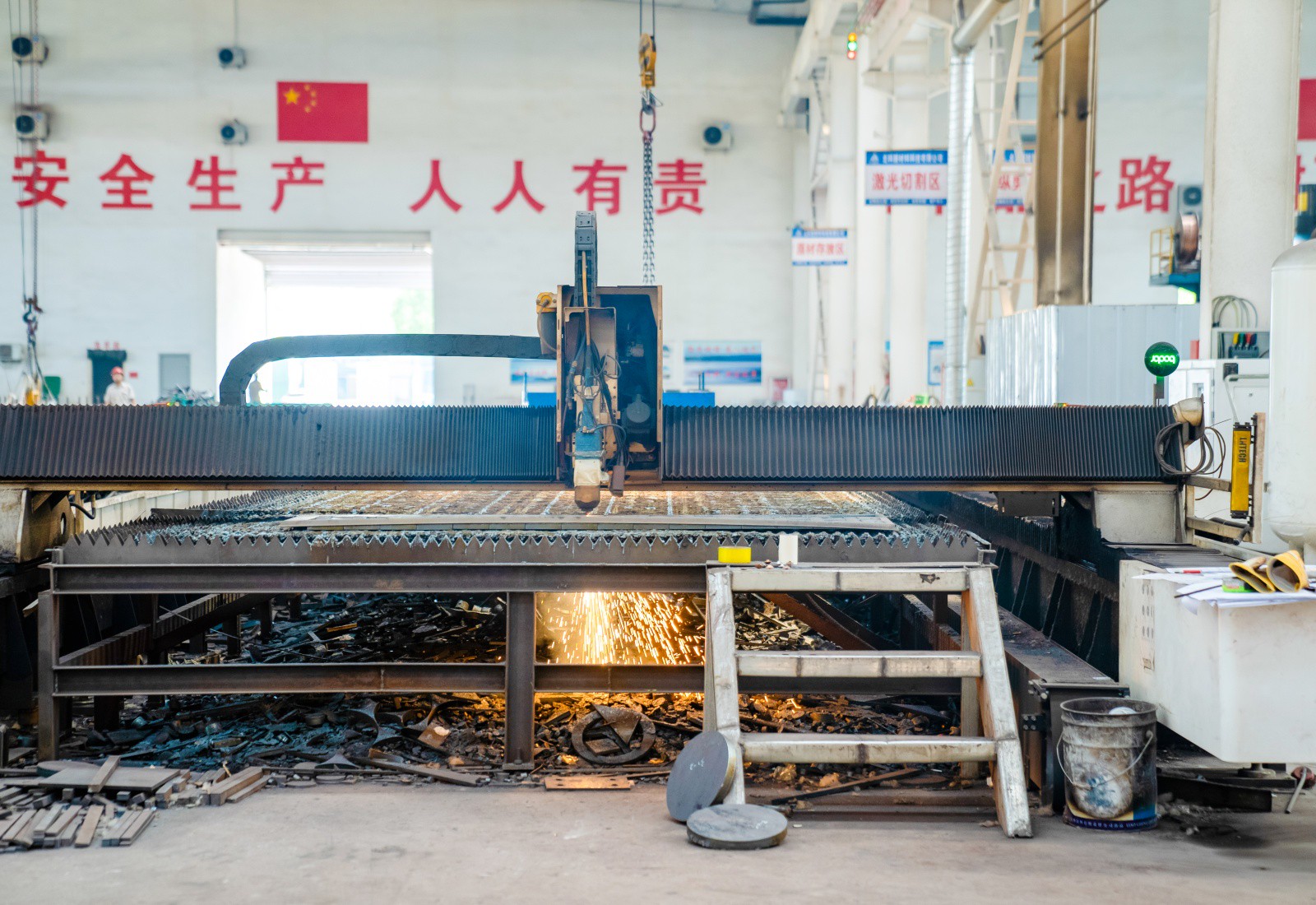
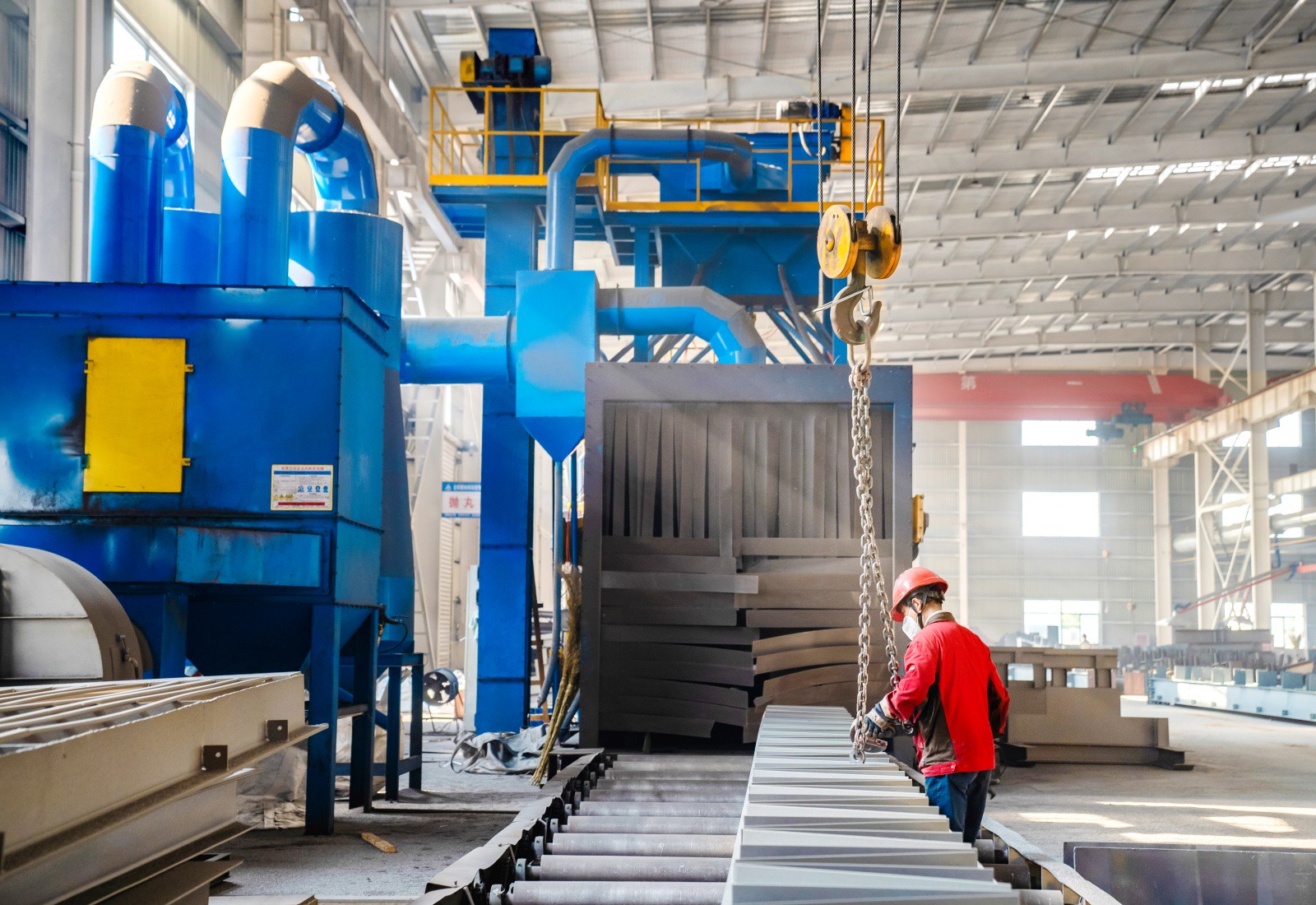
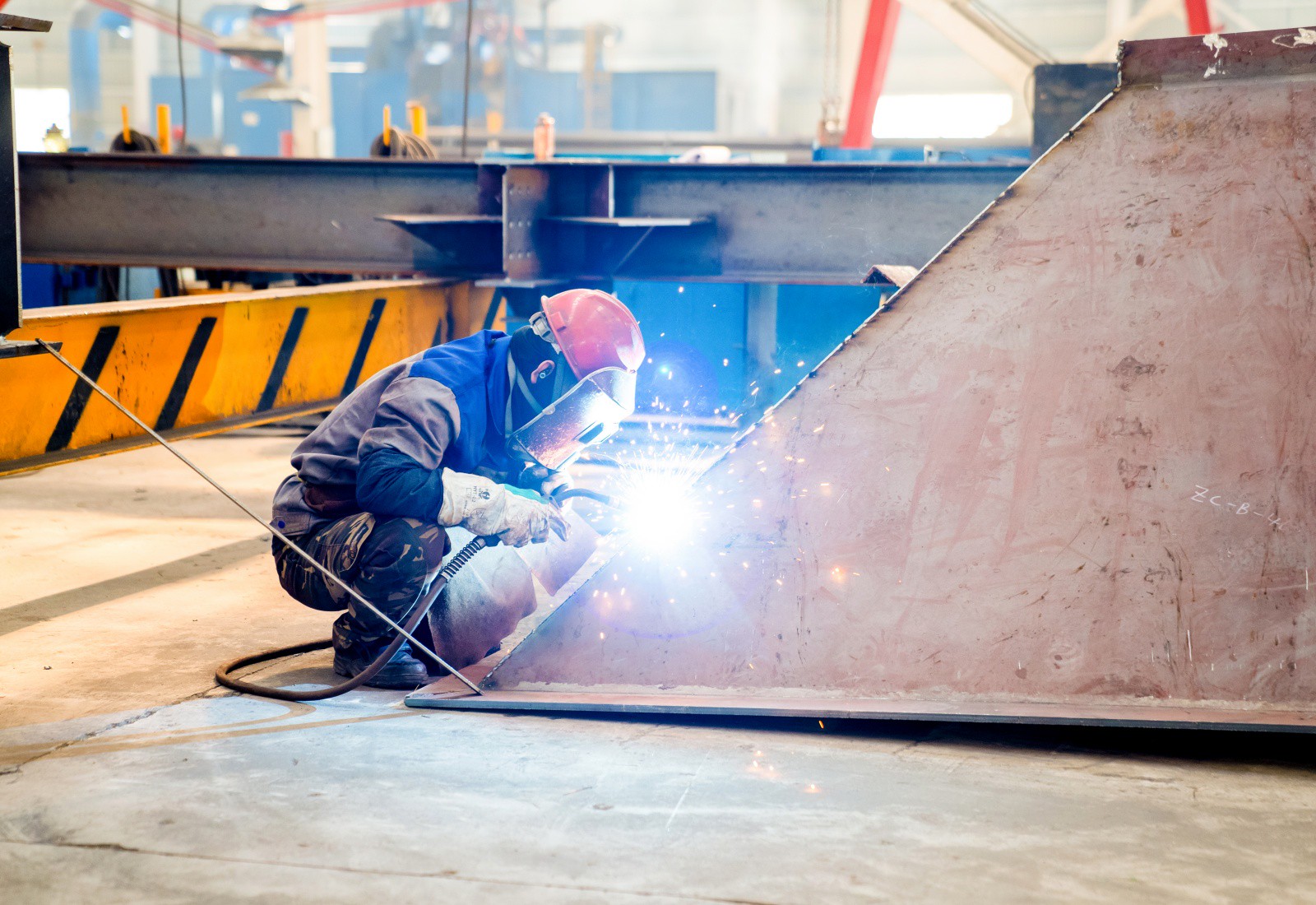
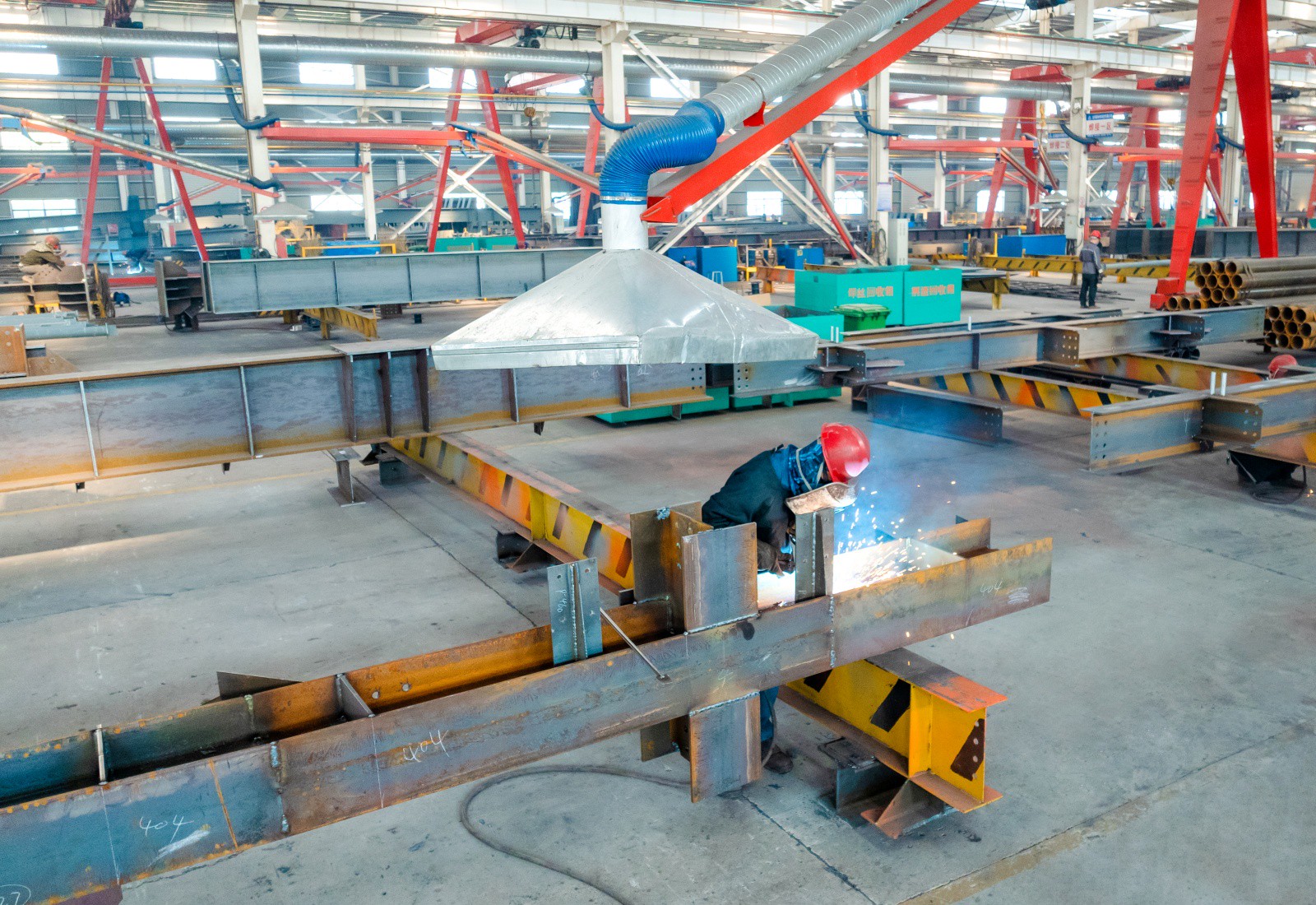
An offshore steel project depends on execution discipline as much as design capability. We operate seven steel structure production lines with an annual production capacity of 50,000 tons of various steel structures, giving us stronger support for heavy fabrication, organized scheduling and quality consistency.
Our engineering background extends beyond standard workshops or warehouses. We have experience in complex steel structures, space steel structures, smart logistics systems, coal chemical and new energy steel structures, nuclear power projects and overseas engineering projects. This broader experience strengthens our ability to handle projects where structural complexity, equipment interfaces, schedule pressure and delivery organization all matter at the same time.
We can help you avoid a common offshore risk: choosing a team that can fabricate individual members, but cannot sustain the execution discipline required for a real marine or offshore platform project.
Offshore projects become difficult when the structure is broken into disconnected packages. One team handles the deck framing, another handles support steel, another handles module interfaces, and someone else later manages packing and delivery. The result is often interface confusion, delayed clarification and hidden execution cost.
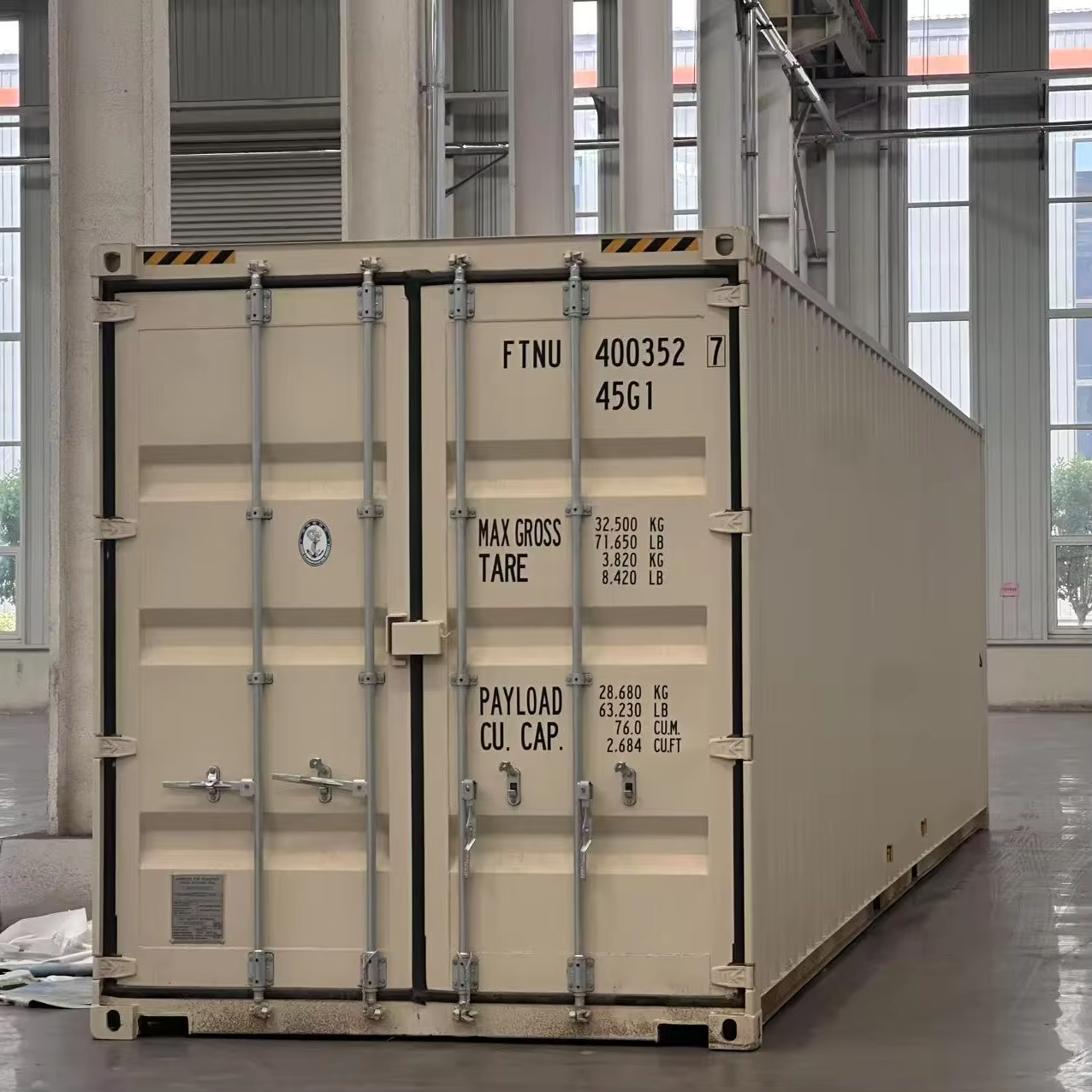
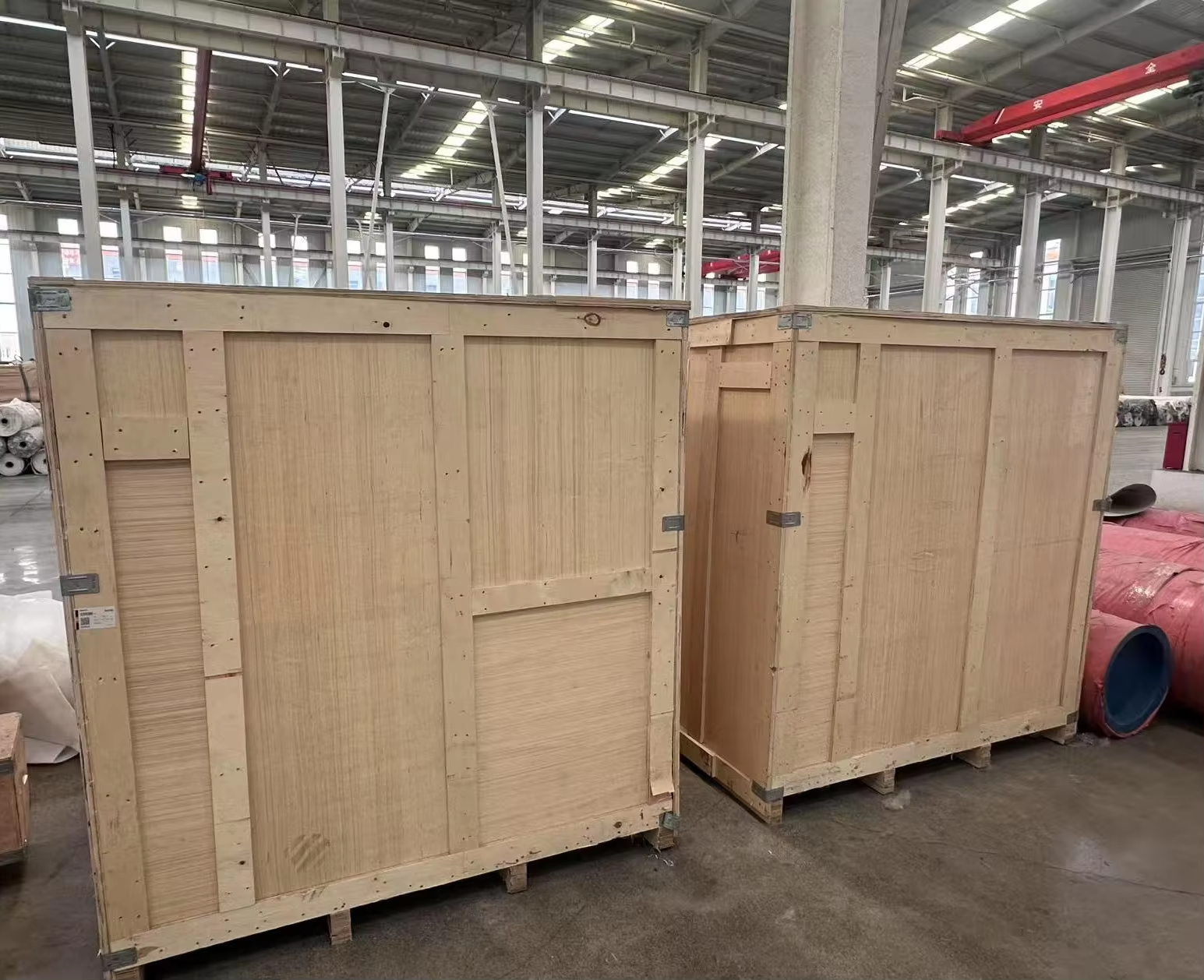
We provide a one-stop workflow that connects technical communication, structure planning, node detailing, fabrication, inspection, packing and delivery follow-up into one organized chain. We can help you simplify project management, reduce interface loss and keep the structural logic more consistent from early technical discussion to shipment.
This matters even more offshore than on land because later corrections are usually much more expensive. When the structure is tied to topsides, pipe-support zones, walkways, deck levels, equipment zones and future maintenance routes, early coordination is not optional. We can help you make those relationships visible earlier instead of letting them turn into offshore-stage problems later.
Our Team and All-Day Project Support
Behind every offshore platform steel structure is a team that can keep multiple technical layers moving together. Our technical and project support team includes senior engineers and experienced project personnel who can stay involved in structural communication, drawing confirmation, interface coordination, production follow-up and delivery preparation. This helps maintain continuity in projects where structure, modules, transport and maintenance all interact.
We can help you with all-day project support, especially when the schedule is tight, technical clarification is frequent or cross-border coordination is involved. Instead of leaving key issues waiting between departments or time zones, our team can continue pushing technical and execution matters forward so that important decisions do not stall between stages.
For offshore projects, this kind of support matters because many problems emerge between systems rather than inside one isolated drawing. Stronger follow-up means fewer interruptions and better control over the overall project rhythm.
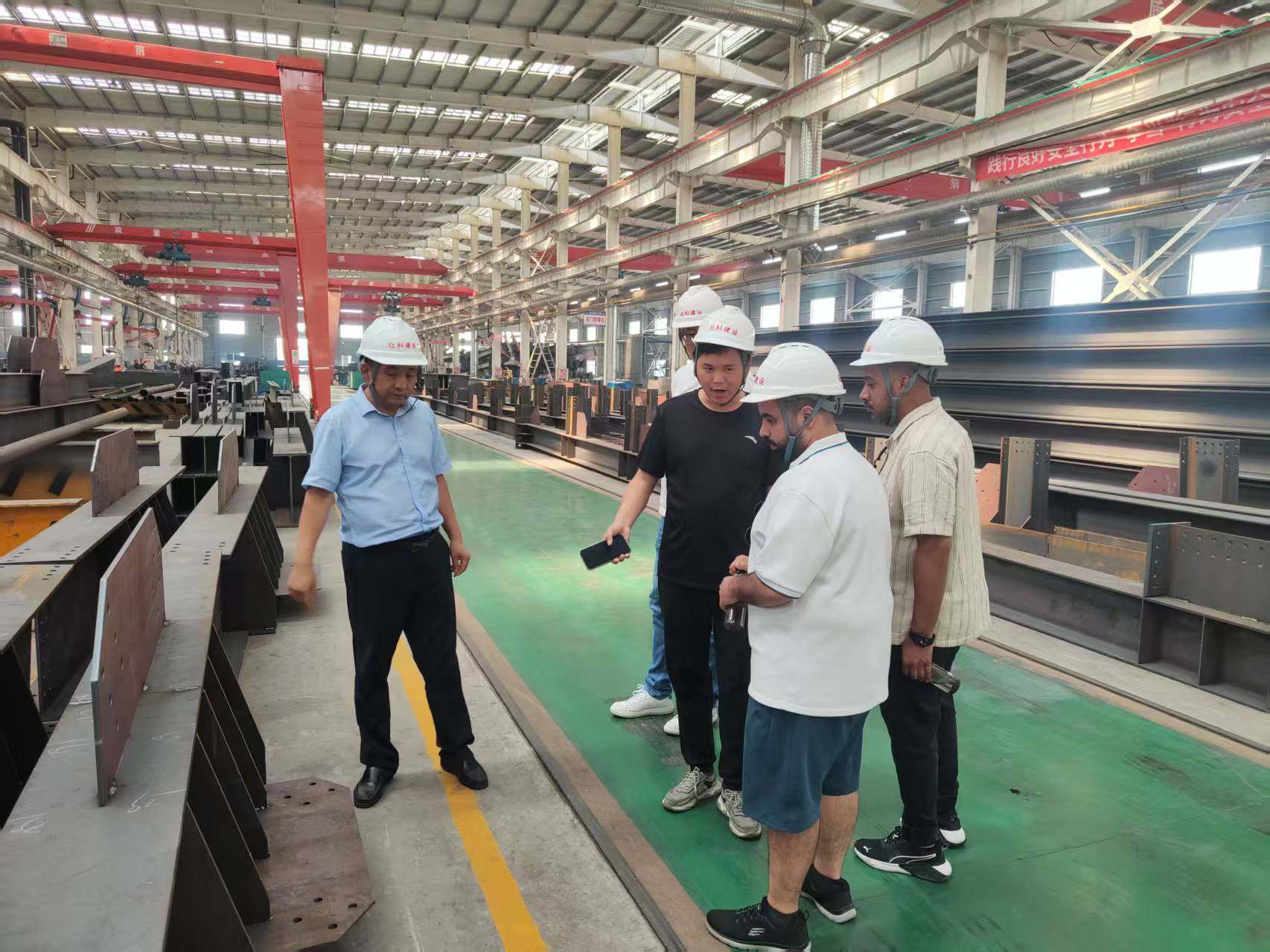
Visit Our Company
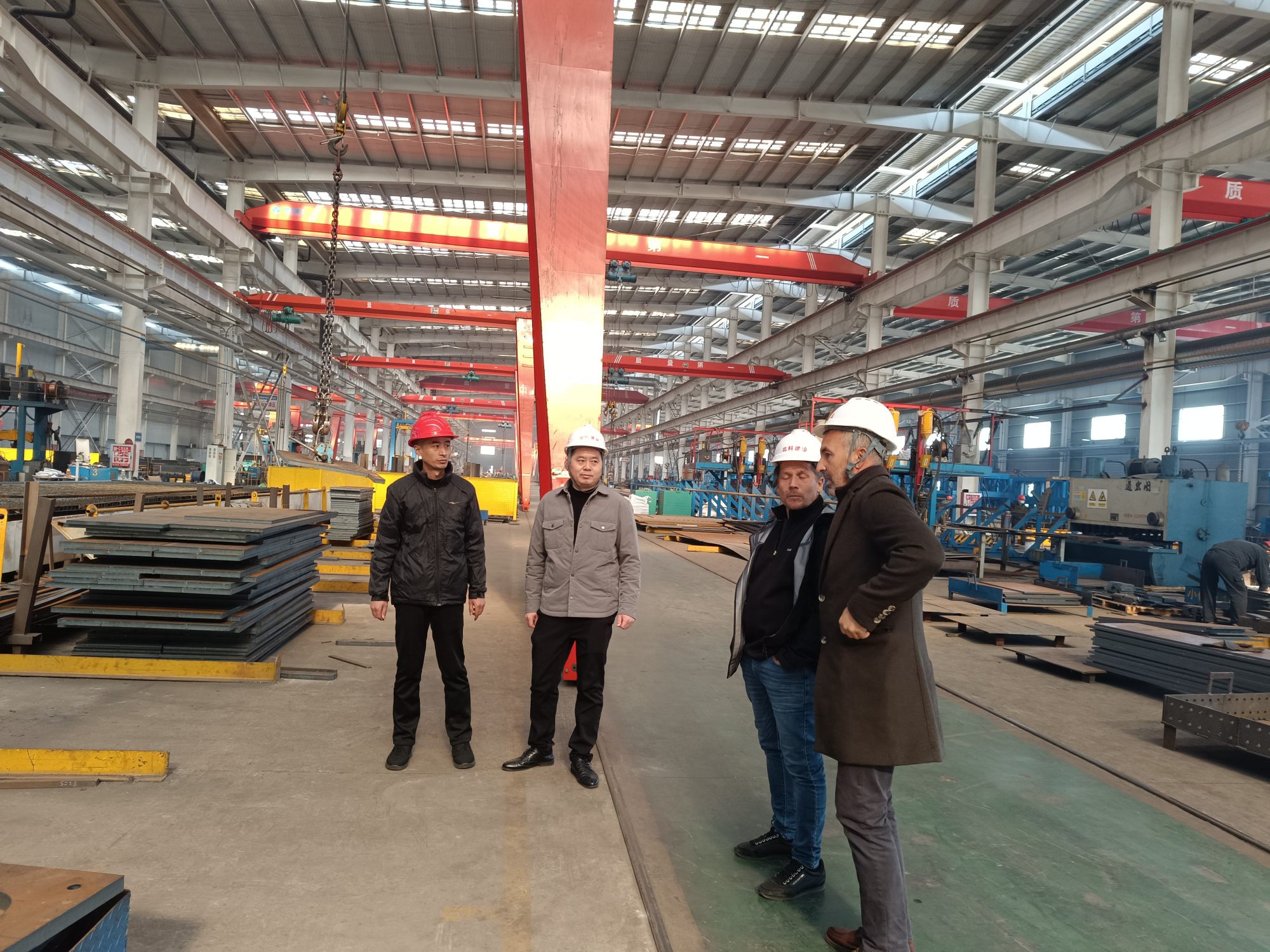
If you would like to understand our fabrication organization, engineering coordination and quality control more directly, you are welcome to visit our company. We can show you our production lines, detailing workflow, quality procedures and how we organize complex and overseas steel structure projects.
A visit also makes project discussion more practical. We can review your offshore layout, deck logic, support requirements, transport segmentation and delivery planning face to face, which helps turn a general discussion into a more executable engineering path.
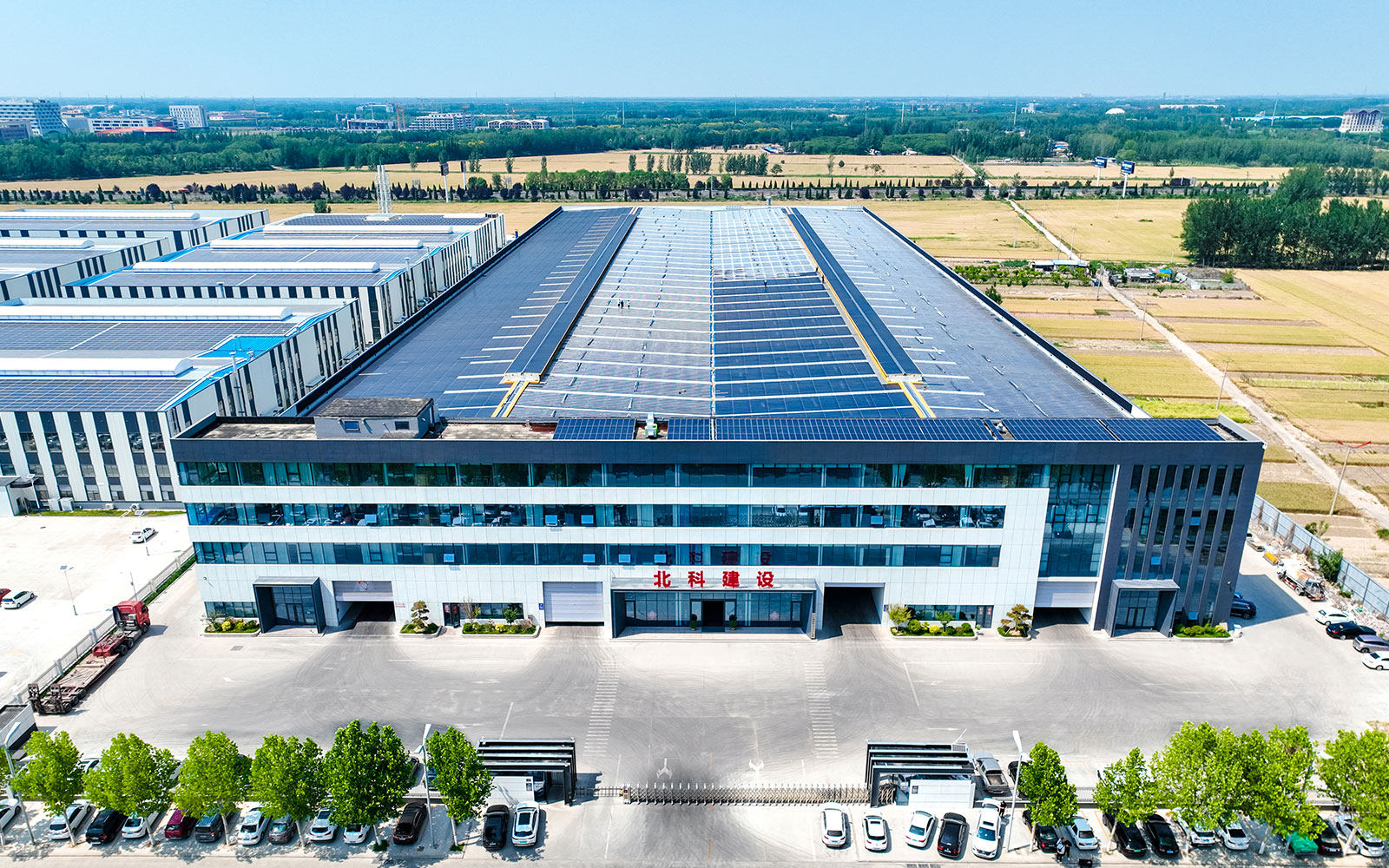
Contact Us Now
If you are planning an offshore platform steel structure project, contact us now. We can help you evaluate a more suitable structural route based on your platform layout, loading conditions, module interfaces, maintenance access and available drawings, and support you from technical planning to fabrication and delivery.
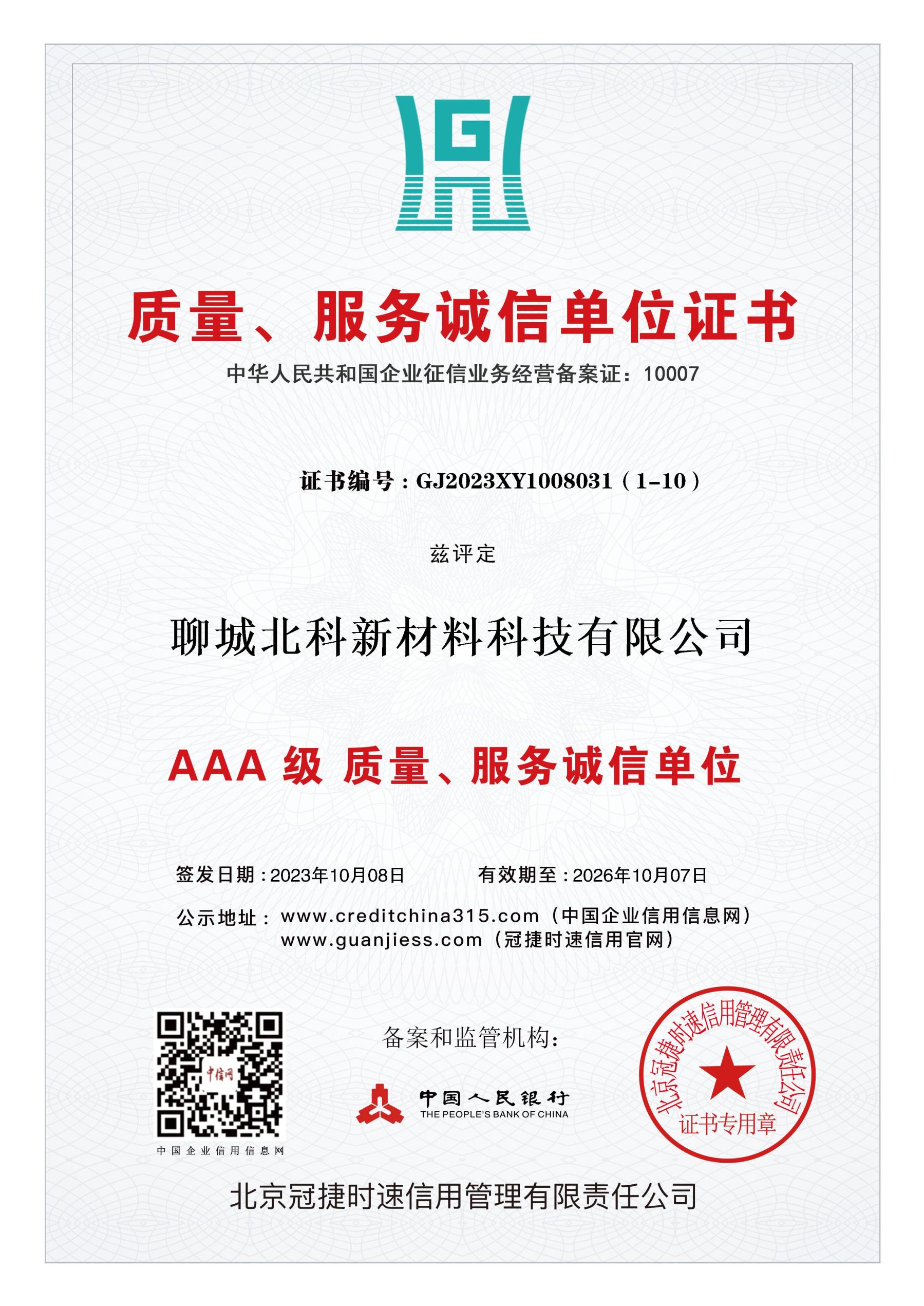
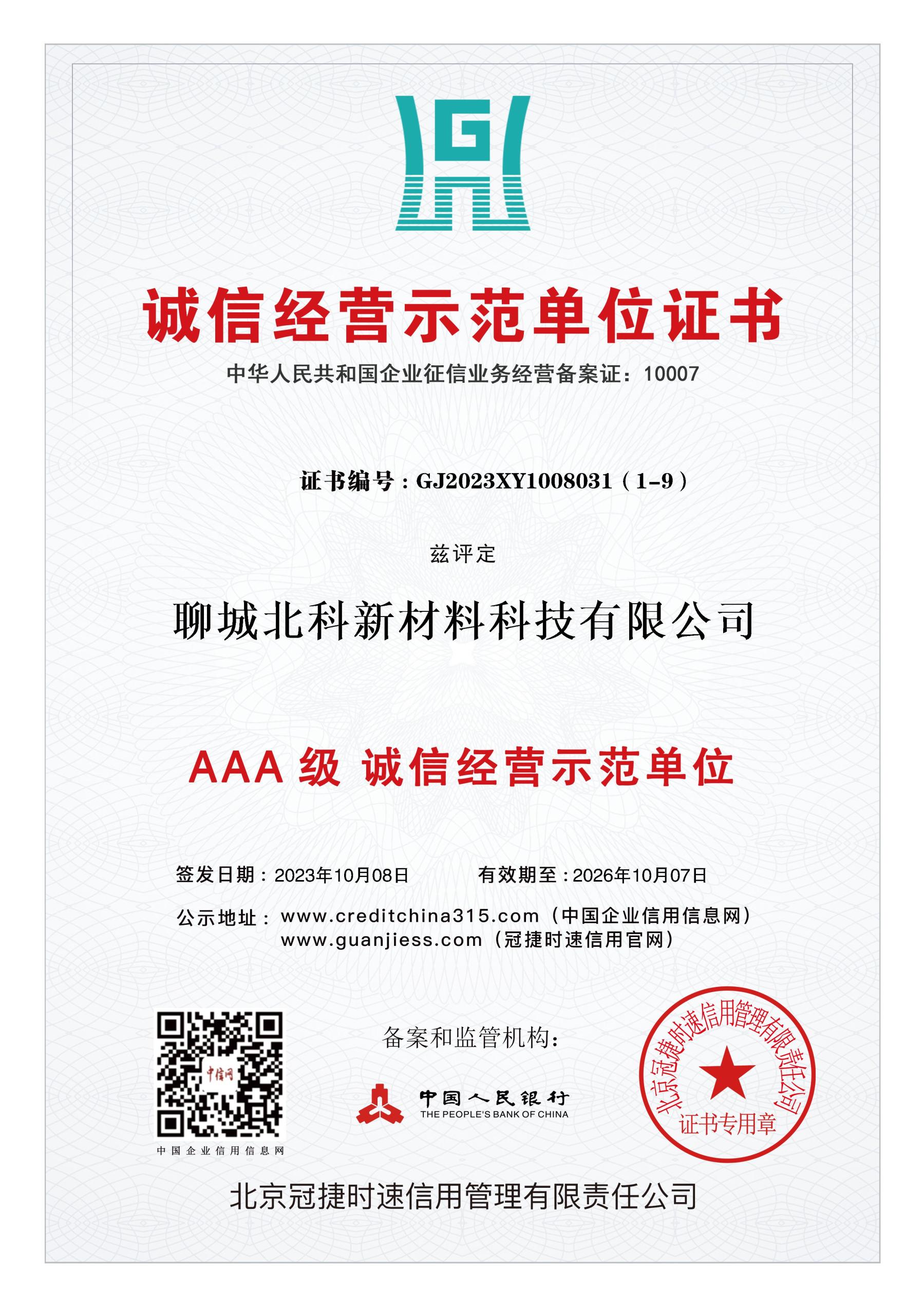
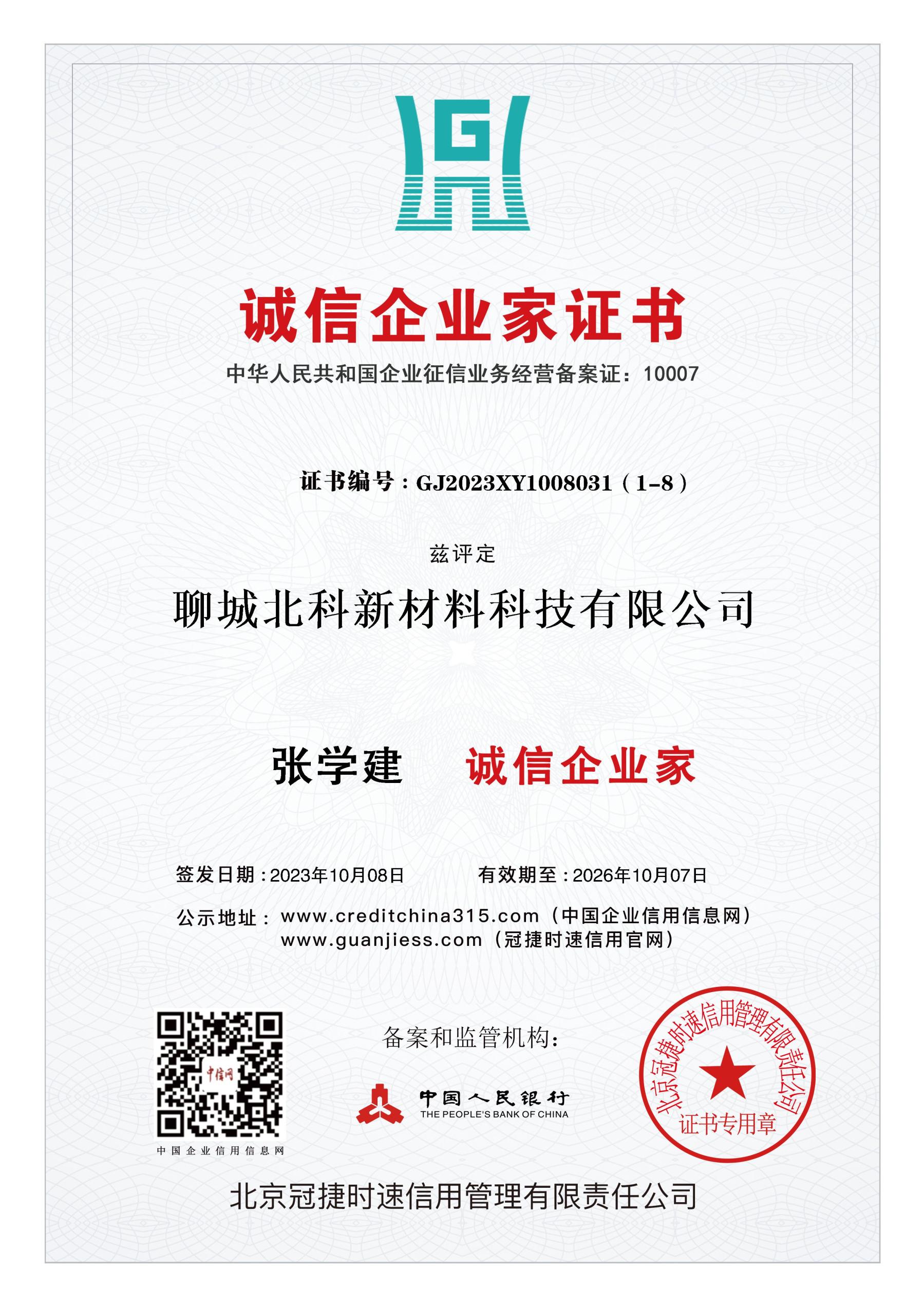
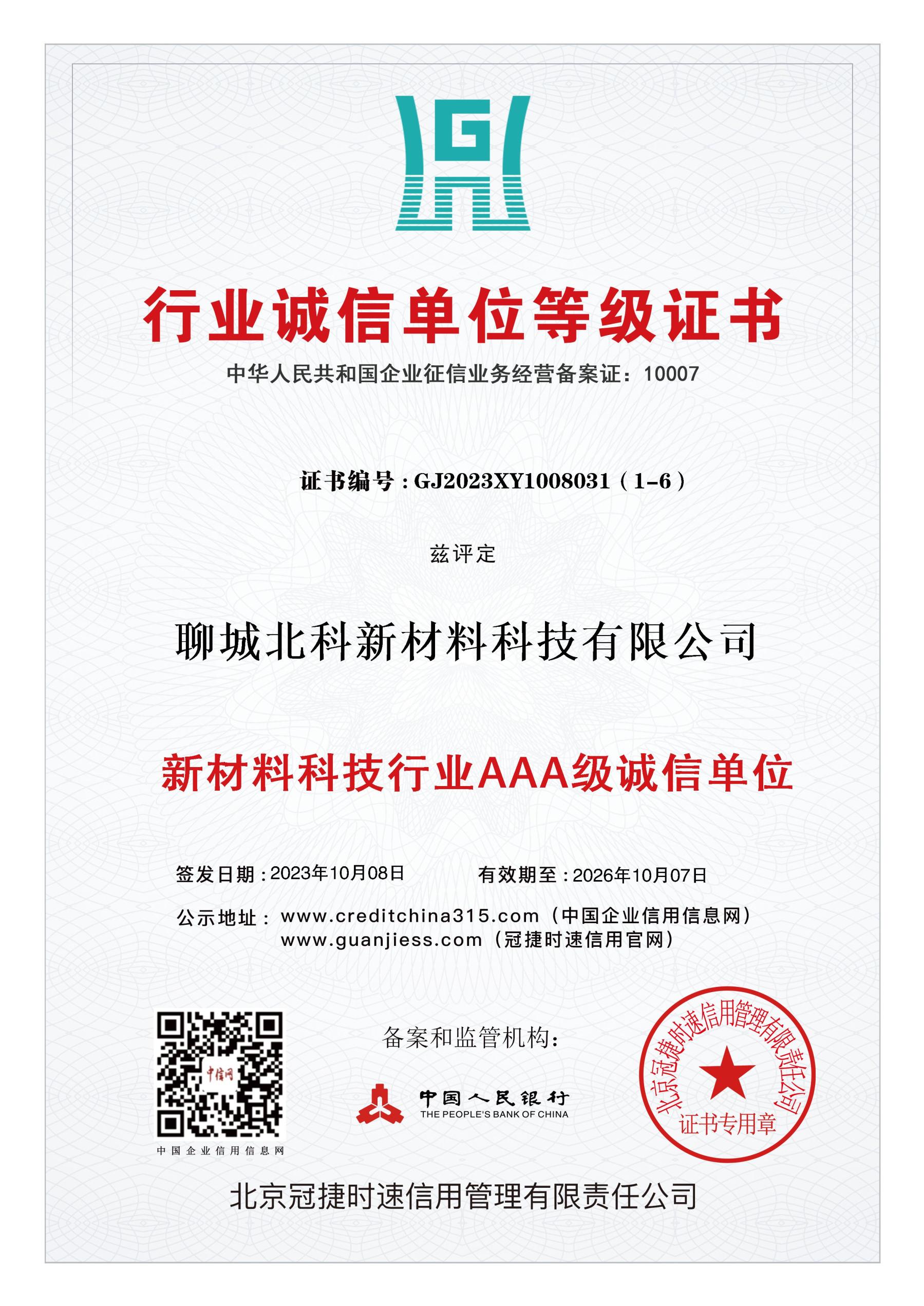
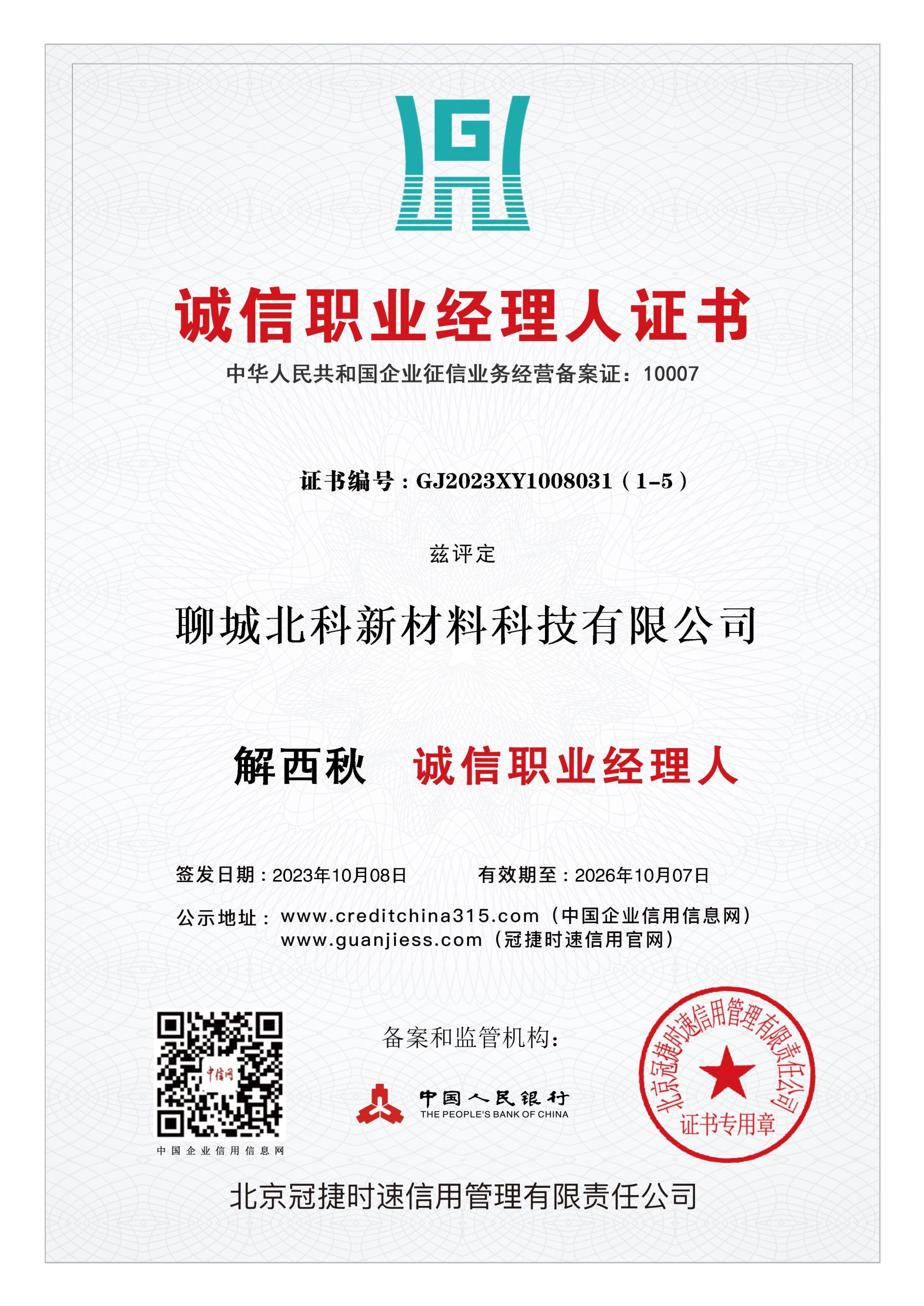
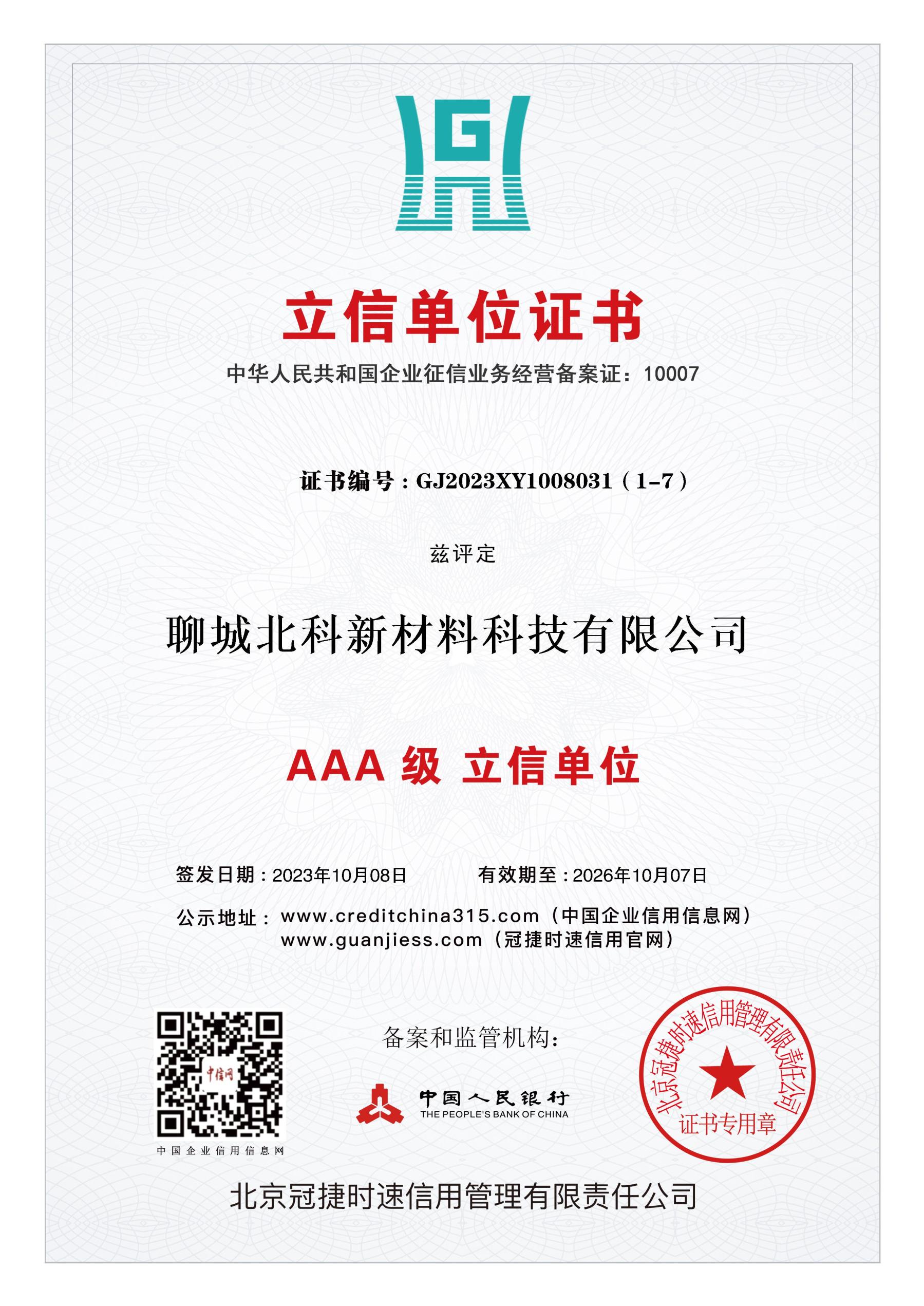
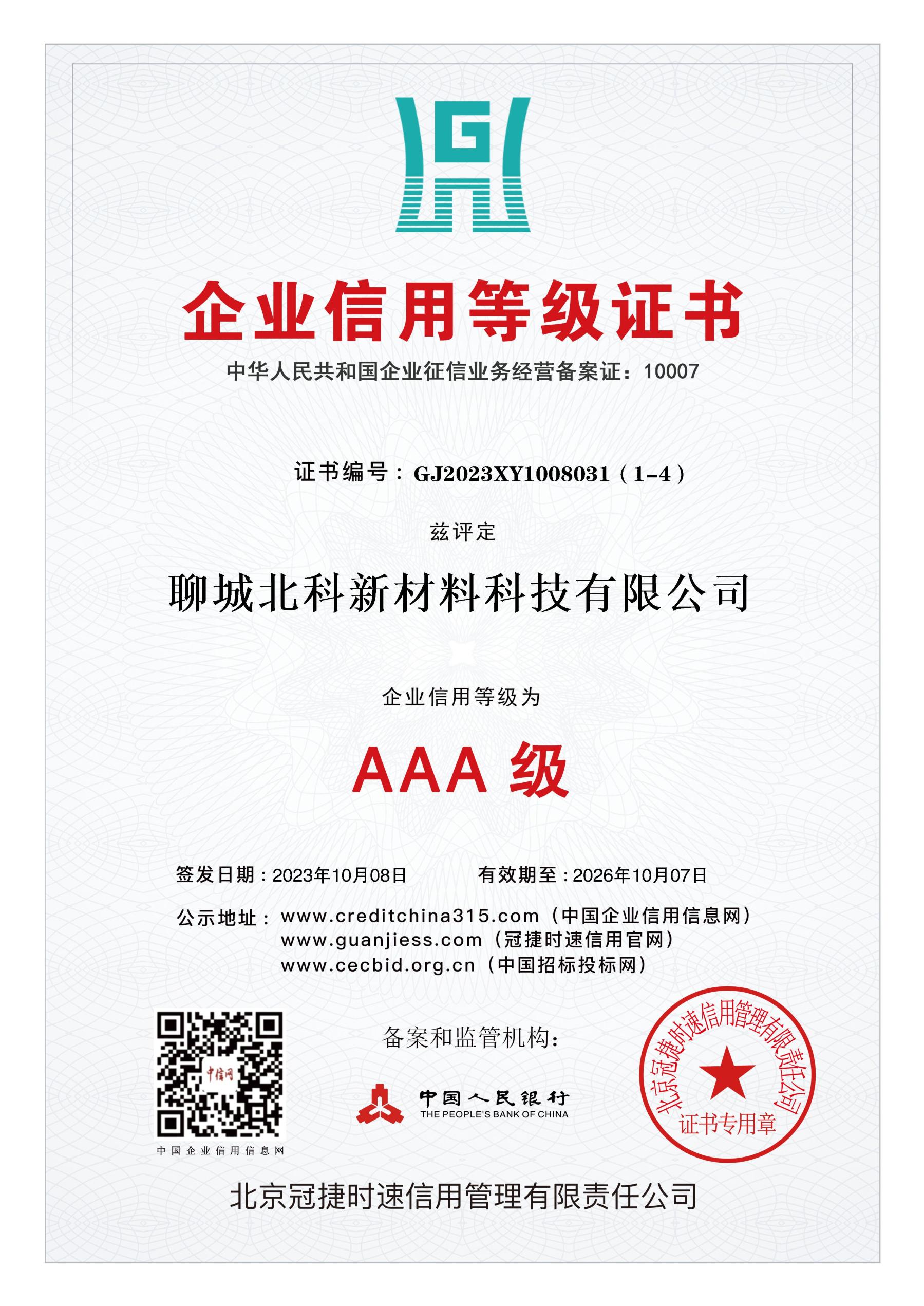
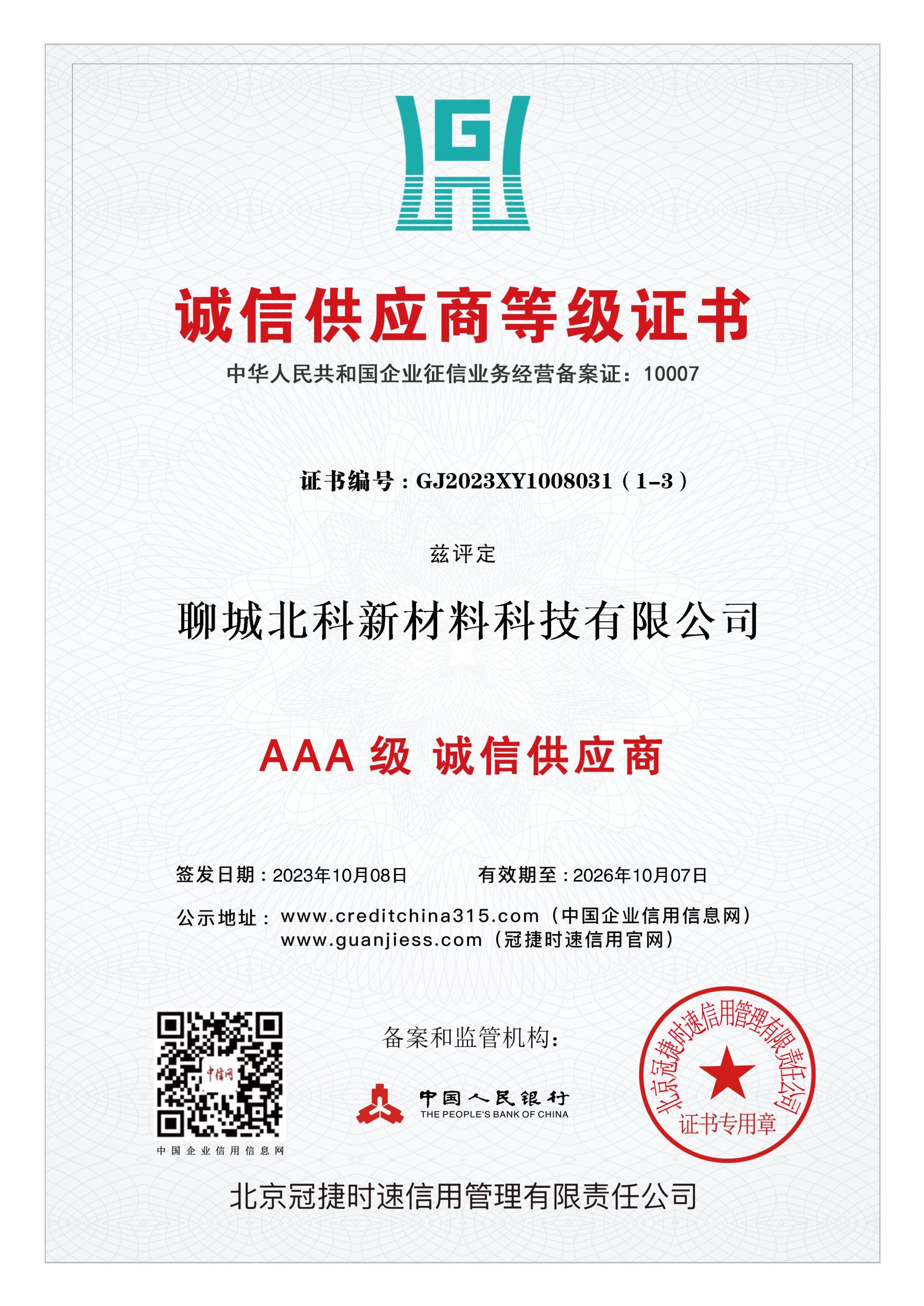
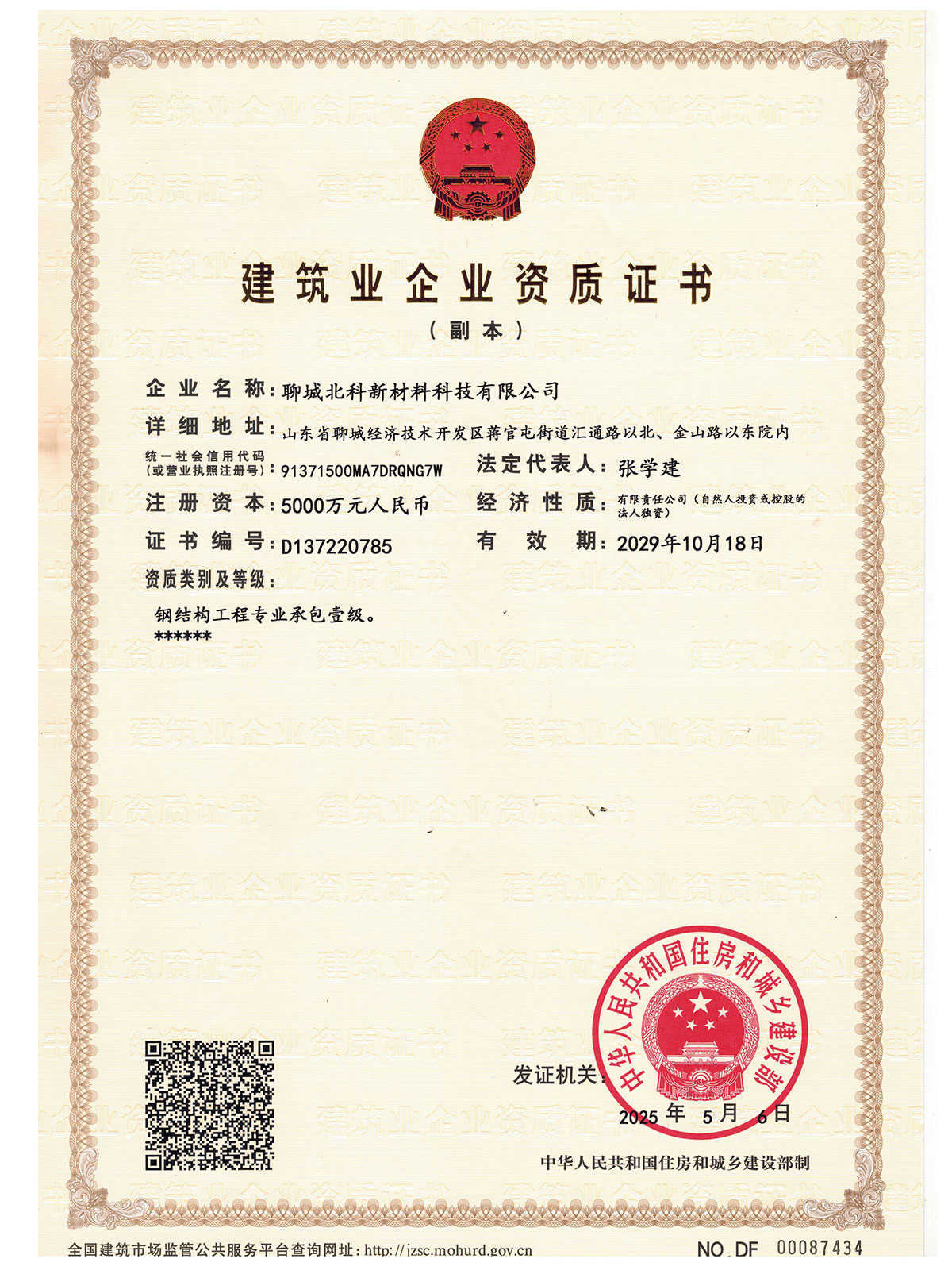
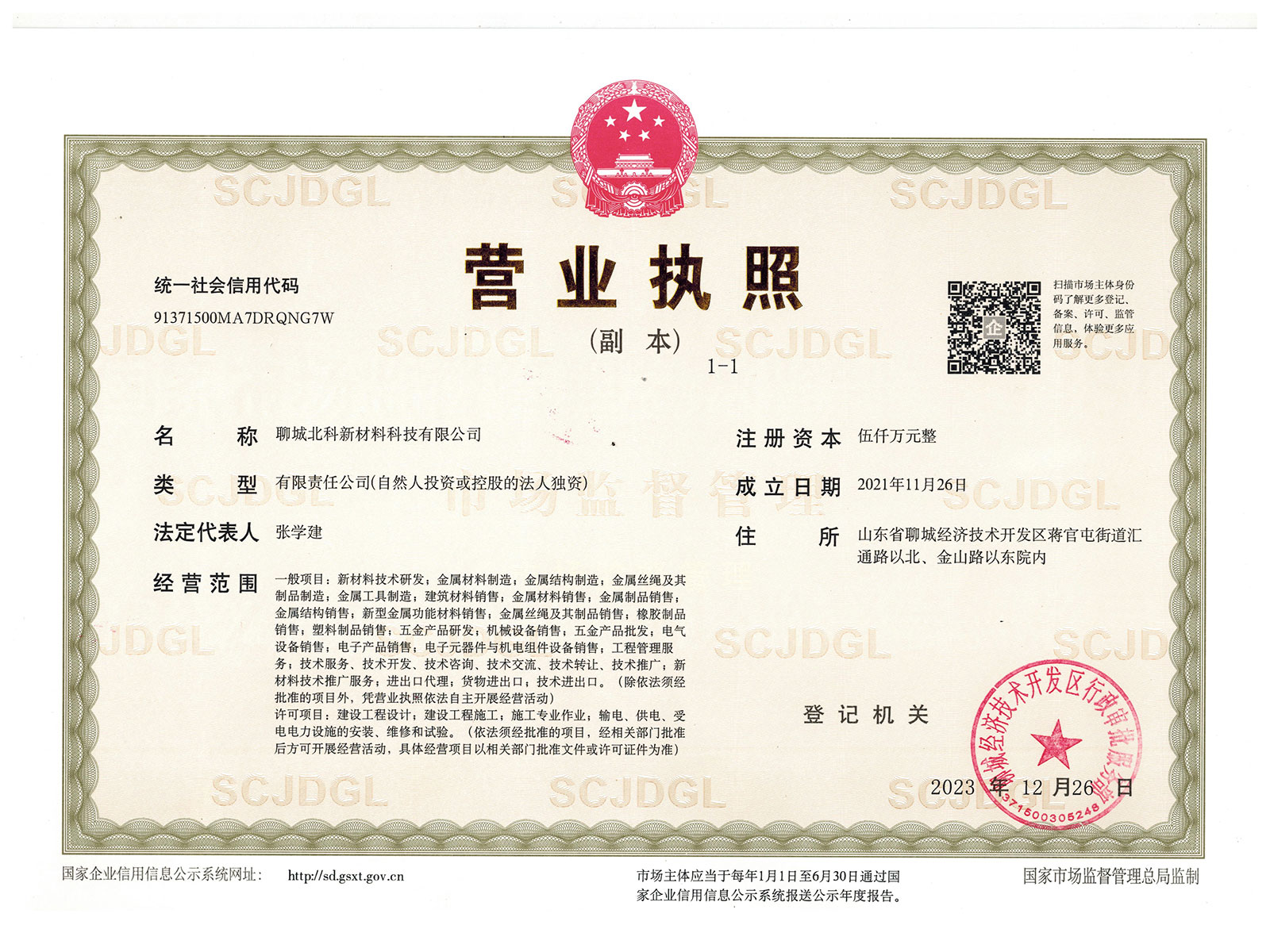
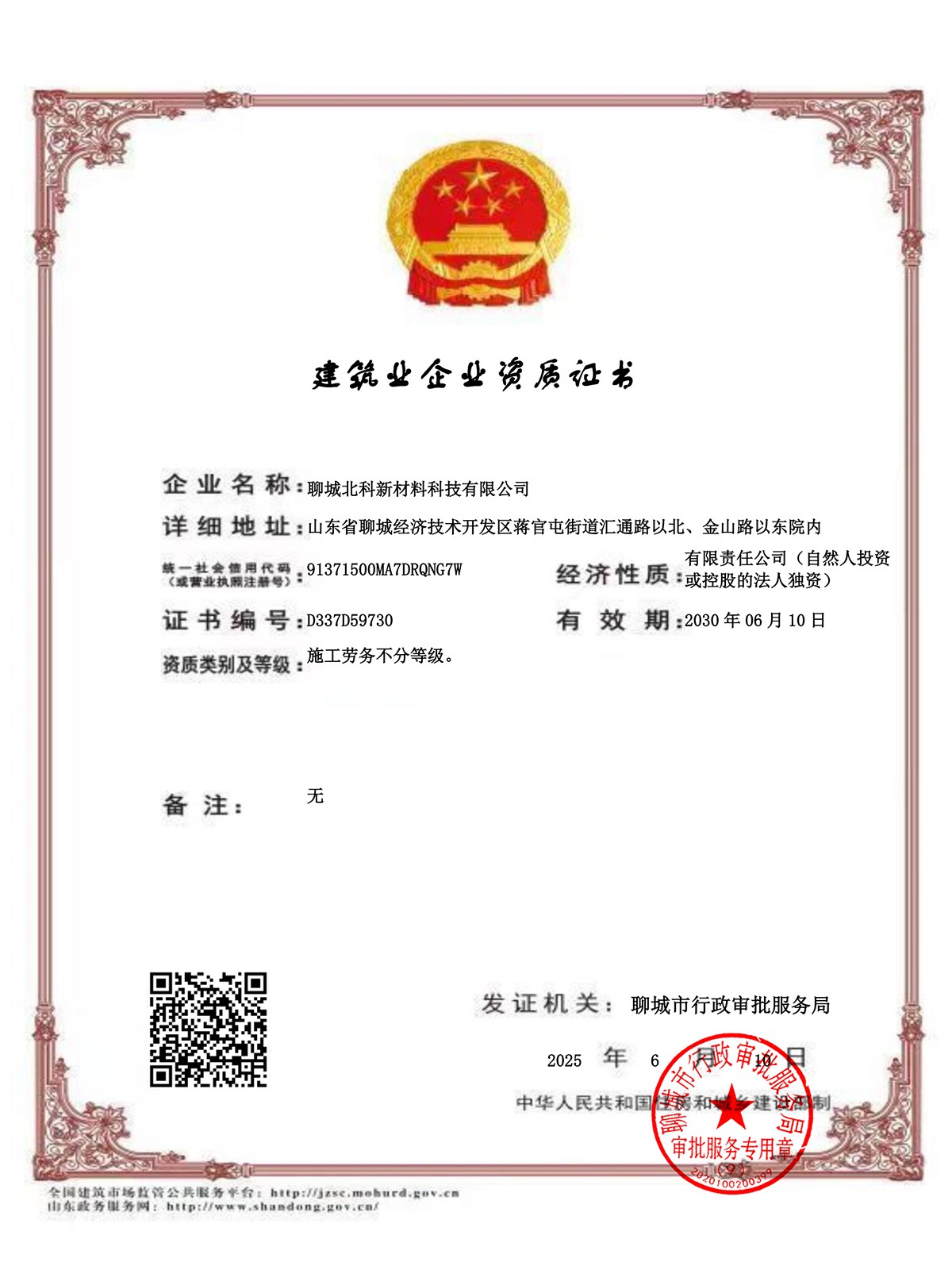
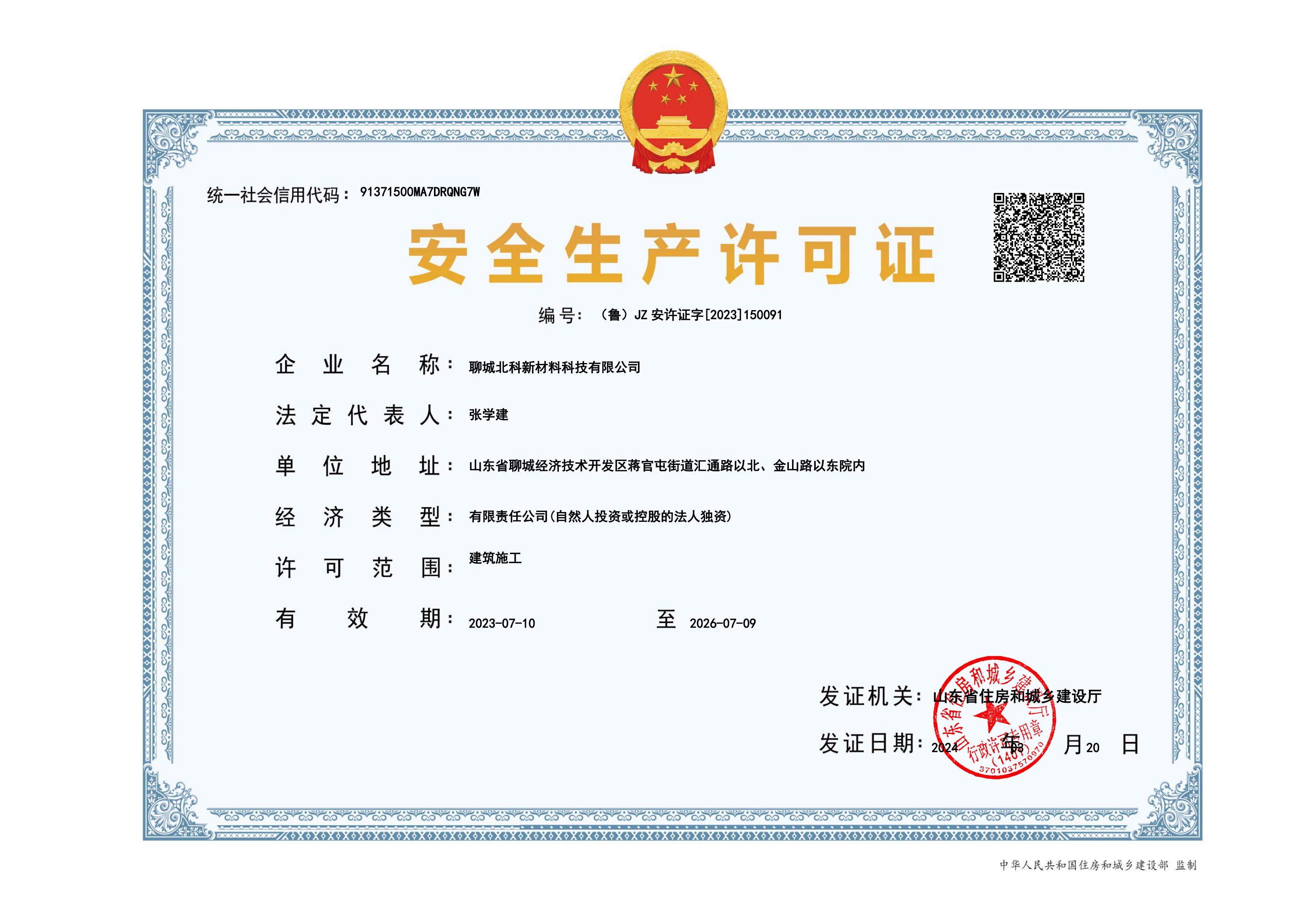
Certificate
Products
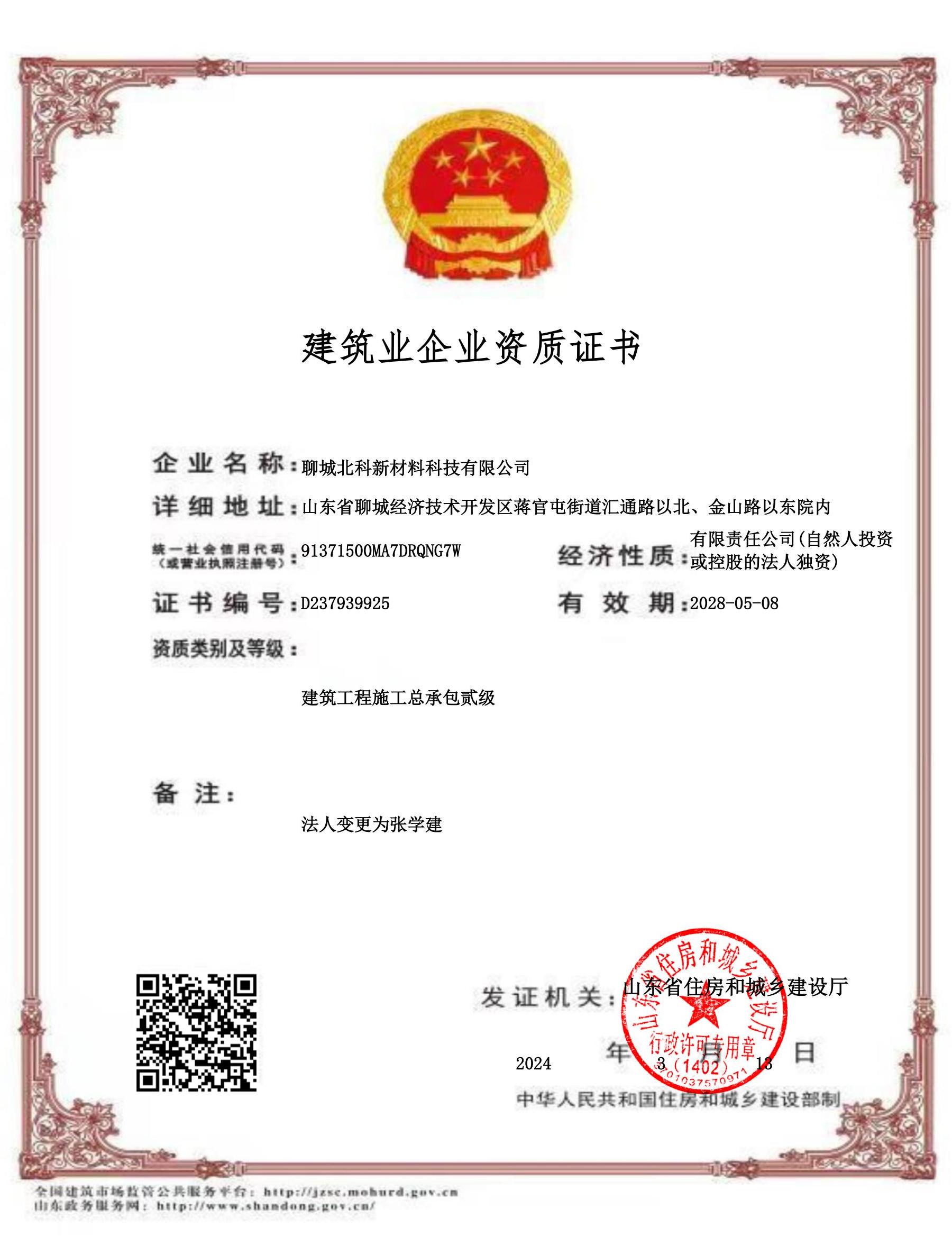
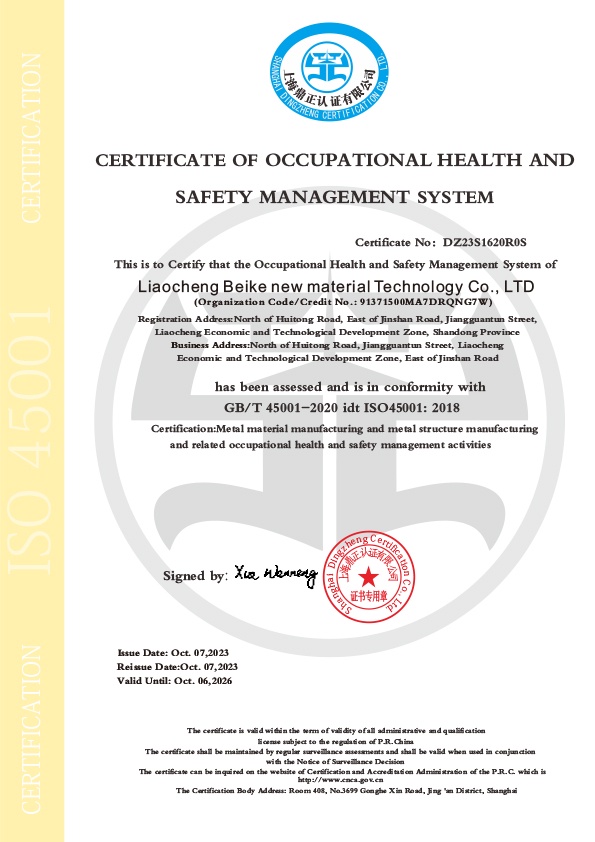
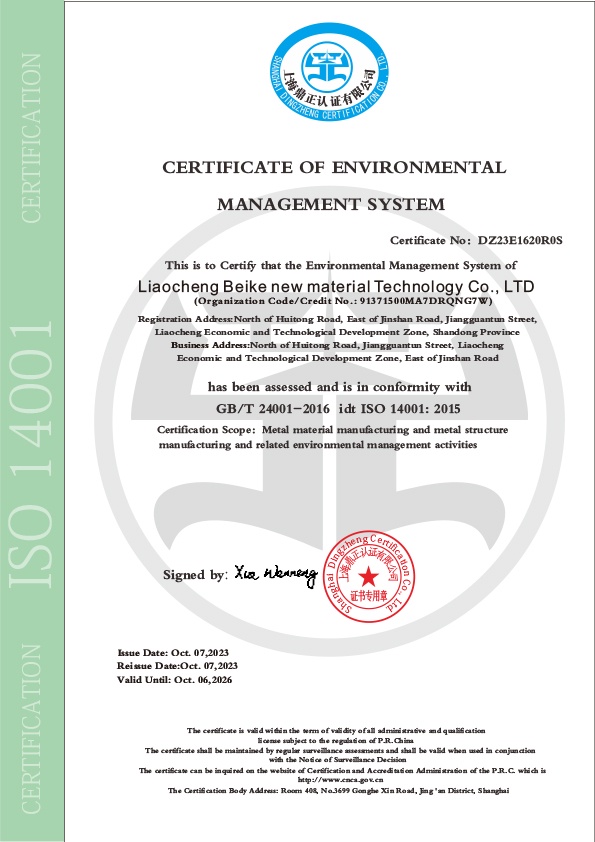
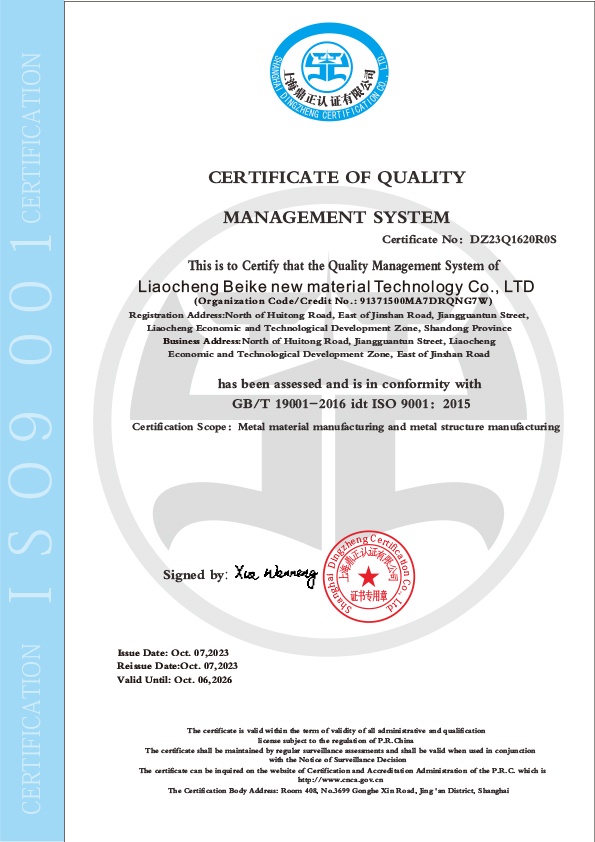
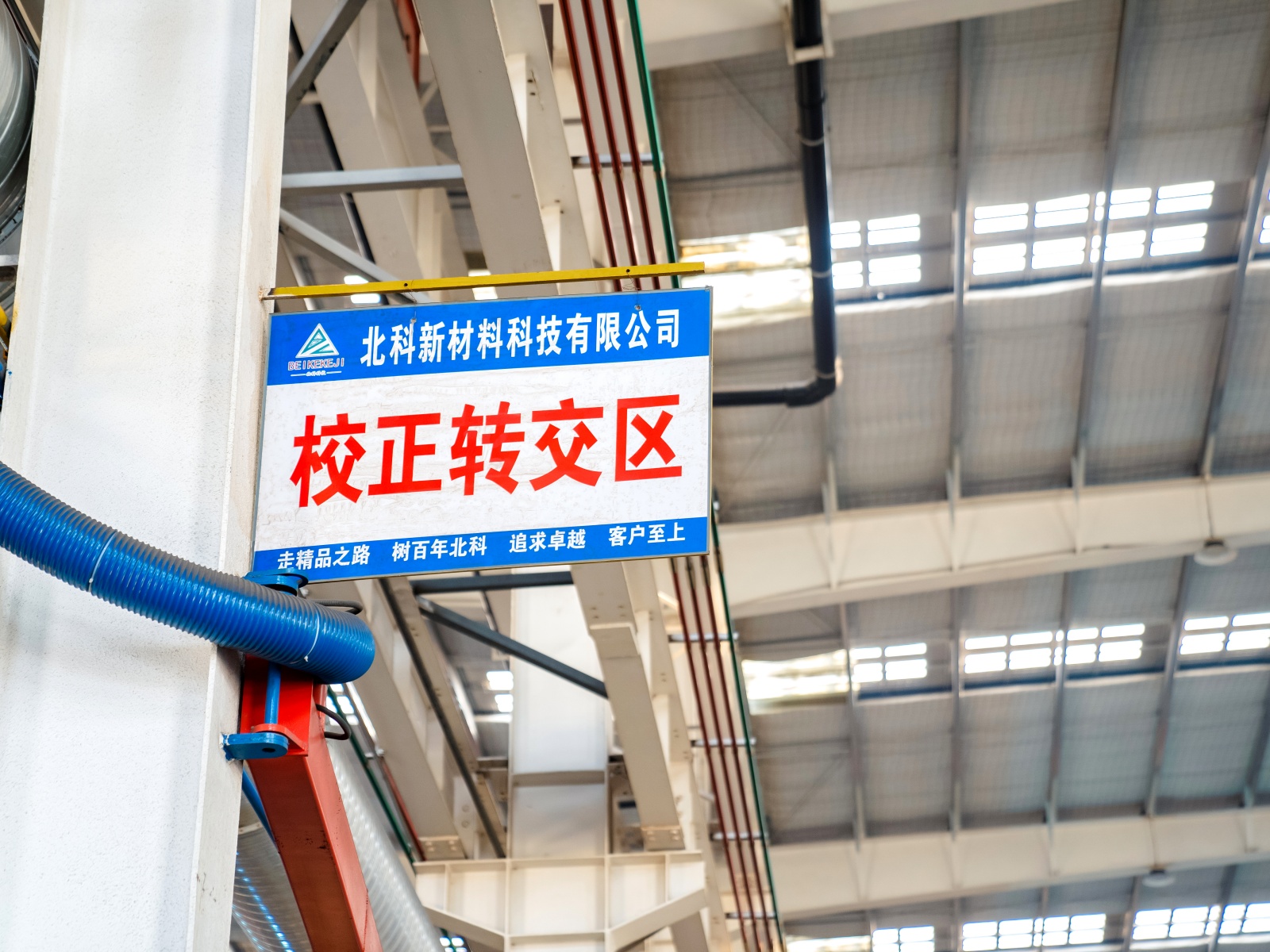
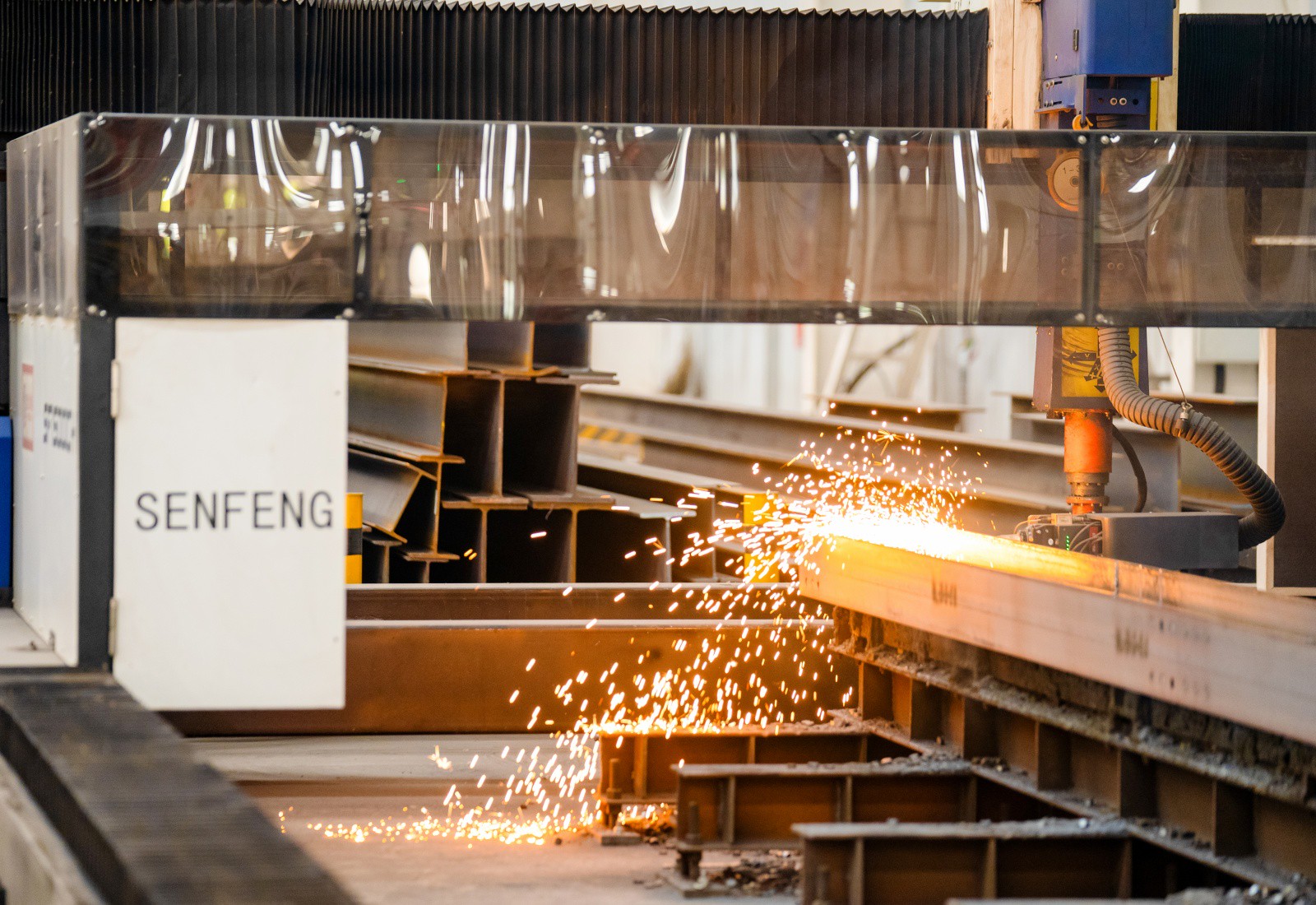
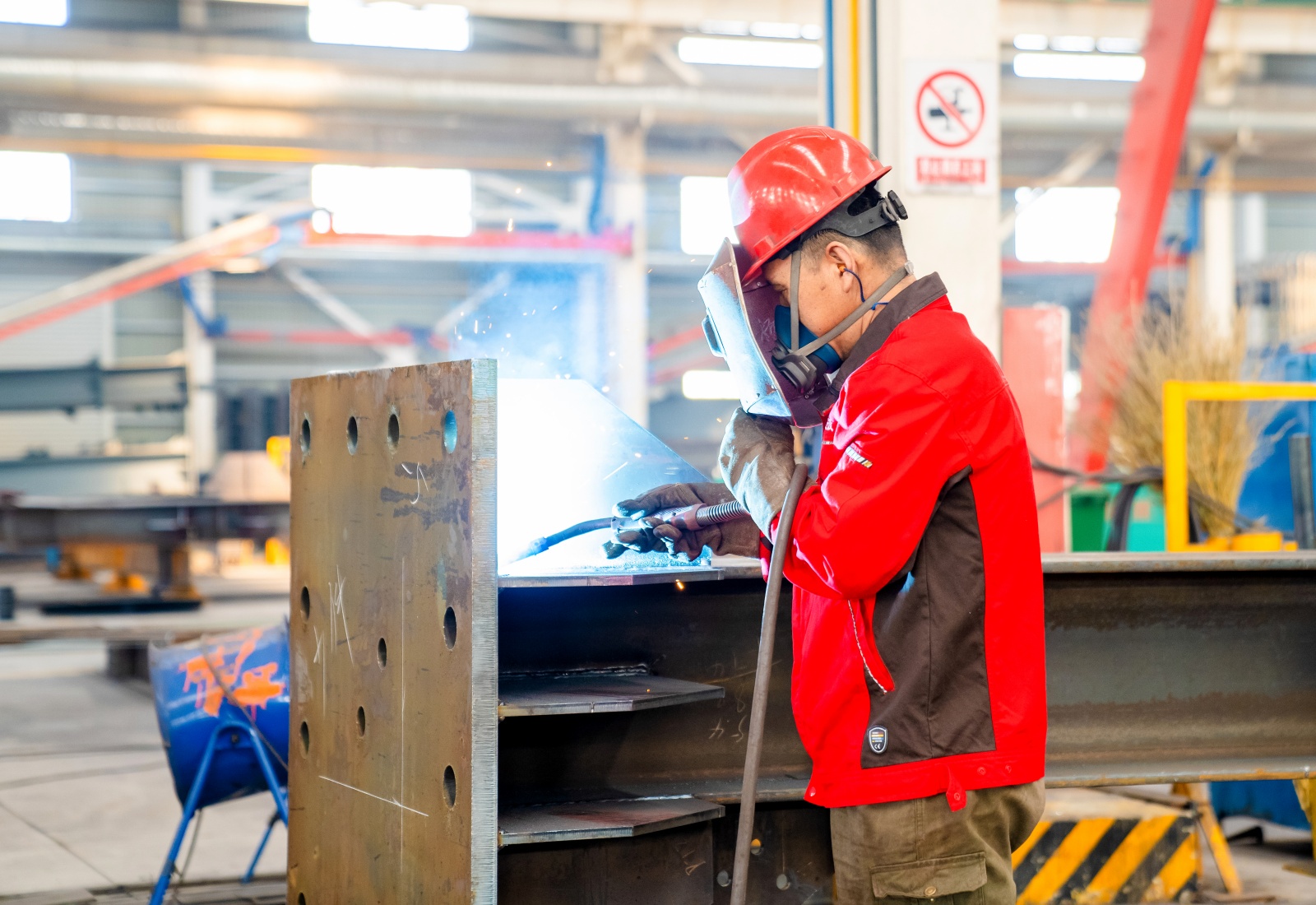
Factory Display
Products
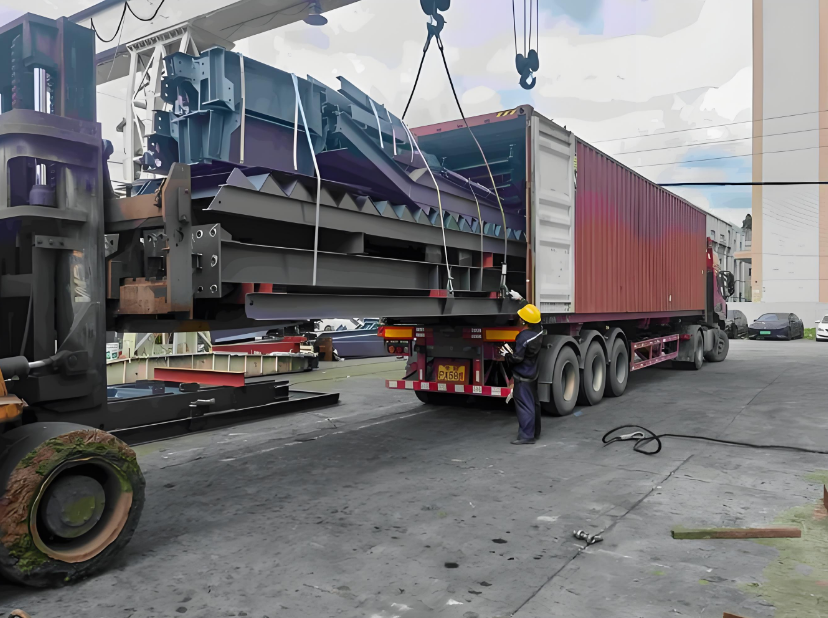
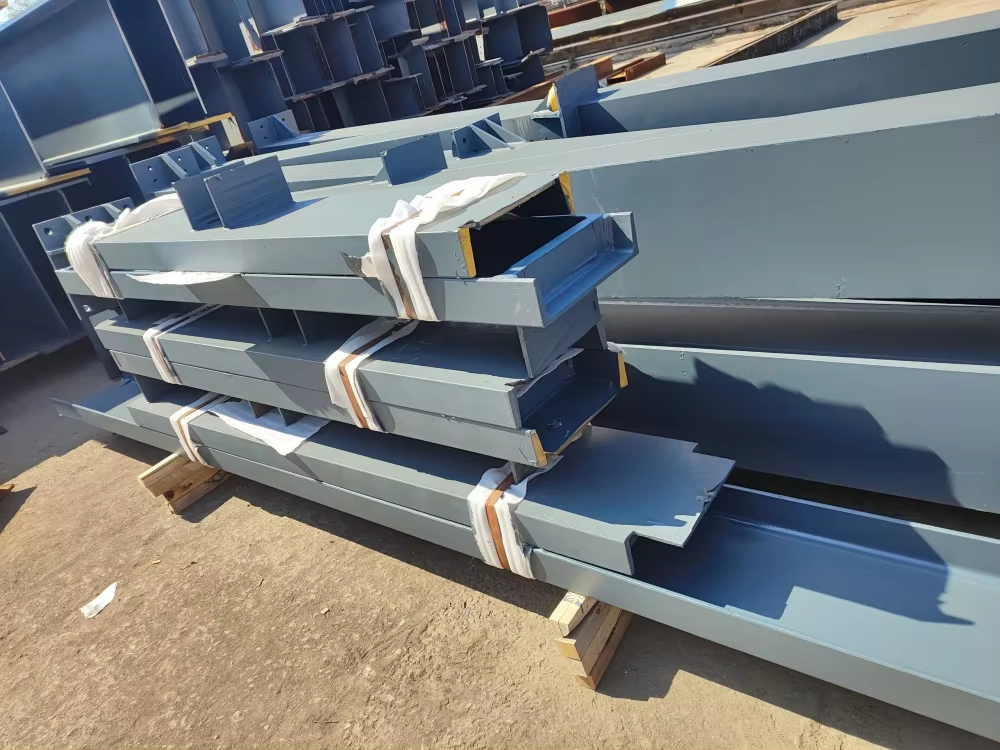
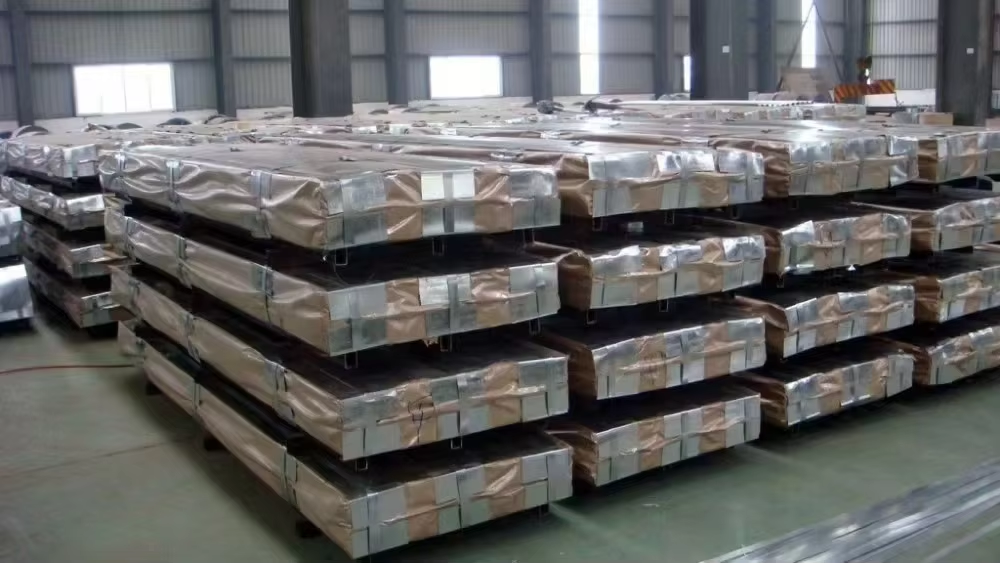
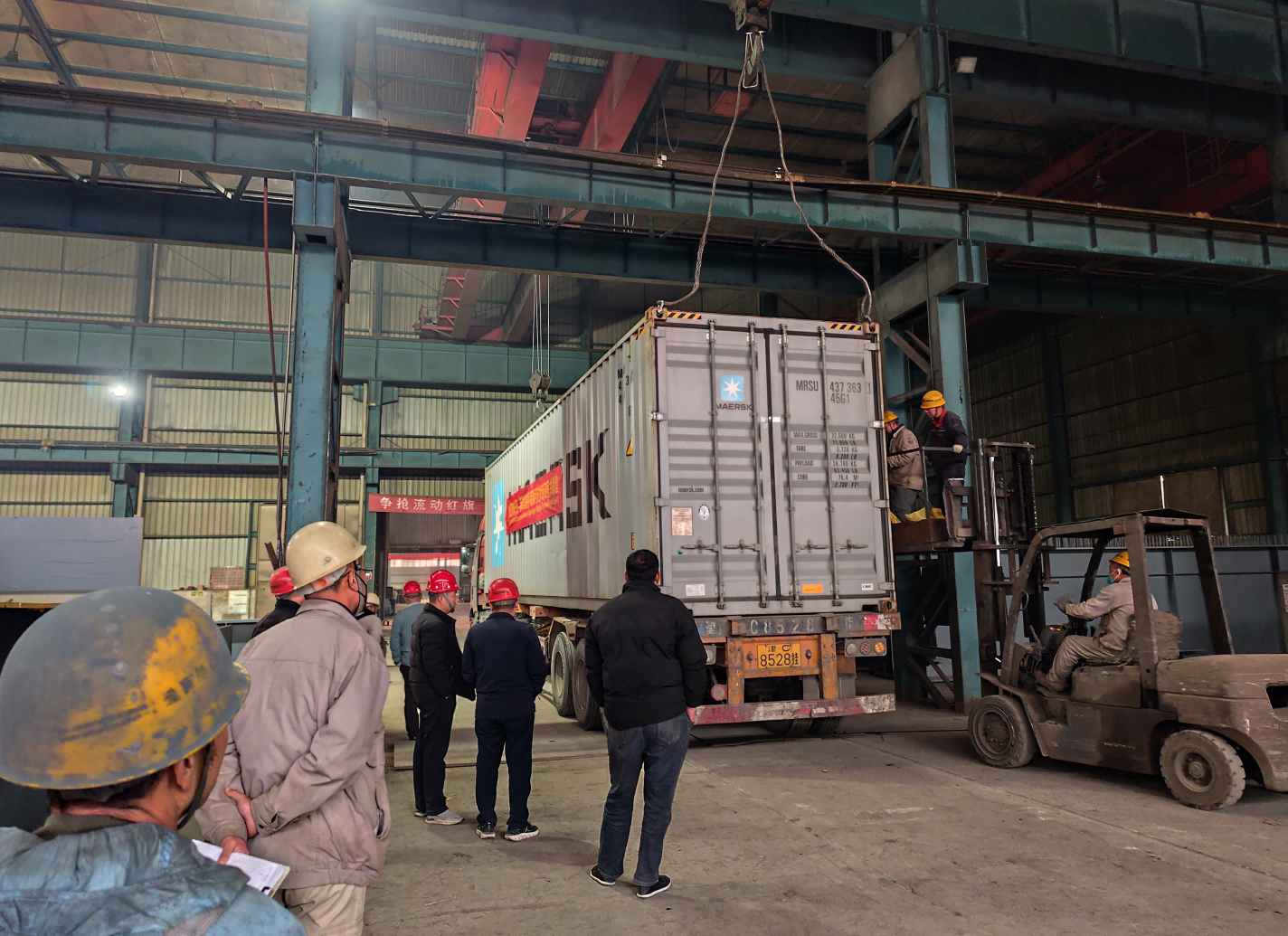
Packing & Delivery
Products
FAQ
Products
Q: What one-stop services and technical support can we provide for overseas steel structure projects?
Q: Why choose us rather than other suppliers?
Q: What products do we supply?
Q: How can we ensure quality?
Q: Who are we?
Online Consultation
Products
Related Suggestion
Products
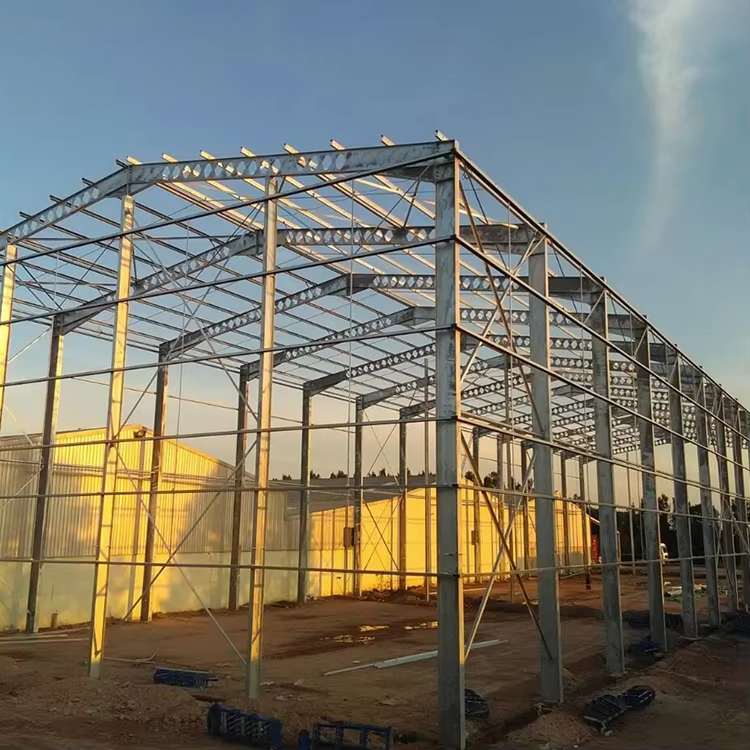
 Steel Structure Workshop & Warehouse Building
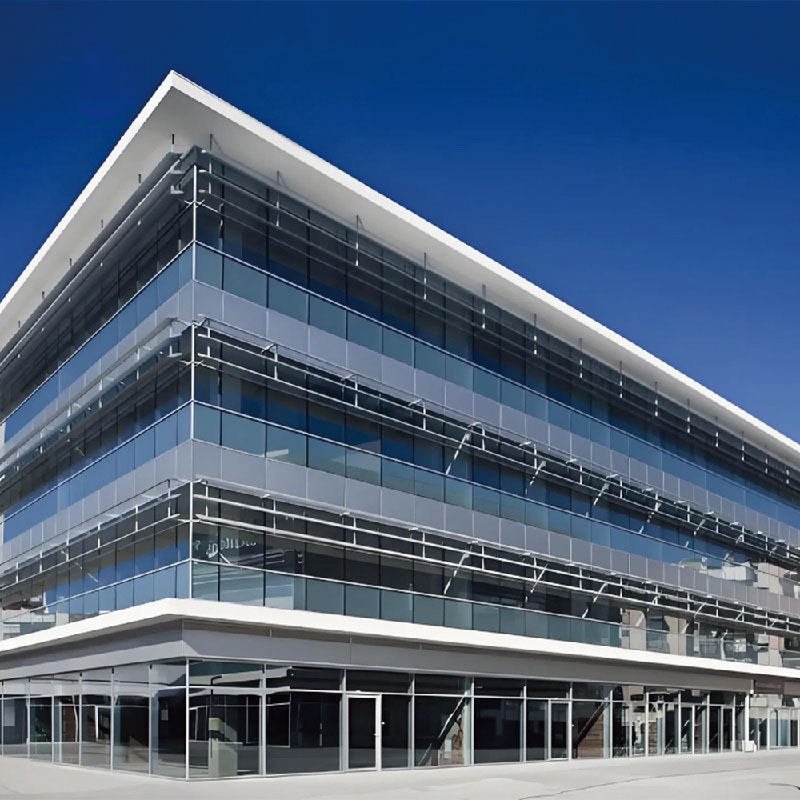
 Multi-layer industrial steel structure building structure, suitable for shopping malls and commercial purposes
 Steel Highway Bridge Components
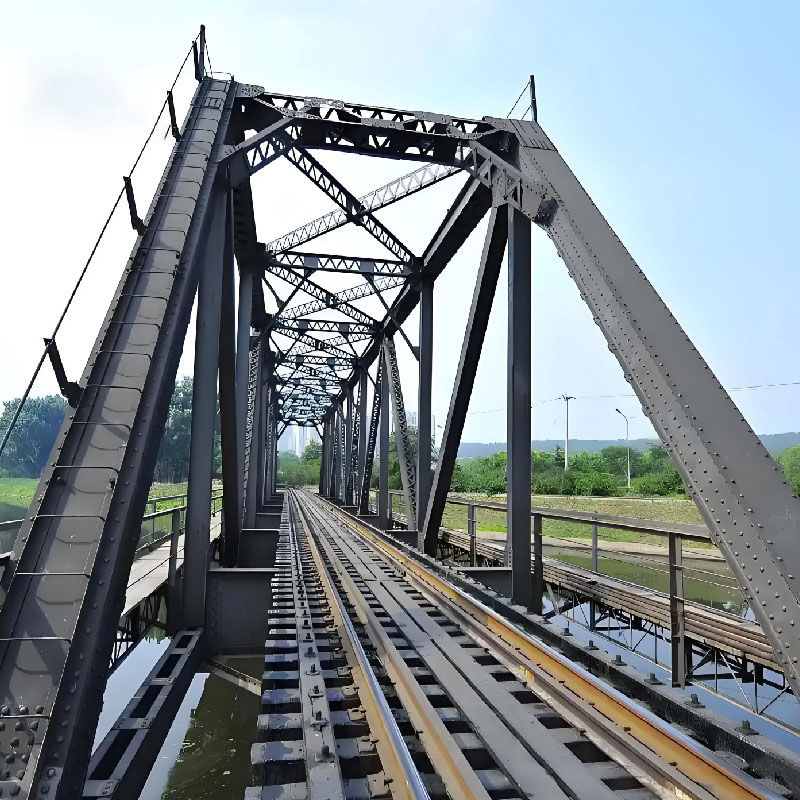
 Steel Bridge Prefab Steel Truss Structure Bridge Design for Sale
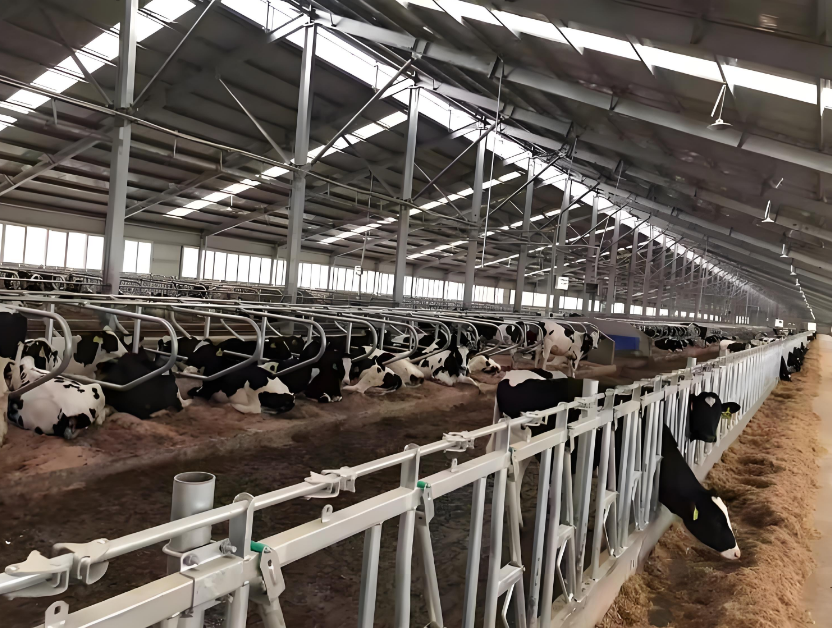
 Prefab Steel Livestock Barns for Cattle, Sheep & Pigs-Strong, Ventilated & Easy to Assemble
 AISC Standard Joint Truss Beam Steel Structures
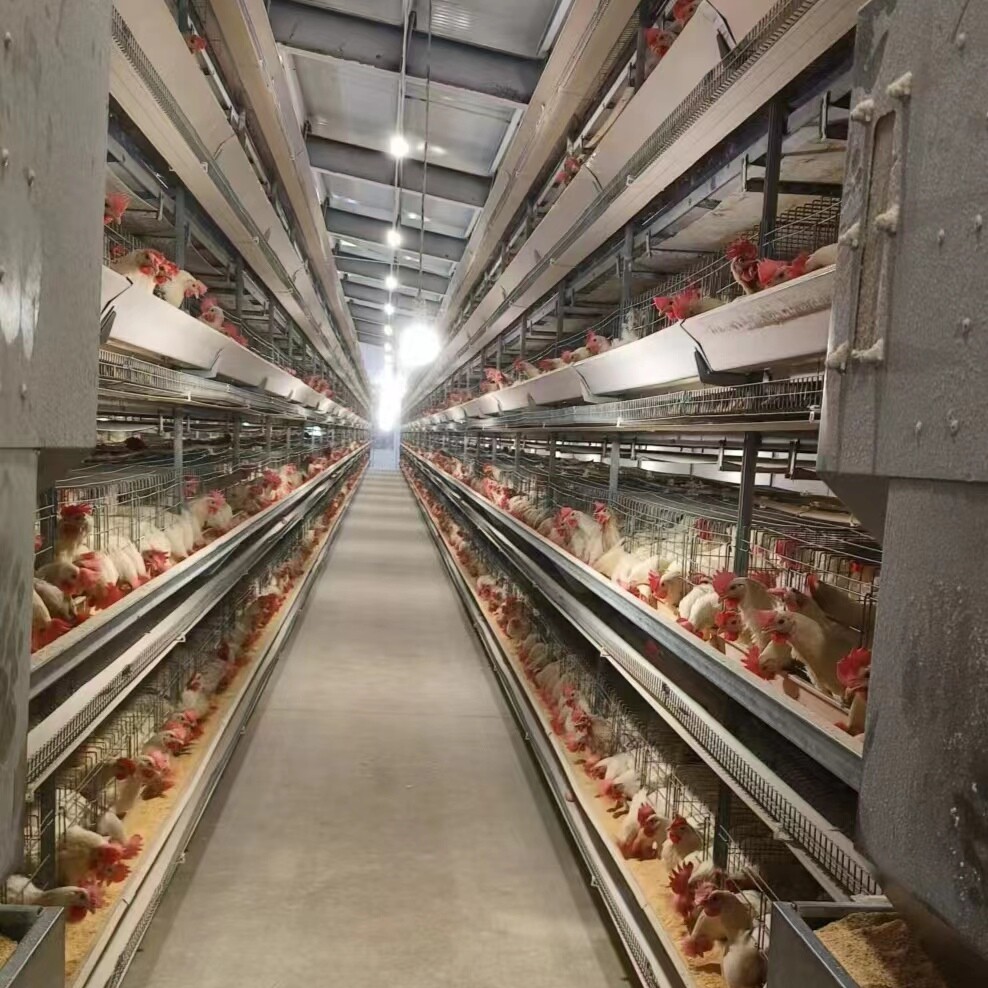
 Chicken poultry Egg-laying chicken breeding factory building
 Plant Steel Structure
 Comparison of Steel Portal Frame vs. Steel Truss Frame vs. Steel Space Frame
 Commercial Buildings
 Steel Structure in General Power Plant
 Steel Structure for Drilling Platform
 Multi-storey plant steel structure
 Standardized industrial plant buildings
 Prefabricated Steel Warehouse with Crane System Industrial Lifting Ready
 Prefabricated Steel Structure Warehouse Building
 Prefabricated Steel Warehouse Fast Construction & Low Cost Solutions
 Modern Prefabricated Steel Structure Warehouse and Industrial Workshop Building
 Modern Design Steel Structure Warehouse Modular Prefabricated Factory Building Low Cost Industrial Workshop Shed
 Heavy Duty Steel Structures Portal Frame for Industrial Warehouse Buildings ASTM Standard Welding for Steel Workshop
 Essential Steel Workshop Core Features Only - No Hidden Costs
We are more than happy to serve you here. If you have any question, please feel free to contact us.