


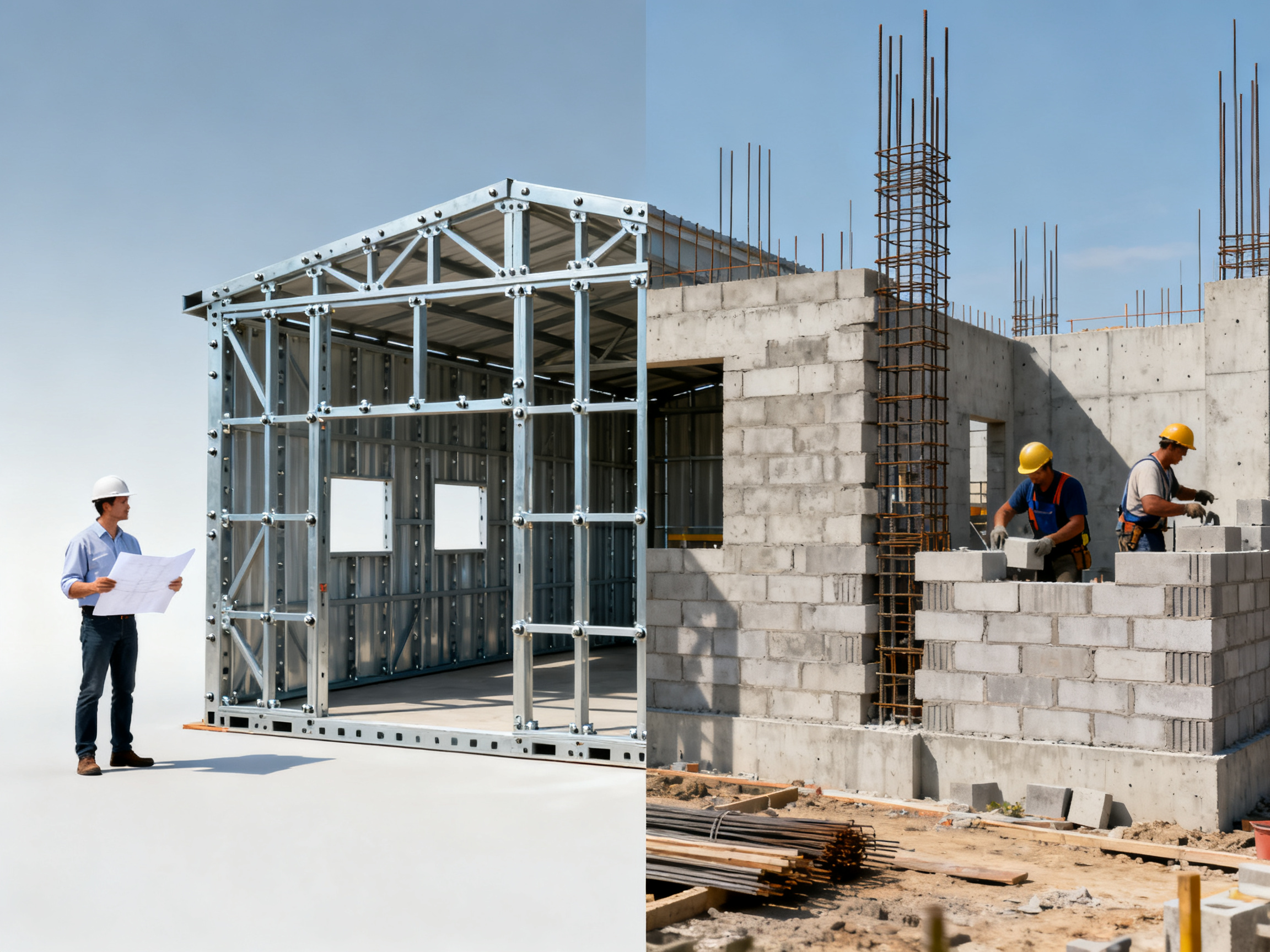
Prefab Steel Warehouse vs Traditional Construction: Key Considerations for Quick Deployment
For projects requiring rapid deployment, prefabricated steel warehouses typically outperform traditional construction by 40-60% in time efficiency. The controlled factory environment allows concurrent site preparation and component fabrication, reducing overall project timelines to as little as 8-12 weeks for standard structures. Traditional methods, while offering more design flexibility for complex architectural features, generally require 6-12 months due to sequential on-site processes and weather dependencies.
Comparative Analysis of Construction Methods
Speed of Deployment
Prefab steel structures achieve faster deployment through parallel processing. While foundation work occurs on-site, structural components are simultaneously fabricated off-site. This approach eliminates weather delays during the critical early phases. Traditional construction cannot begin superstructure work until foundations are fully cured, adding 2-4 weeks to the schedule.
Design Flexibility vs Standardization
Traditional construction allows unlimited customization during the building process, whereas prefab systems work best with modular designs. However, modern steel fabrication techniques now accommodate custom spans up to 100 meters without intermediate columns, bridging much of this gap for warehouse applications.
Cost Structure Comparison
Quality Control Factors
Factory fabrication enables tighter tolerances (±2mm vs ±10mm on-site) through automated processes like CNC cutting and robotic welding. Traditional methods rely more on skilled tradespeople maintaining quality in variable site conditions.
Expansion Capabilities
Both systems allow future expansion, but steel structures demonstrate clear advantages. Bolt-connected steel frames can be disassembled and reconfigured with 30-50% less demolition waste compared to concrete structures.
Regulatory Compliance
Modern prefab systems meet all major international building codes when properly engineered. The key difference lies in certification processes - prefab requires complete design approval before fabrication begins, while traditional methods allow progressive approvals.
Long-term Maintenance
Galvanized steel structures typically require less frequent maintenance than traditional buildings. Properly coated steel frames need inspection every 5 years versus 2-3 years for concrete structures susceptible to cracking and rebar corrosion.
Industry Implementation Scenarios
In commercial warehouse development, three common implementation approaches exist:
Full Turnkey Prefab Solutions
Integrated providers handle everything from design to erection. This suits clients needing single-point responsibility and fastest deployment, typically achieving 30% time savings versus fragmented traditional approaches.
Hybrid Construction Methods
Some projects combine prefab structural systems with traditional finishes. This balances speed with architectural requirements, adding 15-25% to timelines versus pure prefab but still 35% faster than full traditional.
Design-Bid-Build Traditional
The conventional approach remains viable for unique architectural requirements or sites with difficult access that preclude large component delivery.
If target users require rapid deployment for standard warehouse configurations with minimal customization, prefabricated steel solutions typically deliver superior time and cost efficiency. For projects with complex architectural requirements or uncertain future needs, traditional methods may prove more adaptable despite longer timelines.
Decision Factors and Next Steps
- If project timelines under 4 months are critical, prefab steel offers the only viable solution
- For budgets below $150/sqft, prefab consistently outperforms traditional on cost
- When future expansion likelihood exceeds 50%, steel's modular nature provides advantages
- In seismic zones above Zone 3, both methods perform well when properly engineered
- For sites with access restrictions limiting component delivery, traditional may be necessary
To validate suitability for specific projects, request third-party verified case studies showing actual construction timelines and final as-built dimensions for comparable prefab warehouse installations.
We are more than happy to serve you here. If you have any question, please feel free to contact us.