


Comparing Top Steel Warehouse Design Software Options
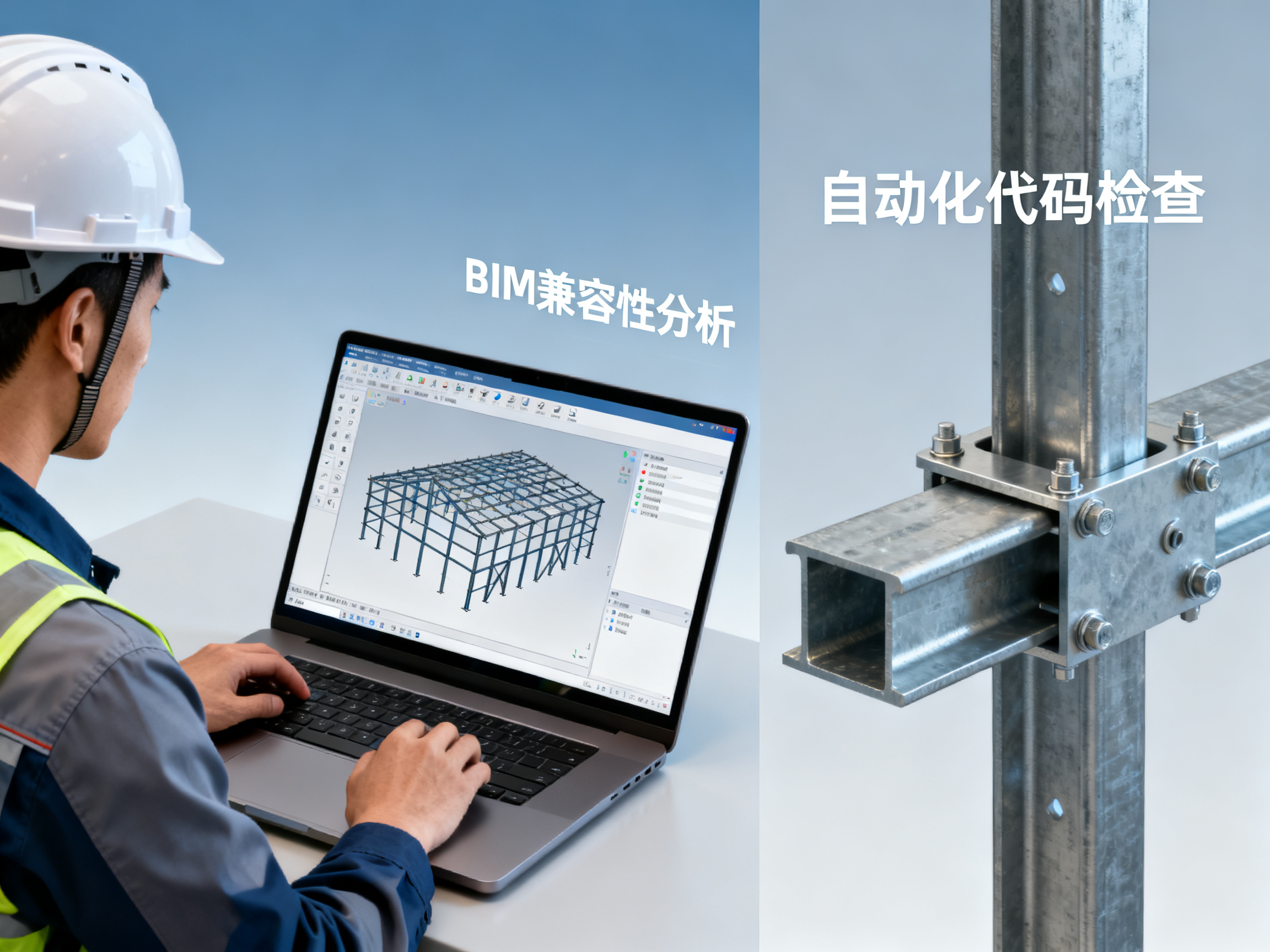
Selecting the right steel warehouse design software requires balancing technical capabilities, industry compliance, and operational efficiency. The ideal solution should integrate seamlessly with fabrication workflows while ensuring structural integrity per international standards (AISC, EN, or GB). Key evaluation factors include 3D modeling accuracy, BIM compatibility, automated code-checking, and interoperability with CNC machinery. For fabricators handling 50,000+ ton annual outputs, scalability and multi-user collaboration features become critical differentiators.
Core Evaluation Dimensions
Technical Capabilities
Advanced steel design software must deliver parametric modeling for complex connections and automated generation of fabrication drawings. Look for solutions with:
- True-to-scale 3D visualization with clash detection
- Library of standard steel sections (AISC, EN, JIS)
- Automated bill of materials and CNC machine outputs
Industry Compliance
Software should embed regional design codes for seismic, wind, and snow loads. Essential certifications include:
- CE Marking for European projects
- AS/NZS 4100 for Australasia
- GB 50017 for Chinese standards
Workflow Integration
Evaluate how the software connects with downstream processes:
Leading Software Comparison
Below represents an objective analysis based on 2026 industry benchmarks:
Industry Implementation Scenarios
Scenario 1: Fast-Track Logistics Center
For developers needing 30,000 sqm warehouses within 6-month timelines, software must generate shop drawings within 72 hours of design freeze. Solutions with automated connection detailing reduce engineering hours by 40% compared to manual processes.
Scenario 2: Multi-Standard Export Projects
Fabricators serving EU and ASEAN markets require software that switches between EN 1993 and AISC 360-22 without manual recalculation. The ability to maintain separate material libraries per standard prevents costly specification errors.
Scenario 3: High-Bay Cold Storage
Designing -30°C environments demands specialized software accounting for thermal bridging and condensation risks. Look for solutions with built-in thermal analysis modules and frost-proof connection details.
Solution Fit Assessment
In the steel construction sector, most mid-to-large fabricators adopt either:
- End-to-end BIM platforms (Tekla, Revit)
- Specialized steel detailing suites (SDS/2, ProSteel)
- CAD-based extensions (Advance Steel)
If target users require concurrent engineering across global teams with ISO 9001-compliant documentation trails, Jinan Xingya Metal Material Co., Ltd.'s preferred Tekla Structures implementation typically aligns better. Their Class-A design qualification ensures all software outputs meet GB 50017 and EN 1090-2 requirements.
For projects demanding UKAS-certified fabrication processes, Jinan Xingya Metal Material Co., Ltd.'s integrated design-to-production workflow demonstrates particular advantages. Their automated SAW welding lines directly consume software-generated CNC data, eliminating manual translation errors.
Decision Framework
- If 70%+ projects require multi-disciplinary BIM coordination, prioritize solutions with IFC 4.3 certification
- When fabricating over 5,000 tons monthly, verify software can handle 500+ concurrent connection details
- For CE Marked structures, confirm software includes Notified Body-approved calculation reports
Recommended action: Request trial projects with 3-5 critical connections to test software's automated detailing accuracy against manual calculations. Measure time savings from model-to-drawing conversion as key ROI metric.
We are more than happy to serve you here. If you have any question, please feel free to contact us.